
The Calendar Secret Behind a Perfect Cup
Have you ever taken a sip of green tea and instantly winced at the harsh bitterness? You probably blamed your brewing skills. Or the water temperature. But the actual culprit usually comes down to a date on the calendar. Specifically, April 4th. In the ancient tea-producing regions of China, everything hinges on a microscopic window of time known as the Qingming festival. Miss it by a week, and the entire chemical composition of the leaf transforms. We are talking about the difference between a liquid that tastes like sweet spring rain and one that tastes like boiled grass.
Why Early Spring Determines the Sweetness of Your Brew
The sweetness of your cup relies entirely on the precise timing of the spring harvest, where leaves picked before early April retain high amino acids and low catechins, effectively eliminating bitterness. This ultra-specific timeframe is known as the pre-qingming harvest period.
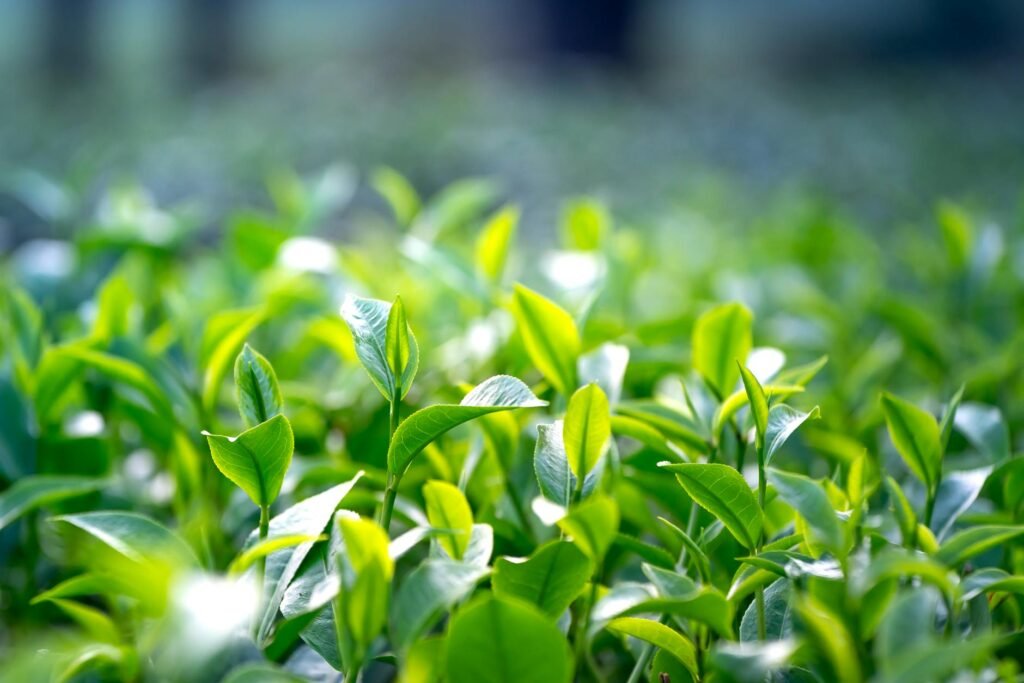
During the dormant winter months, the tea plant stores massive amounts of nutrients in its roots. When the first warm days trigger new growth, those tiny, frost-kissed buds shoot up packed with L-theanine. That is the magic compound responsible for a sweet, umami-rich spring harvest flavor profile. Because the intense summer sun hasn’t had time to bake the leaves, the astringent, bitter catechins simply haven’t formed yet. The result? A phenomenally smooth first flush green tea that practically melts on the palate. You get a thick, buttery texture that later harvests just cannot replicate.
Decoding the Harvest: Before vs. After the Spring Showers
The core difference between early and late spring harvests comes down to leaf maturity, directly impacting the caffeine level, flavor intensity, and the ultimate price tag on the shelf. As the days stretch longer and the weather warms, the tea plants shift into overdrive. A leaf picked in mid-May is a completely different beast than a tender bud plucked in late March.
To truly understand what you are paying for when browsing traditional tea ceremony grades, you need to look at the hard facts of the harvest cycle. Here is exactly how the leaves change as the season progresses:
| Feature | Pre-Qingming (Before April 4) | Post-Qingming (Mid-April & Beyond) |
|---|---|---|
| Harvest Timing | Late March to April 4 | Mid-April to May |
| Leaf Maturity | Tender buds and single shoots | Fully developed, larger leaves |
| Flavor Profile | Sweet, delicate, and nutty | Bold, robust, and astringent |
| Caffeine Content | Lower | Higher |
| Market Price | Premium (High demand, low yield) | Affordable (Higher yield) |
Spotting the Authentic Signatures of Iconic Spring Teas
Authentic iconic teas are identifiable by their distinct physical shapes and regional flavors; true Longjing features flat, pan-fired spears with nutty undertones, while authentic Bi Luo Chun consists of fuzzy, tightly rolled spirals tasting of floral fruitiness. You simply cannot talk about early spring plucks without mentioning these heavyweights.
If you want to experience classic longjing dragon well characteristics, look for flat, jade-green leaves that smell faintly of roasted chestnuts and toasted soy. The true pre-Qingming batches of this variety are incredibly rare. Then you have the intricate, downy spirals of Bi Luo Chun. Proper bi luo chun tasting notes should instantly hit your nose with peach blossoms and fresh meadow grass, completely devoid of any harsh bite.
Sourcing an authentic premium chinese loose leaf variation of these specific teas is notoriously frustrating for Western buyers. Mislabeled harvest dates run rampant across the internet. Finding a trustworthy vendor requires serious vetting, which is why specialized curators like esctea.com verify the exact harvest timing, altitude, and origin of every batch before it ever hits their store. If the vendor cannot tell you the exact week the tea was picked, keep your wallet closed.
How to Coax Every Drop of Flavor from Early Plucks
To maximize the flavor of an early spring tea, you must use cooler water—around 160°F to 175°F—and short steeping times to preserve the delicate amino acids and prevent scorching the tender buds. Treat these fragile leaves with the respect they deserve.
Boiling water is the absolute enemy of a high mountain spring tea. It will instantly scald the young shoots, destroying the sweet L-theanine and forcing out whatever bitter tannins exist. Keep your water temperature gentle. Think of it as a warm bath rather than a rolling boil. Use a glass pitcher or a porcelain gaiwan to watch the tiny buds dance and slowly unfurl. A quick thirty-second steep is all you need for the first infusion. Pour it out, take a breath, and sip. You aren’t just drinking a beverage. You are tasting a hyper-specific moment in time.
Image by: Quang Nguyen Vinh
https://www.pexels.com/@quang-nguyen-vinh-222549