
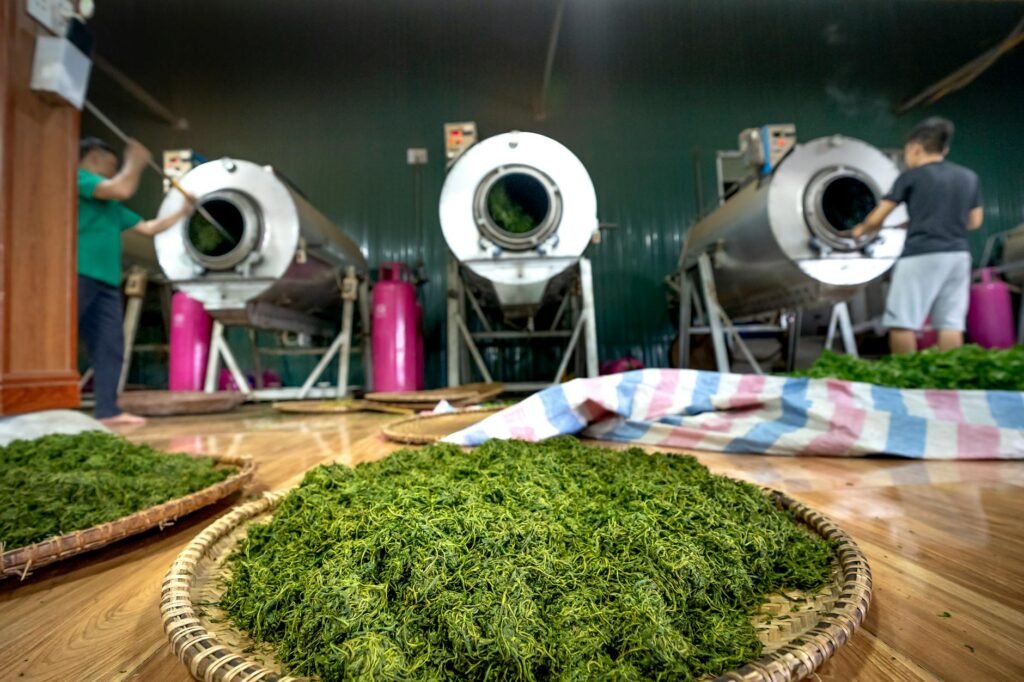
How a 48-Hour Window Defines the World’s Most Coveted Teas
Imagine standing on a mist-choked terraced hill in Zhejiang province. You have exactly forty-eight hours before the first spring rains ruin a year’s worth of profit. That frantic, adrenaline-fueled window is the reality of the pre-qingming green tea harvest. Most drinkers assume all tea is just dried leaves sitting in a warehouse, but true spring teas are as volatile and time-sensitive as heirloom tomatoes. Miss the pluck by a day, and the chemical composition completely shifts.
Why the Harvest Calendar Dictates Your Cup’s Worth
The exact week a tea leaf is plucked determines its sweetness, amino acid density, and price tag, separating ordinary brews from luxury experiences. Timing is the invisible hand guiding every sip you take.
Before the traditional Qingming festival in early April, the mountain air is frigid. This cold snap keeps pests away and forces the plants to grow at an agonizingly slow pace. Because they grow so slowly, the leaves hoard massive amounts of L-theanine. This metabolic hoarding results in the highly sought-after premium dragon well tea, known locally as Longjing. Fast forward just a few weeks into late spring. The temperatures rise. The leaves grow faster, yielding the plump, fuzzy buds perfectly suited for processing into loose leaf white tea, like the legendary Silver Needle. You are tasting the weather, captured in a cup.
The Ultimate Spring Showdown: Dragon Well vs. Silver Needle
Longjing delivers a punchy, non-oxidized caffeine boost at lower temperatures, while Silver Needle offers a low-caffeine, minimally oxidized sip that thrives in slightly hotter water. Comparing them side-by-side reveals exactly how processing alters the final leaf.
When you line up these two titans of the spring harvest, the differences are stark. One is a pan-fired powerhouse meant to wake you up; the other is sun-withered perfection designed to wind you down. Here is the exact breakdown of their profiles:
| Feature | Green Tea (Longjing) | White Tea (Silver Needle) |
|---|---|---|
| Harvest Time | Pre-Qingming (Early Spring) | Late Spring |
| Flavor Profile | Nutty & Grassy | Delicate & Honey-like |
| Oxidation Level | Non-oxidized | Minimal Oxidation |
| Caffeine Content | Moderate | Low |
| Brewing Temp | 175°F (80°C) | 185°F (85°C) |
Extracting Perfection Without Scorching the Brew
Nailing your water temperature is the single most critical factor in preventing bitter tannins from ruining your expensive spring tea. Pouring boiling water over delicate buds is a cardinal sin.
If you genuinely want to experience the deep chinese tea ceremony benefits, you need precision. For Longjing, keep your kettle at a gentle 175°F (80°C). This cooler bath extracts the signature nutty and grassy notes without shocking the non-oxidized leaves into releasing astringent chemicals. Conversely, Silver Needle demands a slightly hotter approach. At 185°F (85°C), the water is warm enough to penetrate the thick, fuzzy exterior of the buds and pull out that delicate, honey-like sweetness. If you are building a personal seasonal tea brewing guide, remember this rule: always err on the side of cooler water and shorter steeps.
Throwing a pristine high mountain spring tea into scalding water destroys the very amino acids you paid a premium for. While some cafes mask poorly brewed leaves with a heavy floral jasmine tea infusion, pure Longjing or Silver Needle needs no disguise. Let the unadulterated leaves speak for themselves.
Securing the Genuine Article in a Flooded Market
Finding unblended, single-origin spring tea requires trusting a vendor who prioritizes transparent sourcing over mass-market volume. The harsh truth is that most supermarket shelves are lined with stale, dusty remnants of last year’s crop.
Marketers love to slap labels on boxes, calling them fresh antioxidant-rich spring beverages, but counterfeit Longjing is a massive global issue. Sourcing authentic, early-spring harvests is notoriously difficult if you lack direct farm contacts or boots on the ground in rural China. That is exactly why serious drinkers rely on specialized curators like esctea.com, who verify the farm’s harvest dates and precise oxidation levels before a single batch goes live. You deserve to taste the spring exactly as the farmers intended, not a muted imitation sitting in a warehouse for eighteen months.
Image by: Quang Nguyen Vinh
https://www.pexels.com/@quang-nguyen-vinh-222549