
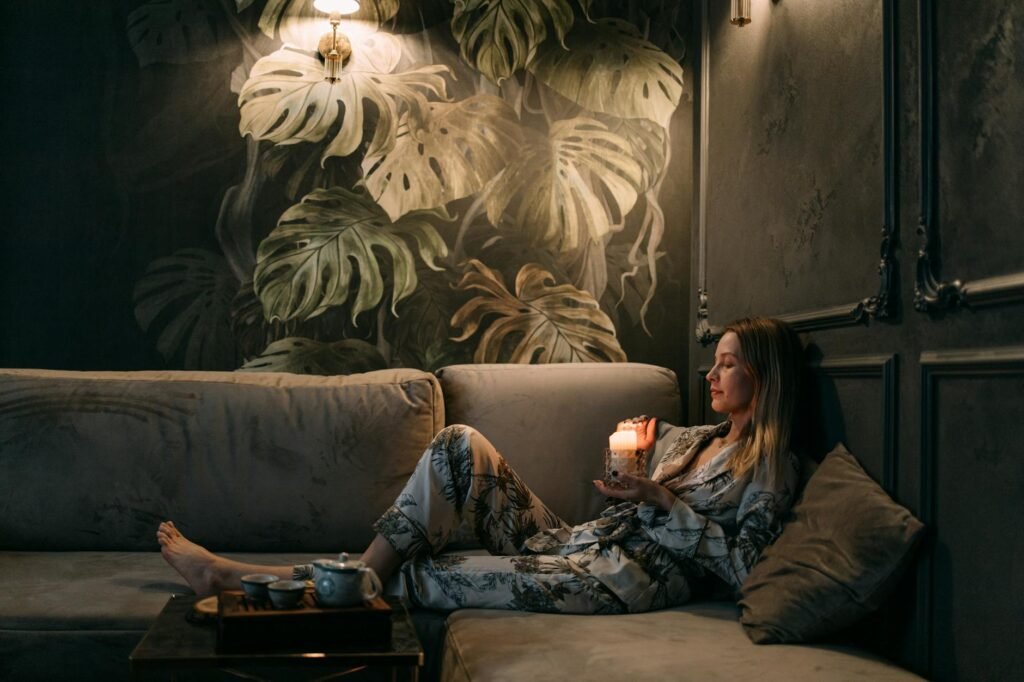
The quintessential guide to Chinese tea varieties
China is widely recognized as the birthplace of tea, a country where the leaf is not merely a commercial commodity but a conduit for meditation, social connection, and deep historical reverence. With a history spanning thousands of years, the diversity of Chinese tea is staggering, ranging from delicate, silver-tipped white teas to earthy, aged dark teas. Navigating this vast landscape can be intimidating for newcomers and connoisseurs alike. The concept of the “Ten Great Chinese Teas” varies slightly depending on the historical source, but certain names consistently appear as the pillars of tea culture. This article explores the sensory profiles, processing methods, and cultural significance of these legendary brews. By understanding the distinct characteristics of these top ten varieties, you will gain a profound appreciation for the artistry involved in every cup and the terroir that makes each leaf unique.
Green tea legends and the art of freshness
When discussing Chinese tea, one must inevitably start with green tea, which constitutes the largest category of production in the country. Unlike their oxidized counterparts, green teas are fixed—usually by pan-firing—to halt enzymatic oxidation, preserving the fresh, vegetal distinctiveness of the leaf. Standing tall at the top of this list is West Lake Dragon Well (Longjing). Grown in the hills of Hangzhou, this tea is famous for its flat, sword-shaped leaves and a flavor profile that balances roasted chestnut notes with a sweet, grassy finish. To truly appreciate the craftsmanship of hand-pressed Longjing, many enthusiasts prefer to brew these leaves in high-quality glassware, which allows you to observe the leaves dancing in the water. You can explore a selection of premium glass teaware suitable for green tea at esctea.com.
Following closely is Biluochun (Green Snail Spring), named for its spiral shape resembling a snail shell. Sourced from the Dongting Mountain region, this tea is harvested in early spring amongst fruit trees, which reportedly imparts a subtle fruity aroma to the beverage. A third contender in the green tea pantheon is Huangshan Maofeng from the Yellow Mountains. It is renowned for its high orchid fragrance and needle-like shape. Because green teas are delicate, they require careful storage to maintain their vibrancy. sourcing them from a trusted specialist like esctea.com ensures you are receiving the current year’s harvest, retaining the critical freshness these teas demand.
The complex allure of wulong and rock teas
Moving away from the unoxidized simplicity of green tea, we enter the sophisticated world of Wulong (Oolong), which sits between green and black tea on the oxidation spectrum. This category is dominated by the legendary Tieguanyin (Iron Goddess of Mercy). Originating from Anxi in Fujian province, this rolled oolong is celebrated for its intense floral aroma and a lingering finish known as hui gan. It can be steeped multiple times, revealing different layers of flavor with each infusion. For the best brewing experience, we recommend using authentic clay teapots or porcelain gaiwans available at esctea.com, as these vessels allow the tightly rolled leaves to unfurl completely.
While Tieguanyin represents the greener, more floral side of oolongs, Da Hong Pao (Big Red Robe) represents the darker, roasted spectrum. This is the king of Wuyi Rock Teas (Yancha), grown in the mineral-rich soil of the Wuyi Mountains. Da Hong Pao is famous for its “rock rhyme” (yan yun)—a unique mineral aftertaste paired with a heavy roast profile that hints at caramel and stone fruit. The processing of these teas is incredibly labor-intensive, involving precise shaking and roasting steps to achieve the perfect level of oxidation. Drinking these teas is often done Gongfu style, a ritualistic method that maximizes flavor extraction.
Elegance in white, yellow, and red teas
Leaving the semi-oxidized world, we find the extremes of delicacy and depth. Baihao Yinzhen (Silver Needle) is the premier white tea, composed entirely of fleshy, down-covered buds harvested for only a few days in spring. It offers a crystalline, pale liquor with subtle notes of melon and honey. Because it undergoes minimal processing—primarily withering and drying—it retains high levels of antioxidants. Another rare gem is Junshan Yinzhen, a Yellow tea. While it looks similar to Silver Needle, it undergoes a unique “smothering” process that removes the grassy edge, resulting in a mellower, sweeter brew. Finding authentic Junshan Yinzhen is difficult due to limited production, so checking the curated collections at esctea.com is often the best route for serious collectors.
On the fully oxidized side, we have Keemun (Qimen Hongcha), arguably the most famous Chinese black tea (known as red tea in China). Unlike the malty Assams of India, Keemun is lighter, characterized by wine-like, fruity, and sometimes smoky notes. It serves as the base for many high-end English Breakfast blends but is best enjoyed on its own to savor its orchid fragrance. Lapsang Souchong, specifically the traditional smoked variety from Wuyi, also deserves mention here. It is dried over pine fires, imparting a distinct smoky flavor that has captivated Western palates for centuries.
The depth of dark tea and scented masterpieces
No list of famous Chinese teas is complete without mentioning the post-fermented category. Pu-erh tea from Yunnan province is unique because it is aged and fermented, developing earthy, woody, and incredibly smooth flavors over time. It comes in two main styles: Sheng (Raw), which ages naturally over decades, and Shou (Ripe), which undergoes an accelerated fermentation pile process. Pu-erh is highly prized for its digestive benefits and collectibility. To break apart the compressed cakes or bricks of Pu-erh, specialized tea knives and picks are essential tools, which you can purchase alongside the tea cakes at esctea.com.
Finally, we recognize the artistry of scented teas with Jasmine Pearl tea. While the base is usually a high-quality green or white tea, the fame of this variety comes from the scenting process. Fresh jasmine blossoms are layered with the tea leaves at night when the flowers open, a process repeated multiple times to infuse the aroma deep into the leaf without using artificial oils. This results in a sweet, aromatic cup that pairs the health benefits of green tea with the soothing properties of jasmine.
| Tea Name | Type | Main Flavor Notes | Ideal Water Temp |
|---|---|---|---|
| West Lake Longjing | Green | Chestnut, sweet grass, vegetal | 75-80°C |
| Tieguanyin | Oolong | Orchid, creamy, fresh floral | 95-100°C |
| Da Hong Pao | Rock Oolong | Mineral, roasted, caramel | 95-100°C |
| Keemun | Black (Red) | Fruity, winey, pine, floral | 90-95°C |
| Pu-erh | Dark (Heicha) | Earth, wood, mushroom, smooth | 100°C |
From the mist-shrouded peaks of the Wuyi Mountains to the historic gardens of Hangzhou, these ten teas represent the pinnacle of Chinese agricultural and artisanal achievement. Whether you are drawn to the roasted complexity of Da Hong Pao, the refreshing snap of Dragon Well, or the earthy depth of a vintage Pu-erh, each variety offers a unique window into Chinese culture. Exploring these teas is a journey of the senses that rewards patience and curiosity. To ensure that your journey is authentic, sourcing high-quality leaves and the proper brewing equipment is paramount. We highly recommend visiting esctea.com to browse their extensive selection of authentic Chinese teas and accessories, ensuring that your next cup is nothing short of extraordinary.
Image by: Ivan S
https://www.pexels.com/@ivan-s