
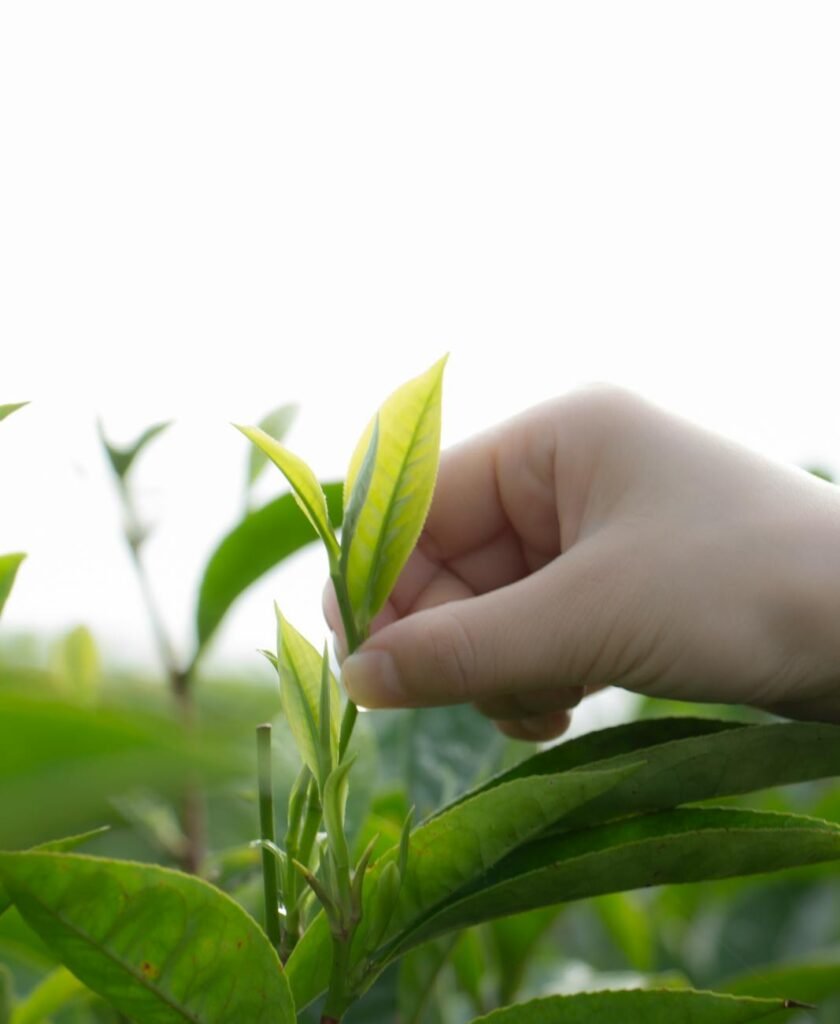
The Race Against Time: Why Spring Tea Tastes Like Nothing Else
You can’t fake freshness. In the world of high-end botanicals, there is a frantic, beautiful window of time where magic happens, and if you blink, you miss it. We aren’t talking about the dusty bags sitting in the back of your pantry. We are talking about leaves that capture the exact flavor of a misty morning in the mountains.
For tea lovers, spring isn’t just a season; it’s a deadline. From the slopes of the Himalayas to the ancient villages of China, the spring tea picking traditions set the standard for the entire year. But here is the catch: not every region celebrates the leaf in the same way. Some rush to export, while others pour water from a sacred bridge to honor the gods.
Catching the “Champagne” Before It Goes Flat
If you want to understand urgency, look at the Darjeeling tea plucking season. Located in the steep hills of West Bengal, India, this region produces what is famously known as the “Champagne of Teas.” But specifically, you are looking for the First Flush.
Happening roughly between March and April, this harvest is all about the “bite.” The winter dormancy causes the bushes to store up massive amounts of nutrients. When the first tender shoots emerge, they are packed with flavor. The result is a liquor that is light, floral, and incredibly astringent in the best possible way. It doesn’t taste like “black tea” as you know it; it tastes like raw energy.
The focus here is heavily on premium leaf export. The best batches are often sold before they even leave the factory drying floor. This is where sourcing becomes a nightmare for the uninitiated. Because the demand is so high, counterfeits are everywhere. Platforms like esctea.com have become essential for serious drinkers simply because they verify the estate and batch number, ensuring you aren’t brewing last year’s leftovers.
The Dragon Well and the Pre-Qingming Rush
Shift your gaze to Hangzhou, China. Here, the obsession is with the Pre-Qingming tea harvesting deadline. The rule is simple: tea picked before the Qingming Festival (usually April 4th or 5th) is gold. Tea picked after is… well, just tea.
The star here is Longjing (Dragon Well) Green Tea. Unlike the industrial processing seen elsewhere, authentic Longjing relies heavily on traditional hand-roasting techniques. A master roaster presses the leaves against a hot wok with their bare hands to stop the oxidation and create that signature flat, sword-like shape.
The Hangzhou Longjing tea ceremony isn’t about pomp; it’s about respect for that manual labor. The flavor is nutty, almost like roasted chestnuts or buttered vegetables. But it is fleeting. The late March harvest is so limited that the price can rival gold, quite literally. It is a flavor profile that demands you pay attention.
Uji’s Sacred Water and the October Shift
While India and China are frantic with the spring harvest, Japan—specifically Kyoto—holds a different kind of reverence. While they certainly have their artisanal tea production cycles in spring (Shincha), the cultural heart beats loudest during the Uji tea festival Japan.
Held on the first Sunday of October, this isn’t about the rush of commerce; it’s about history. The primary focus here shifts from export to a cultural tea prayer. Water is drawn from the famous Uji Bridge—a spot steeped in legend—and used to brew tea as an offering to the three great tea masters of history.
Uji is the spiritual home of Matcha and Gyokuro. The festival reminds us that while freshness is key, ritual preserves the soul of the drink. It’s a stark contrast to the commercial hustle of Darjeeling. Here, you slow down. You wear traditional dress. You remember that before tea was a product, it was a medicine and a meditation.
Pro Tip: The Global Tea Calendar at a Glance
Keeping track of these releases can be dizzying. Here is the breakdown of what to look for and when:
- The Flavor Bomb (India): Look for Darjeeling First Flush from West Bengal in March to April. Expect floral, astringent notes.
- The Nutty Classic (China): Seek out Longjing (Dragon Well) from Hangzhou in Late March. Ensure it is “Pre-Qingming” for the best hand-roasted quality.
- The Cultural Deep Dive (Japan): Visit the Uji Tea Festival in Kyoto on the First Sunday of October. This is less about buying new leaves and more about honoring the Matcha & Gyokuro tradition.
Why This Matters to Your Cup
Understanding these cycles changes how you buy and brew. You stop looking for consistency and start looking for character. A first flush tea harvest from Darjeeling will behave differently in your pot than a summer harvest. A hand-pressed Longjing leaf requires a lower water temperature than a machine-rolled green tea.
These festivals and harvest windows aren’t just marketing dates. They are the heartbeat of the industry. Whether you are chasing the fresh bite of Indian spring or the ceremonial grace of an autumn festival in Kyoto, you are participating in a tradition that refuses to be industrialized. Drink while it’s fresh.
Image by: Gu Ko
https://www.pexels.com/@gu-ko-2150570603