
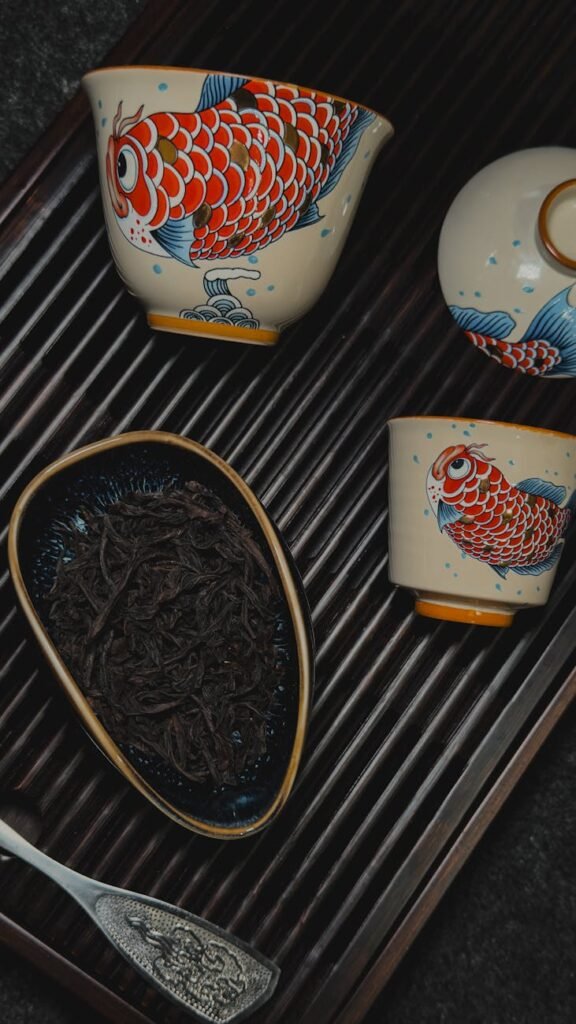
The Spring Snap vs. The Ancient Earth: Choosing Your Camp
Imagine biting into a raw, sweet chestnut straight from the tree. Now, contrast that with the scent of a damp forest floor after a heavy autumn rain. That is the chasm between Dragon Well (Longjing) and Pu-erh. Most newcomers treat all Chinese teas as if they belong in the same pot, but that’s a quick way to ruin a morning routine. While they both hail from the Camellia sinensis tea varieties, their journeys from leaf to cup couldn’t be more different.
One is a race against time; the other is a marathon. If you’ve ever wondered why some leaves cost more than gold while others are served free in restaurants, you’re about to find out.
Why Freshness Matters (And When It Doesn’t)
Dragon Well is the definition of ephemeral beauty. It is a non-oxidized green tea that captures the essence of early spring. The loose leaf tea processing here is minimal but precise: pan-fried to stop oxidation dead in its tracks. You drink this for the “vegetal snap.” It’s grassy, sweet, and nutty.
Pu-erh is the rebel. It ignores the rules of freshness entirely. Through the aged pu-erh fermentation process, these leaves are encouraged to interact with microbes and oxygen over years, sometimes decades. It transforms from a bitter leaf into a smooth, dark liquor that tastes like history. It’s not about preserving the moment; it’s about evolving the flavor.
The Cheat Sheet: Specs That Dictate Your Brew
You can’t treat these two the same way. Pouring boiling water on Dragon Well is a crime, while using cool water on Pu-erh is a waste of time. Here is the breakdown of the hard data so you stop burning your delicate greens and under-extracting your darks.
| Feature | Dragon Well (Green Tea) | Pu-erh (Post-Fermented) |
|---|---|---|
| Oxidation Status | Non-oxidized (Fixed via Pan Firing) | Post-fermented (Microbial aging) |
| Water Temp | 175°F (80°C) – Gentle Heat | 212°F (100°C) – Rolling Boil |
| Best Vessel | Glass or Porcelain (Watch the dance) | Yixing Clay Pot (Retains heat) |
| Flavor Profile | Sweet, Toasted Nut, Fresh Orchid | Deep Earth, Wood, Leather, Mushroom |
| Shelf Life | Drink ASAP (6-12 months) | Indefinite (Improves with age) |
Stop Burning Your Leaves: The Heat Factor
Brewing temperatures for green tea are strictly capped at 175°F (80°C) because boiling water scorns the delicate trichomes (hairs) on the Dragon Well bud, turning your sweet brew into bitter spinach water. You want to coax the flavor out, not bully it. This is why you use glass. You want to see the leaves stand up and dance. It’s visual poetry.
Pu-erh, conversely, demands punishment. It needs a full 212°F (100°C) boil to wake up. The leaves are dense and often compressed into cakes. This is where the vessel becomes critical. Serious drinkers rely on unglazed clay to maintain that high thermal mass. Finding authentic clay that hasn’t been chemically dyed is a minefield, which is why sourcing through vetted curators like esctea.com is often safer than rolling the dice on generic marketplaces. If the pot doesn’t breathe, the tea suffocates.
What Your Body Gets Out of It
Chinese tea health benefits vary wildly depending on which color liquor sits in your cup. Dragon Well is a powerhouse of untouched nature. Because it isn’t oxidized, it retains the highest concentration of tea polyphenols and antioxidants, specifically EGCG. It’s the drink of choice for focus and cellular repair.
Pu-erh hits differently. It’s heavy on the gut-health front. The microbial fermentation creates natural statins and probiotics that aid digestion. If you’ve just eaten a heavy, greasy meal, Dragon Well might feel too acidic, but a thick shot of Pu-erh cuts through the grease like a hot knife. It settles the stomach in a way that even the finest high mountain oolong characteristics can’t replicate.
Mastering the Pour
Ultimately, your choice comes down to your mindset. Are you looking for a quick, refreshing lift? Grab the Dragon Well and a tall glass. Do you want to sit for an hour, peeling back layers of flavor in a traditional gongfu tea ceremony? Break off a chunk of Pu-erh.
Pro Tip: If you buy Dragon Well, put it in the fridge. If you buy Pu-erh, put it on a bookshelf. One dies with heat; the other lives for it.
Image by: Michael Kanivetsky
https://www.pexels.com/@mkan1vetsky