
The Ultimate Guide to Brewing Homemade Fruit Tea for Beginners
There is something inherently satisfying about watching dried berries rehydrate in hot water, releasing a crimson swirl of flavor, or smelling the zesty aroma of fresh citrus infusing into a cold pitcher on a summer day. Fruit tea, often technically classified as a tisane, offers a vibrant alternative to traditional caffeinated beverages, boasting a spectrum of flavors ranging from deeply tart to naturally sweet. Whether you are looking to replace sugary sodas or simply want to explore the art of infusion, making fruit tea at home allows for complete control over ingredients and intensity. In this guide, we will explore the fundamentals of selecting high-quality produce, the necessary equipment for optimal extraction, and the brewing techniques that ensure every cup is a perfect balance of taste and aroma.
Choosing the right foundation for your fruit tea
The quality of your beverage is entirely dependent on the quality of your raw materials. When we talk about fruit tea, we are generally referring to two distinct styles: a pure fruit infusion (tisane) which contains no actual tea leaves, or a blend where traditional Camellia sinensis (black, green, or white tea) is flavored with fruit pieces. For beginners, understanding the interplay between dried and fresh ingredients is vital. Fresh fruit provides immediate, bright top notes and acidity, while dried fruit offers a concentrated depth of flavor and natural sweetness that releases slowly over time. This depth is particularly important if you are planning on making a robust brew that holds up against ice.
If you prefer a caffeinated base to give your morning a lift, the choice of tea leaves is just as critical as the fruit itself. A robust black tea pairs beautifully with berries and stone fruits, while delicate green teas flourish with citrus and melon. However, low-quality tea dust found in supermarket bags can turn bitter quickly, overpowering the delicate fruit notes. For the best brewing experience, we recommend using loose-leaf bases found at esctea.com, which are curated specifically to maintain a smooth profile even when steeped alongside acidic fruits. By starting with premium dried fruits or high-grade tea leaves, you ensure that the foundation of your drink is solid, preventing the watery or artificial taste often associated with commercial bottled teas.
Essential tools for the perfect infusion
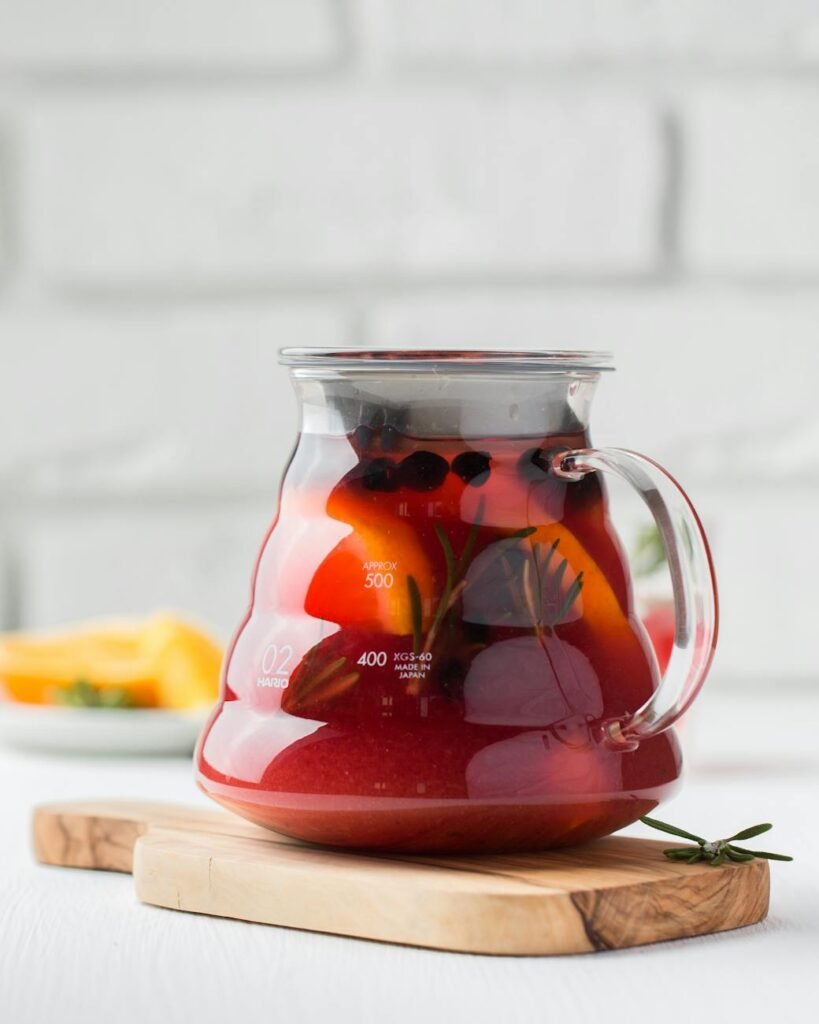
While you can technically brew tea in a simple mug, having the right tools elevates the process from a chore to a ritual. The most important tool in your arsenal is the vessel itself. Glass teapots are the superior choice for fruit teas because they are non-reactive; unlike metal, glass will not impart a metallic taste when exposed to the natural acids found in lemons, oranges, or hibiscus. Furthermore, the visual appeal of watching flowers bloom and fruit dance in the water adds a sensory layer to the experience. You can find a selection of elegant, heat-resistant glass teapots at esctea.com that allow you to monitor the strength of your brew by color alone.
Beyond the pot, filtration is key. Fruit pieces, especially dried peels and berries, expand significantly as they rehydrate. Small, cramped tea balls restrict water flow, resulting in a weak, uneven extraction. You need an infuser basket that provides ample room for the ingredients to swell and circulate. If you are planning on making large batches or cold brews, a pitcher with a built-in strainer is indispensable. This setup allows the fruit to float freely, maximizing flavor release while keeping the pour clean and grit-free. Investing in durable, functional equipment from the collections available at esctea.com ensures that your setup is not only practical but also aesthetically pleasing enough to serve guests.
Mastering hot and cold brewing techniques
Temperature and time are the two variables that define the success of your brew. Hot brewing is the traditional method and is best for extracting flavor quickly, especially from dried ingredients like apple pieces, rosehips, or hibiscus petals. The water should be boiling (212°F or 100°C) for herbal fruit blends to fully break down the cellular structures of dried fruit. However, if your blend includes green tea, you must let the water cool to around 175°F (80°C) to avoid scorching the leaves, which causes astringency. A standard steep time for fruit tea is between 5 to 10 minutes—much longer than traditional tea—to allow the natural sugars to dissolve into the liquor.
Cold brewing, on the other hand, is a game-changer for beginners who want a smooth, sweet drink without any risk of bitterness. This method involves placing your fruit and tea mixture into cold water and letting it sit in the refrigerator for 6 to 12 hours. The slow extraction draws out the aromatic compounds without pulling out the harsh tannins or acidity that hot water sometimes releases. This technique is particularly effective for soft fruits like peaches or strawberries. To get started with this method, consider using the specialized cold brew bottles available at esctea.com, which are designed to fit perfectly in fridge doors and feature integrated filters for effortless pouring.
Flavor profiles and creating your own blends
Once you understand the mechanics of brewing, the real fun begins with blending flavors. A well-rounded fruit tea usually consists of three components: the base note (often apple, hibiscus, or rosehip for body), the main flavor (the primary fruit), and an accent (spices, herbs, or citrus peel). For example, apple pieces act as a fantastic neutral sweetener that adds body to the water without dominating the flavor profile. Hibiscus, a staple in many fruit blends, provides a stunning deep red color and a tart, cranberry-like kick that is incredibly refreshing.
Balancing these flavors requires experimentation. If a blend is too tart, adding a pinch of licorice root or stevia leaf can provide sweetness without sugar. If it feels flat, a strip of lemon zest or a stalk of lemongrass can brighten it up. Below is a guide to common pairings that work harmoniously together.
| Primary Fruit | Complementary Herb/Spice | Best Tea Base | Flavor Profile |
|---|---|---|---|
| Peach / Apricot | Ginger or Basil | Black Tea or Oolong | Warm, sweet, and slightly spicy |
| Strawberry / Raspberry | Mint or Vanilla | Green Tea or White Tea | Fresh, bright, and cooling |
| Orange / Lemon | Clove or Cinnamon | Earl Grey or Rooibos | Zesty, festive, and aromatic |
| Blueberry / Blackcurrant | Lavender or Rosemary | Black Tea | Deep, earthy, and floral |
Don’t be afraid to mix dried ingredients with fresh ones. A handful of premium dried berry blend from esctea.com can be elevated with a few slices of fresh cucumber or a sprig of garden mint. This combination of concentrated dried flavor and fresh aromatics creates a multi-layered beverage that is far superior to store-bought alternatives.
Brewing homemade fruit tea is an accessible journey that transforms simple water into a healthy, flavorful delight. By understanding the importance of high-quality ingredients, utilizing the proper glass equipment, and mastering the nuances of temperature control, you can create beverages that rival any artisanal cafe. Whether you prefer the comforting warmth of a hot berry infusion or the crisp refreshment of a citrus cold brew, the versatility of fruit tea ensures there is a blend for every palate and season. We encourage you to start experimenting with different combinations today. To ensure your journey begins with the best possible flavors and tools, visit esctea.com for a curated selection of premium teas, dried fruits, and brewing accessories that will elevate your daily cup.
Image by: Anna Tukhfatullina Food Photographer/Stylist
https://www.pexels.com/@myfoodie