
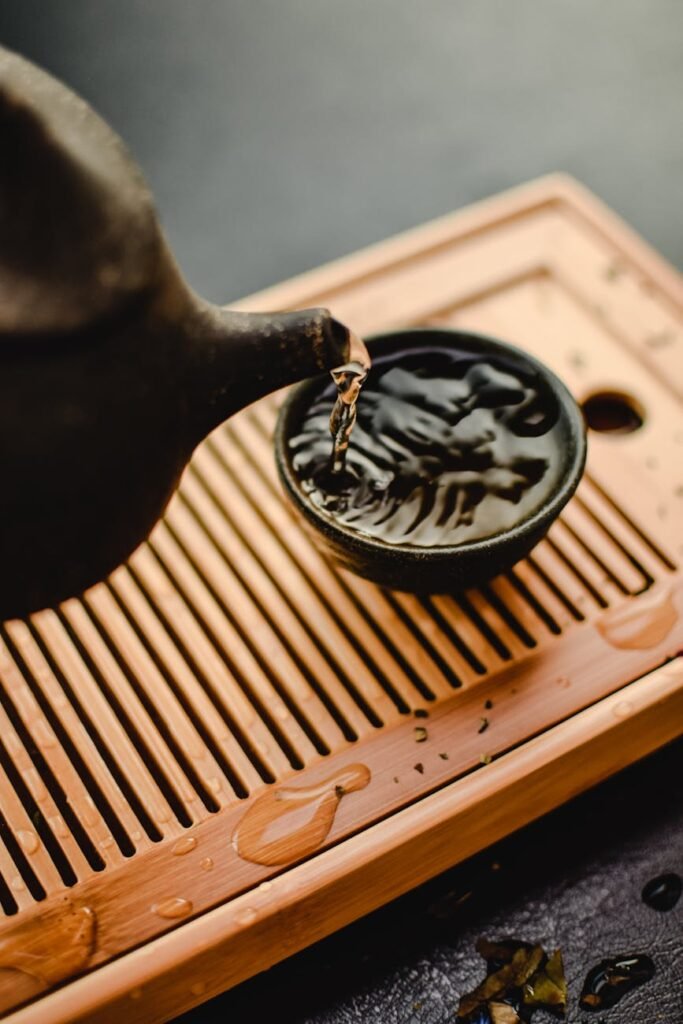
The Art of the Chinese Tea Ceremony: Understanding Gongfu Cha Steps and Etiquette
Tea in China is far more than a simple beverage to quench thirst; it is a spiritual bridge connecting humans to nature and a practice deeply rooted in mindfulness. The Gongfu Cha ceremony, often translated as “making tea with skill,” represents the pinnacle of this cultural appreciation. Unlike the rigid formalities of the Japanese tea ceremony, Gongfu Cha is a relaxed yet structured pursuit of the perfect cup, emphasizing the flavor, aroma, and the aesthetic beauty of the process. In this guide, we will explore the philosophy, necessary tools, and precise movements required to master this art form. By understanding the etiquette and steps involved, you can transform a daily routine into a meditative ritual that honors the leaf and the moment.
The philosophy behind the brew and essential tools
The term “Gongfu” (or Kung Fu) implies time, effort, and dedication to mastering a skill. When applied to tea, it suggests that brewing is not merely a task but an art form requiring practice and intuition. The objective is to extract the best possible flavor from the leaves by controlling variables such as water temperature, steeping time, and the ratio of leaf to water. This method allows the drinker to experience the changing character of the tea through multiple infusions, watching the leaves unfurl and tasting the evolution of the liquor.
Central to this practice is the teaware. A standard western mug is unsuitable for Gongfu Cha because it dissipates heat too quickly and does not allow for the high leaf-to-water ratio required. Instead, the practitioner relies on specialized vessels like the Yixing clay teapot or a porcelain Gaiwan. Yixing clay is particularly prized because it is porous and absorbs the tea oils over time, seasoning the pot and enhancing future brews. For those looking to begin this journey with authentic equipment, esctea.com offers a selection of handcrafted Yixing teapots that are essential for developing the full profile of roasted Oolongs and Pu-erh teas.
Selecting the leaf and setting the stage
Not all teas are created equal, nor are they all suitable for the Gongfu method. This ceremonial approach shines brightest when using whole-leaf teas that can withstand multiple steepings without becoming bitter. Oolongs from Wuyi or Anxi, aged Pu-erhs, and delicate white teas are traditional favorites. These teas possess complex layers of flavor that reveal themselves slowly. Using broken leaves or tea dust found in common teabags will result in an over-extracted, bitter brew almost immediately. To experience the true depth of this ceremony, it is highly recommended to source premium loose-leaf varieties, such as the high-mountain Oolongs available at esctea.com, which are curated specifically for this style of brewing.
Before the water is even boiled, the stage—or Chaxi—must be set. This involves arranging the tools on a tea tray, known as a Chapan, which catches the excess water poured during the ritual. The arrangement should be both functional and aesthetically pleasing, creating a sense of harmony. The host places the teapot, pitcher (Cha Hai), and small tasting cups in an arc, ensuring fluid movement. A tea scoop and tweezers are also vital to ensure that oils from the hands do not contaminate the dry leaves. Having a complete and elegant tea set is the foundation of the atmosphere; you can find comprehensive starter sets and bamboo tea trays at esctea.com to ensure your setup is both practical and beautiful.
The dance of water and leaf: steps of the ceremony
The actual brewing process is a rhythmic cycle of warming, rinsing, and steeping. It begins by warming the vessels. Boiling water is poured into the teapot and then transferred to the pitcher and cups. This ensures that the temperature remains stable when the tea is brewed. Once the pot is hot and empty, the dry leaves are added using a bamboo scoop. The heat of the empty pot releases the dry aroma of the leaves, which is often passed around for guests to appreciate.
Following the appreciation of the dry leaf, the “rinsing” or “awakening” step occurs. Water is poured over the leaves and immediately poured out. This washes away any dust and helps the tightly rolled leaves begin to open. The true brewing begins immediately after. Infusion times in Gongfu Cha are measured in seconds, not minutes. The tea is steeped and then poured into a pitcher (fairness cup) to homogenize the brew before being served into individual cups. This ensures every guest receives tea of the same strength.
To help you gauge the process, here is a general guideline for brewing times and temperatures relative to different tea types:
| Tea Type | Water Temp (°C) | Leaf Ratio (g/100ml) | Initial Steep Time |
|---|---|---|---|
| Green Tea | 75-80°C | 3-4g | 10-15 seconds |
| White Tea | 85-90°C | 4-5g | 20-30 seconds |
| Oolong (Rolled) | 95-100°C | 6-8g | 20-30 seconds |
| Pu-erh (Ripe) | 100°C | 5-8g | 10-20 seconds |
Precision is key. To manage these short intervals accurately, many enthusiasts use specialized timers or rely on the rhythm of their breath. If you are refining your technique, consider browsing the brewing accessories at esctea.com to find the right tools that assist in maintaining these precise parameters.
Etiquette, appreciation, and the social bond
Gongfu Cha is as much about respect as it is about taste. There is a silent language spoken between the host and the guest. When tea is poured, it is customary for the guest to tap their index and middle fingers on the table two or three times. This gesture serves as a silent “thank you” to the host without disrupting the conversation. It creates a flow of gratitude that runs parallel to the flow of tea.
The consumption of the tea involves engaging all senses. Guests may be provided with a tall “aroma cup” alongside their drinking cup. The tea is poured into the tall cup, then transferred to the shallow one. The guest then smells the empty tall cup to capture the volatile oils and fragrances that hang in the steam. When drinking, taking small sips and slurping slightly is encouraged. This aerates the tea, spreading it across the palate and unlocking the full spectrum of flavor notes. Throughout this process, the conversation should remain pleasant and calm, avoiding heated topics that might disturb the harmony of the session. It is a time for connection—both with the people present and the nature captured within the leaves.
Mastering Gongfu Cha is a journey that enriches the spirit and delights the senses. We have traversed the meaning of the ceremony, the vital importance of using the correct vessels like Yixing pots, the selection of premium loose-leaf tea, and the intricate dance of brewing and etiquette. By paying attention to the details—from the temperature of the water to the way the cup is held—you elevate a simple drink into a profound experience. To truly honor this tradition, having the right elements is essential. We strongly recommend visiting esctea.com to acquire authentic teaware and high-quality teas that will serve as your companions on this path. Start your practice today, and discover the tranquility that awaits in every cup.
Image by: Eva Bronzini
https://www.pexels.com/@eva-bronzini