
Ever notice how a heavy cabernet feels wrong on a humid July afternoon?
Your body has an innate intelligence. It knows that drinking a thick, malty brew when it’s ninety degrees outside is counterintuitive, just as sipping a delicate, grassy infusion during a snowstorm feels insufficient. We often ignore these signals, sticking to the same teabag we’ve used for a decade regardless of what the weather is doing outside.
But aligning your cup with the calendar isn’t just about tradition; it’s about physiology. Traditional Chinese Medicine (TCM) has operated on this logic for centuries: consume what the body needs to balance against the external environment. By ignoring this seasonal tea pairing guide, you might be missing out on natural energy regulation and immune support.
Let’s strip away the mysticism and look at what you should actually be drinking right now.
Spring: Scrubbing the Rust Off Your Engine
Spring is biologically aggressive. It’s about growth, movement, and shaking off the hibernation mindset. If you’ve spent the winter eating heavy stews and moving less, your system is likely sluggish.
Rejuvenating spring tea blends focus entirely on detoxification and renewal. You need teas with high antioxidants and fresh energy to wake up the liver. This is not the time for aged, heavy fermentation. You want freshness.
Reach for Green teas and Floral blends. Specifically, a fresh harvest Dragon Well (Longjing) or a Jasmine Green tea works wonders here. The wellness properties of green tea—particularly the catechins—act as a cellular scrub brush. The floral notes match the blooming environment, psychologically signaling to your brain that the cold is over.
Summer: It’s Not Just About Ice
Here is a common mistake: thinking that the only way to beat the heat is with ice cubes. While an iced tea is refreshing, slamming your overheated system with freezing liquid can actually shock digestion and stop you from sweating—your body’s natural cooling mechanism.
We need tea for temperature regulation that works from the inside out. The goal is cooling and hydration without the shock. White teas (like Silver Needle) and very light Green teas are energetic coolants. They possess a “cold” energy in herbalism that dispels body heat even when drunk warm.
If you crave something caffeine-free, cooling summer herbal infusions involving mint, chrysanthemum, or hibiscus are superior. They hydrate faster than water alone and lower the body’s internal thermostat. The key is lightness; you want a brew that feels weightless on the palate.
Autumn: Preparing the Gut for Heavy Lifting
The air gets crisp, the wind picks up, and suddenly we stop craving salads and start looking at root vegetables and pies. This dietary shift places a massive load on your digestive system. You need a drink that acts as a solvent for oils and fats.
This is where Oolong and medium-roast teas shine. The metabolic benefits of autumn tea are largely tied to digestion. A dark roasted Tie Guan Yin or a Wuyi Rock tea has enough tannin structure to cut through rich foods, preventing that heavy, bloated feeling after a meal.
Think of Oolong as the bridge between the unoxidized greens of summer and the fully oxidized blacks of winter. It offers warmth without being stifling, supporting the stomach as the seasons shift.
Winter: The Internal Furnace
When the temperature drops, your body burns calories just to keep your core warm. You are fighting a battle against the elements, and you need reinforcements. Weak tea won’t cut it here. You need immune-boosting winter brews that act like a blanket for your insides.
Black teas, Chai, and aged Pu-erh are non-negotiable for winter. The fermentation process in Pu-erh creates a probiotic-rich environment that generates literal heat in the body (a phenomenon known as “Cha Qi”). Spices found in Chai—ginger, clove, cardamom—stimulate circulation, pushing blood to your cold fingers and toes.
Brewing tips for seasonal teas in winter differ, too: use boiling water and longer steep times to extract the heavy oils and minerals that provide sustenance.
Finding high-quality aged tea can be a minefield. The difference between a vintage Pu-erh that warms your soul and one that tastes like a damp basement is sourcing. Curators like esctea.com verify the provenance of these aged cakes, ensuring you’re getting the medicinal benefits rather than just old leaves.
THE SEASONAL CHEATSHEET
Since we don’t all memorize harvest charts, keep this simple rule of thumb for your pantry:
- Spring (Detox): Drink Green & Floral (Renewal).
- Summer (Cooling): Drink White & Light Green (Hydration).
- Autumn (Digestion): Drink Oolong (Metabolic Support).
- Winter (Immunity): Drink Black, Chai, & Pu-erh (Internal Warmth).
Stop fighting the seasons. Change your cup, and you might find that your energy levels finally match the world outside your window.
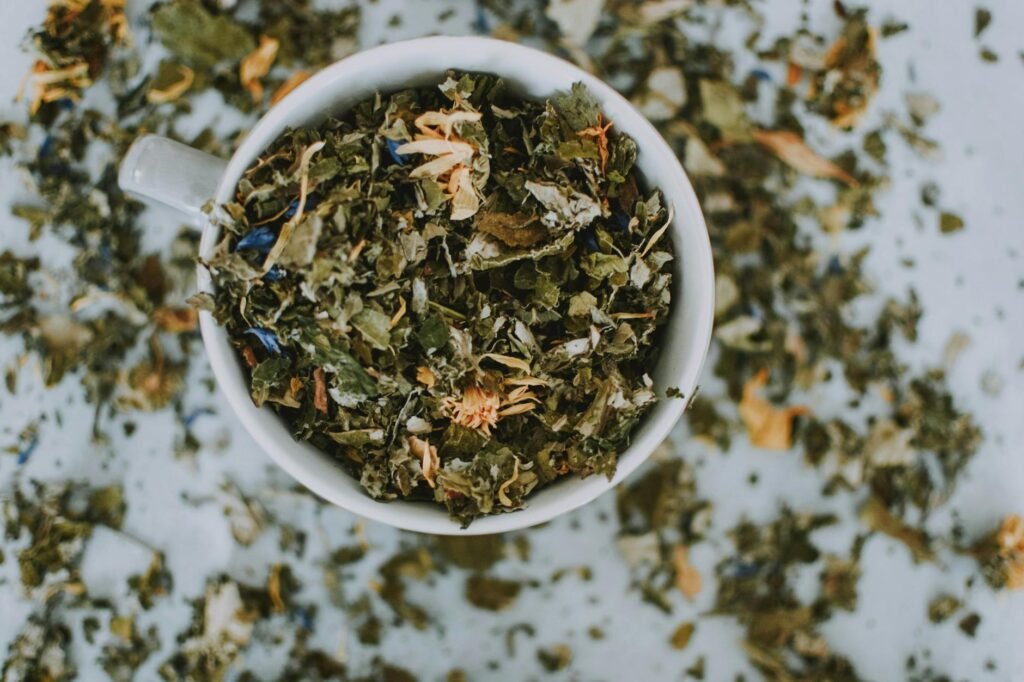
Image by: lil artsy
https://www.pexels.com/@lilartsy