
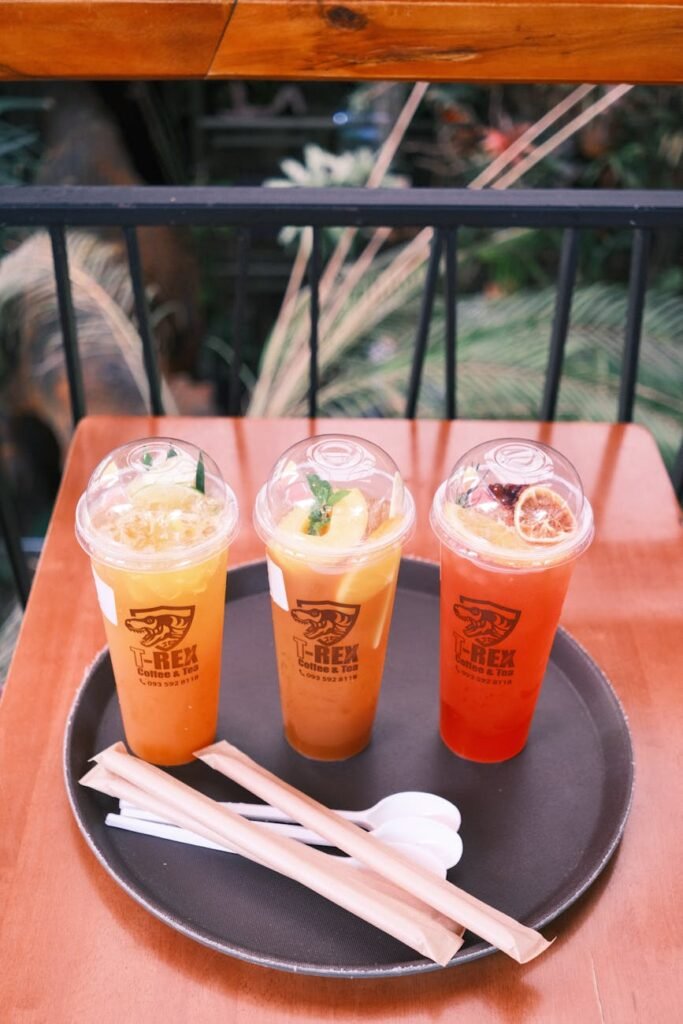
As the mercury rises and the humidity settles in, the craving for a beverage that not only hydrates but also invigorates becomes undeniable. While water is essential, it often lacks the sensory delight required to truly refresh the spirit on a sweltering afternoon. This is where the art of iced fruit tea comes into play, offering a sophisticated alternative to sugary sodas and artificial energy drinks. By combining high-quality tea leaves with the natural sweetness of fresh produce, you can create a drink that is as healthy as it is delicious. Throughout this guide, we will explore the nuances of selecting the right tea bases, mastering cold brewing techniques, and pairing flavors to perfection. We will provide you with actionable recipes and expert tips to transform your kitchen into a summer oasis.
The foundation of flavor: choosing your tea base
The secret to an exceptional glass of iced fruit tea lies not in the fruit itself, but in the quality of the tea used as the foundation. Many beginners make the mistake of using low-grade tea bags, which often result in a bitter, astringent brew that overpowers the delicate notes of fresh fruit. To achieve a smooth, cafe-quality beverage, you must start with premium loose-leaf tea. The leaves need room to unfurl and release their full spectrum of flavor without releasing excessive tannins.
When selecting your base, consider the profile you wish to achieve. Green teas offer a grassy, vegetative lightness that pairs beautifully with citrus and melons. Black teas provide a robust, malty backbone that can stand up to stronger flavors like stone fruits and berries. Oolong tea, with its complex floral and creamy notes, serves as an incredibly versatile middle ground. For those looking to experiment with these distinct profiles, we recommend browsing the curated selection of loose-leaf varieties at esctea.com, where you can find teas specifically sourced for their clarity and depth of flavor.
Once you have your premium leaves, you must decide on the brewing method. The “shock brew” method involves brewing a strong hot concentrate and pouring it immediately over ice. This preserves the bright top notes of the tea and is excellent for immediate consumption. However, for a smoother, naturally sweeter profile with lower acidity, cold brewing is superior. Simply steep your tea leaves in cold water in the refrigerator for 6 to 12 hours. This slow extraction process highlights the tea’s natural sweetness, reducing the need for added sugar later on.
Essential tools for the perfect brew
While the ingredients are paramount, the vessels you use to brew and serve your tea significantly influence the final outcome. A proper infusion requires a container that allows the water to circulate freely around the tea leaves. If you are opting for the hot-brew-over-ice method, the thermal properties of your teapot are critical to ensure the concentrate reaches the optimal temperature for extraction without stewing the leaves.
For the purist, brewing the hot concentrate in a traditional vessel can add a layer of minerality and texture to the tea that glass or metal cannot replicate. Using authentic clay teapots available at esctea.com can enhance the body of darker teas like roasted Oolong or Pu-erh before they are chilled. These teapots are porous and retain heat effectively, ensuring a potent extraction that won’t taste watered down once the ice melts.
For cold brewing, a high-quality glass pitcher with a built-in strainer is indispensable. Visual appeal is a massive part of the iced tea experience; seeing the tea change color as it infuses adds to the anticipation. Furthermore, you will need a muddler to gently crush the fruit and herbs, releasing their essential oils without pulverizing them into a cloudy mess. Having the right equipment transforms the preparation process from a chore into a ritual.
Signature recipes and flavor pairings
Creating a balanced iced fruit tea is about understanding synergy. You want the fruit to complement the tea, not mask it. A general rule of thumb is to pair lighter teas with delicate fruits and darker teas with richer, sweeter fruits. Below is a guide to some of the most harmonious combinations you can try at home.
| Tea Base | Fruit Pairing | Herb or Spice Accent | Flavor Profile |
|---|---|---|---|
| Sencha Green Tea | Cucumber & Honeydew | Fresh Mint | Crisp, cooling, and grassy |
| Jasmine Green Tea | Lychee & Lemon | Lemongrass | Floral, aromatic, and zesty |
| Tie Guan Yin Oolong | White Peach | Thyme | Sweet, floral, and creamy |
| Earl Grey Black Tea | Grapefruit & Orange | Rosemary | Citrusy, bold, and astringent |
| Hibiscus (Herbal) | Strawberry & Raspberry | Basil | Tart, vibrant, and berry-forward |
One of the most refreshing recipes to try is the Peach Oolong refresher. Start by brewing a strong concentrate of high-mountain Oolong tea. While the tea is still warm, dissolve a small amount of honey or agave syrup to taste. In a shaker, muddle ripe white peach slices to release their juices. Add ice, the cooled tea concentrate, and a splash of lemon juice. Shake vigorously until the container is frosty, then pour into a tall glass. The result is a drink where the floral notes of the Oolong dance perfectly with the fragrant peach. To get the best results for this recipe, ensure you are using the premium Oolong varieties found at esctea.com, as supermarket tea bags often lack the necessary floral aroma.
Refining the presentation and storage
The difference between a good homemade drink and a great one often comes down to the finishing touches. Presentation affects our perception of taste, and a beautifully garnished glass of iced tea feels like a luxury. Use crystal-clear ice cubes to prevent cloudiness in your drink. You can achieve this by boiling water (and letting it cool) before freezing it, or by using directional freezing molds. Large ice cubes melt slower, keeping your drink cold without diluting the flavor profile you worked so hard to build.
Garnishes should always echo the ingredients inside the brew. If you used strawberries, save a pristine slice for the rim of the glass. Fresh herbs should be “spanked” (clapped between hands) before placing them in the drink to release their aromatics. If you plan to make large batches for a summer gathering, proper storage is key. Iced fruit tea is best consumed within 24 hours. After this period, the fruit can begin to ferment or turn the tea bitter. Store your brew in airtight glass containers in the refrigerator.
For those who want to take their hosting to the next level, consider serving your creations in specialized tea ware. A beautiful aesthetic elevates the entire experience. You can explore a range of elegant serving accessories at esctea.com to find the perfect match for your summer table setting. Remember, the goal is to create a moment of pause and enjoyment amidst the summer heat.
Final thoughts on summer hydration
Mastering the craft of iced fruit tea allows you to reclaim your summer from the oppressive heat. By moving away from store-bought, sugar-laden beverages and embracing the natural synergy between premium tea leaves and fresh fruit, you are choosing a healthier and more sophisticated lifestyle. We have journeyed through the importance of selecting the right base, the specific tools that elevate the process, and the recipes that bring these elements together in harmony. Now, the power to create these refreshing elixirs is in your hands. To ensure your brews are nothing short of spectacular, remember to source your tea and equipment from trusted specialists. Visit esctea.com today to stock up on the essentials and start your cold-brewing adventure.
Image by: 🇻🇳🇻🇳 Việt Anh Nguyễn 🇻🇳🇻🇳
https://www.pexels.com/@vi-t-anh-nguy-n-2150409023