
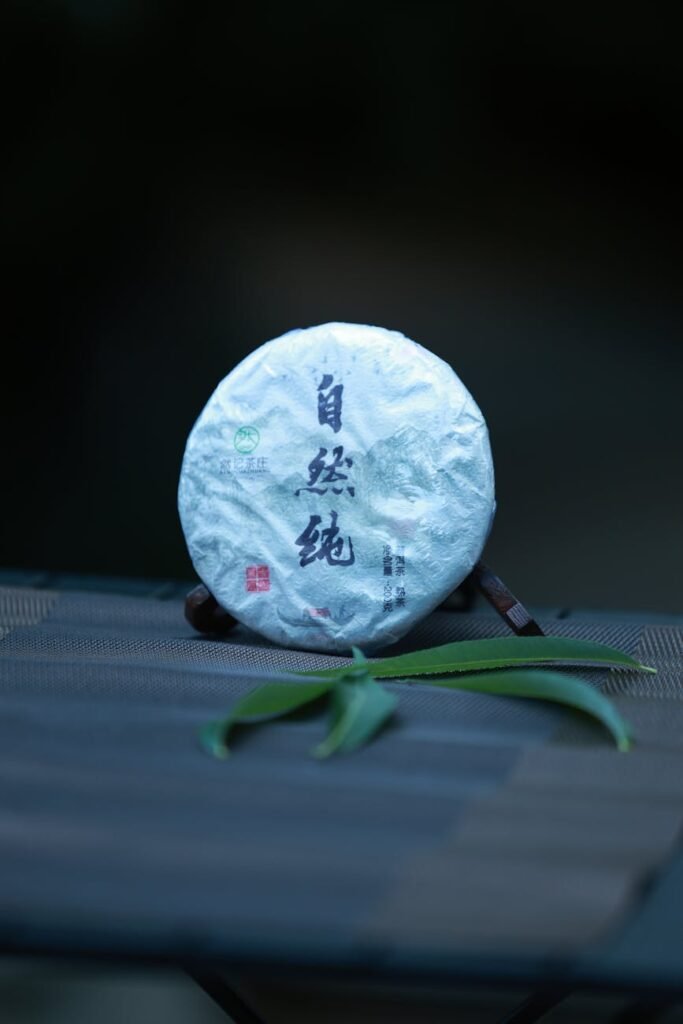
Raw vs. Ripe Puerh Tea: A Complete Guide to Taste and Differences
Puerh tea stands apart in the world of camellia sinensis as one of the most complex and misunderstood categories of tea. Originating from the Yunnan province in China, this fermented tea offers a depth of flavor and history that few other beverages can match. However, new enthusiasts often hit a stumbling block immediately when trying to select a tea: the fundamental division between raw (sheng) and ripe (shou) puerh. While they share the same geographic origin and genetic material, their processing methods create two distinct experiences that appeal to vastly different palates. In this guide, we will explore the specific production differences, the contrasting flavor profiles, and the aging potential of each, helping you decide which variety belongs in your cup.
The distinct processing methods
To understand the difference in the cup, one must first understand what happens in the factory. Both raw and ripe puerh begin their lives as distinct large-leaf varietals harvested in Yunnan. The leaves are picked, withered, and pan-fried to halt oxidation, a step called “kill-green.” The resulting material is sun-dried and becomes maocha, or rough tea. This is where the paths diverge. Raw puerh is the traditional form; the maocha is simply compressed into cakes or bricks and left to age naturally over years or decades. It is a slow, gradual fermentation process driven by the natural enzymes and environmental factors acting on the leaf.
Ripe puerh, on the other hand, is a modern invention developed in the 1970s to mimic the taste of aged raw puerh without the decades-long wait. To achieve this, tea masters utilize a technique known as Wo Dui, or wet piling. The maocha is piled in large heaps, moistened with water, and covered with thermal blankets. This environment encourages a rapid, accelerated fermentation fueled by heat and humidity. Over the course of 45 to 60 days, the leaves darken significantly and the chemical composition changes drastically. This accelerated process is what gives ripe puerh its signature dark color and mellow character immediately after production, whereas raw puerh requires patience to soften its edges.
Comparing flavor profiles and visual characteristics
The sensory experience of drinking raw versus ripe puerh is night and day. Young raw puerh often behaves somewhat like a green tea but with more aggression and body. The liquid is usually a golden-yellow or translucent orange. On the palate, you can expect distinct bitterness, astringency, and strong floral or stone fruit notes. It has a “cha qi” or tea energy that many find stimulating. As raw puerh ages, this bitterness recedes, replaced by darker, sweeter notes of camphor, dried plum, and wood. Finding a high-quality young raw puerh that balances bitterness with sweetness can be a revelation, and you can explore curated selections at esctea.com to experience this complexity firsthand.
Conversely, ripe puerh offers a completely different spectrum. The liquor is thick, opaque, and ranges from ruby red to pitch black. The flavor profile is devoid of the bitterness found in raw tea. Instead, it is characterized by earthy, woody, and mushroom-like notes. A good ripe puerh should be smooth, creamy, and coat the mouth, often described as having a comforting “petrichor” aroma—the scent of rain on dry earth. It is generally more forgiving to brew and gentler on the stomach.
Below is a quick reference guide to the primary differences:
| Feature | Raw Puerh (Sheng) | Ripe Puerh (Shou) |
|---|---|---|
| Leaf Color | Green, silver, turning brown with age | Dark brown, black, sometimes golden buds |
| Liquor Color | Golden yellow to orange | Dark red to black ink |
| Flavor Profile | Floral, fruity, bitter, astringent | Earthy, wood, cocoa, smooth, mellow |
| Mouthfeel | Crisp, active, mouth-watering | Thick, creamy, coating |
| Caffeine Impact | Often feels punchy and energetic | Often feels grounding and warming |
Aging potential and market value
The element of time affects these two teas differently, influencing both their taste and their market value. Raw puerh is the darling of collectors and investors. Because it relies on natural, slow fermentation, the tea is considered “alive” and changes constantly. A raw cake from the current year will taste vastly different in five, ten, or twenty years. Collectors often buy young raw tea to store, watching the value increase as the flavor matures and stabilizes. However, storage requires controlled humidity and temperature to prevent the tea from drying out or molding.
Ripe puerh also ages, but the curve is less dramatic. Since the wet-piling process essentially fast-forwards the fermentation, the tea is “ready to drink” as soon as it is sold. However, aging ripe puerh for a few years allows the “pile scent” (a slight fishy or musty odor from processing) to dissipate, resulting in a cleaner, sweeter cup. While very old ripe puerhs exist and are prized for their smoothness, the investment return and flavor transformation are generally less radical than with raw puerh. For those looking to start a collection or simply find a daily drinker, esctea.com offers a variety of cakes and loose leaf options suitable for both immediate consumption and long-term storage.
Brewing techniques for best results
To fully appreciate the differences discussed, you must adjust your brewing parameters. Ripe puerh is robust and requires high heat to extract its rich, earthy flavors. You should use boiling water (100°C / 212°F) and perform a quick “rinse” of the leaves for about 5 to 10 seconds before the first steep. This helps open up the compressed leaves and wash away any dust from the fermentation pile. Long infusions will result in a thick, soup-like liquor that rarely gets bitter.
Raw puerh requires a more delicate touch, especially if the tea is young. While boiling water can be used, some prefer slightly cooler water (around 90°C – 95°C) to mitigate astringency in very young cakes. Short steeping times are crucial; leaving the leaves in water for too long will result in an unpleasantly bitter brew. As you steep raw puerh over multiple infusions, you will notice the flavor evolve from bitter and floral to sweet and fruity. Whether you are using a traditional Gaiwan or a western teapot, having the right teaware makes a difference. You can find essential brewing accessories and premium leaves at the esctea.com online store to elevate your daily ritual.
In summary, the choice between raw and ripe puerh is not a matter of quality, but of preference and occasion. Raw puerh offers a dynamic, energetic experience with complex floral and fruity notes that evolve over decades, making it ideal for those who enjoy the journey of aging tea. Ripe puerh provides an immediate, grounding comfort with its smooth, earthy profile, perfect for digestion or a relaxing evening. By understanding the processing methods, flavor profiles, and brewing requirements, you can navigate the vast world of Yunnan teas with confidence. We encourage you to sample both varieties to discover which character resonates with your palate.
Image by: Andy Lee
https://www.pexels.com/@andy-lee-222330306