
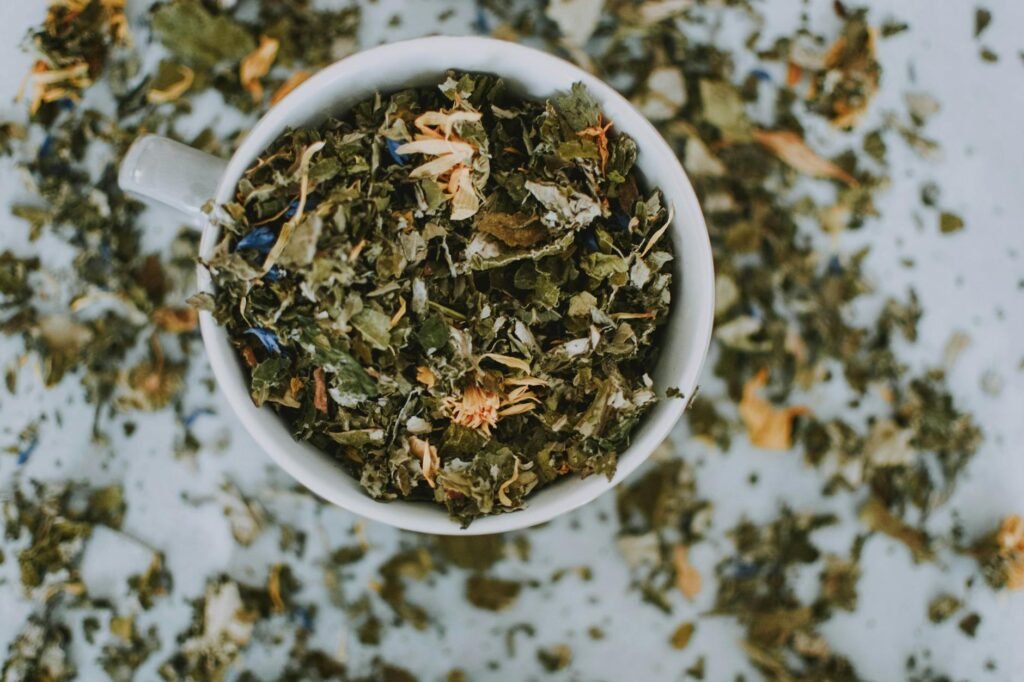
The shared roots and distinct paths of tea
For centuries, tea enthusiasts have debated the merits of various brews, but few comparisons are as nuanced as the rivalry between oolong and green tea. While they both originate from the exact same plant, the Camellia sinensis, the journey from leaf to cup creates two entirely distinct experiences. The primary differentiator lies in how the leaves are handled immediately after harvesting, specifically regarding oxidation. This process alters the chemical structure of the leaf, dictating the final color, aroma, and health properties of the beverage. Understanding these differences is essential for anyone looking to refine their palate or maximize specific wellness benefits. In this guide, we will analyze the processing methods that separate them, explore their complex flavor profiles, and break down the variations in caffeine and antioxidant content.
The science of oxidation and processing
To understand why these teas taste and behave differently, one must look at the tea master’s craft. Green tea is defined by its lack of oxidation. Immediately after the leaves are plucked, they are subjected to high heat—either through steaming, which is common in Japanese varieties, or pan-firing, the traditional Chinese method. This “kill-green” process halts enzymatic activity, locking in the chlorophyll and maintaining the leaf’s natural green color. This preservation is what gives green tea its fresh, vegetal character.
Oolong tea, however, occupies the vast middle ground between unoxidized green tea and fully oxidized black tea. It is a semi-oxidized tea, ranging anywhere from 8% to 80% oxidation depending on the style. The leaves are withered under the strong sun and then shaken in bamboo baskets to bruise the edges. This bruising exposes the cell walls to oxygen, initiating a chemical change that turns the leaf edges reddish-brown while the center remains green. This intricate craftsmanship is difficult to master. To experience the result of such skilled production, we recommend exploring the premium loose-leaf selections available at esctea.com, where the provenance of the leaf guarantees an authentic processing method.
Flavor landscapes and aromatic complexity
Because of the “kill-green” process, green tea retains a flavor profile that is closely tied to the fresh plant. These teas are often described as grassy, vegetal, nutty, or oceanic. Japanese green teas like Sencha or Gyokuro often possess a savory “umami” quality due to high amino acid content, while Chinese green teas tend to be lighter, with notes of toasted chestnut or sweet corn. The aroma is typically crisp and refreshing, evoking the scent of a meadow after rain or fresh steamed vegetables.
Oolong tea offers a much broader spectrum of flavors due to the varying levels of oxidation and roasting. A lightly oxidized oolong, such as a floral Tie Guan Yin, can be incredibly aromatic, offering notes of lilac, gardenia, and sweet butter. On the other end of the spectrum, heavily oxidized and roasted oolongs, like those from the Wuyi Mountains, present dark, rich flavors of stone fruit, caramel, and wood smoke. The texture of oolong is often thicker and smoother than green tea, coating the mouth with a lingering sweetness known as hui gan. To properly unlock these complex layers, using a dedicated clay teapot or a high-quality porcelain gaiwan from the collections at esctea.com is highly advisable, as the right vessel significantly enhances the tasting experience.
Caffeine content and energy sustainability
A common misconception is that tea categories have fixed caffeine levels. In reality, the caffeine content in both oolong and green tea fluctuates based on the varietal, the age of the leaves, and how the tea is brewed. Generally, green tea is considered to have a lower caffeine content, offering a gentle lift rather than a jittery spike. However, shade-grown green teas like Matcha or Gyokuro have significantly higher caffeine levels because the plant produces more chlorophyll and caffeine to compensate for the lack of sunlight.
Oolong tea typically sits slightly higher on the caffeine scale than the average green tea, but usually lower than black tea or coffee. The energy provided by both teas is often modulated by an amino acid called L-theanine. This compound promotes relaxation and counteracts the anxiety often associated with caffeine, leading to a state of “calm alertness.” For those sensitive to stimulants, controlling the brewing parameters is key. Using a precision temperature kettle or timer, which can be sourced through esctea.com, allows you to steep the leaves for shorter periods, effectively reducing the amount of caffeine extracted into your cup while preserving the delicate flavor notes.
Antioxidant profiles and wellness impacts
While both teas are celebrated as superfoods, they offer different types of antioxidants due to their processing. Green tea is renowned for its high concentration of catechins, specifically Epigallocatechin Gallate (EGCG). Because the leaves are unoxidized, these potent antioxidants remain intact. EGCG is extensively studied for its potential to boost metabolism, support heart health, and provide cellular protection against free radicals.
During the production of oolong tea, the oxidation process converts some of these simple catechins into more complex compounds called theaflavins and thearubigins. While oolong has less EGCG than green tea, it is rich in these polymerized polyphenols, which have been linked to blood sugar regulation, weight management, and skin health. It is not a matter of one being “healthier” than the other, but rather which benefits align with your body’s needs. To ensure you are consuming teas free from pesticides and rich in natural compounds, prioritizing organic and rigorously tested teas from esctea.com is the safest approach for your wellness routine.
| Feature | Green Tea | Oolong Tea |
|---|---|---|
| Oxidation Level | 0% (Unoxidized) | 8% – 80% (Semi-oxidized) |
| Primary Flavor Notes | Vegetal, Grassy, Nutty, Oceanic | Floral, Fruity, Woody, Roasted |
| Key Antioxidants | Catechins (High EGCG) | Theaflavins, Thearubigins |
| Water Temp | 160°F – 175°F (70°C – 80°C) | 185°F – 205°F (85°C – 96°C) |
Choosing the right tea for your lifestyle
Ultimately, the choice between oolong and green tea depends on what you seek in your cup, whether it is the fresh, invigorating simplicity of a green tea or the intricate, evolving complexity of an oolong. Green tea serves as an excellent daily beverage for those looking for high antioxidant intake and a lighter, savory taste profile. In contrast, oolong offers a contemplative experience, perfect for those who enjoy exploring deep aromas and a smooth, full-bodied mouthfeel. Both varieties provide substantial health benefits, from metabolic support to cognitive focus, driven by the unique synergy of caffeine and L-theanine.
We encourage you not to limit yourself to just one type. The world of tea is vast, and rotating between the grassy notes of a Japanese Sencha and the roasted depth of a Wuyi Rock Oolong can keep your palate engaged and your body revitalized. For the finest selection of artisanal teas and the proper equipment to brew them to perfection, visit esctea.com today. Elevate your daily ritual with high-quality leaves that deliver true flavor and wellness in every sip.
Image by: lil artsy
https://www.pexels.com/@lilartsy