
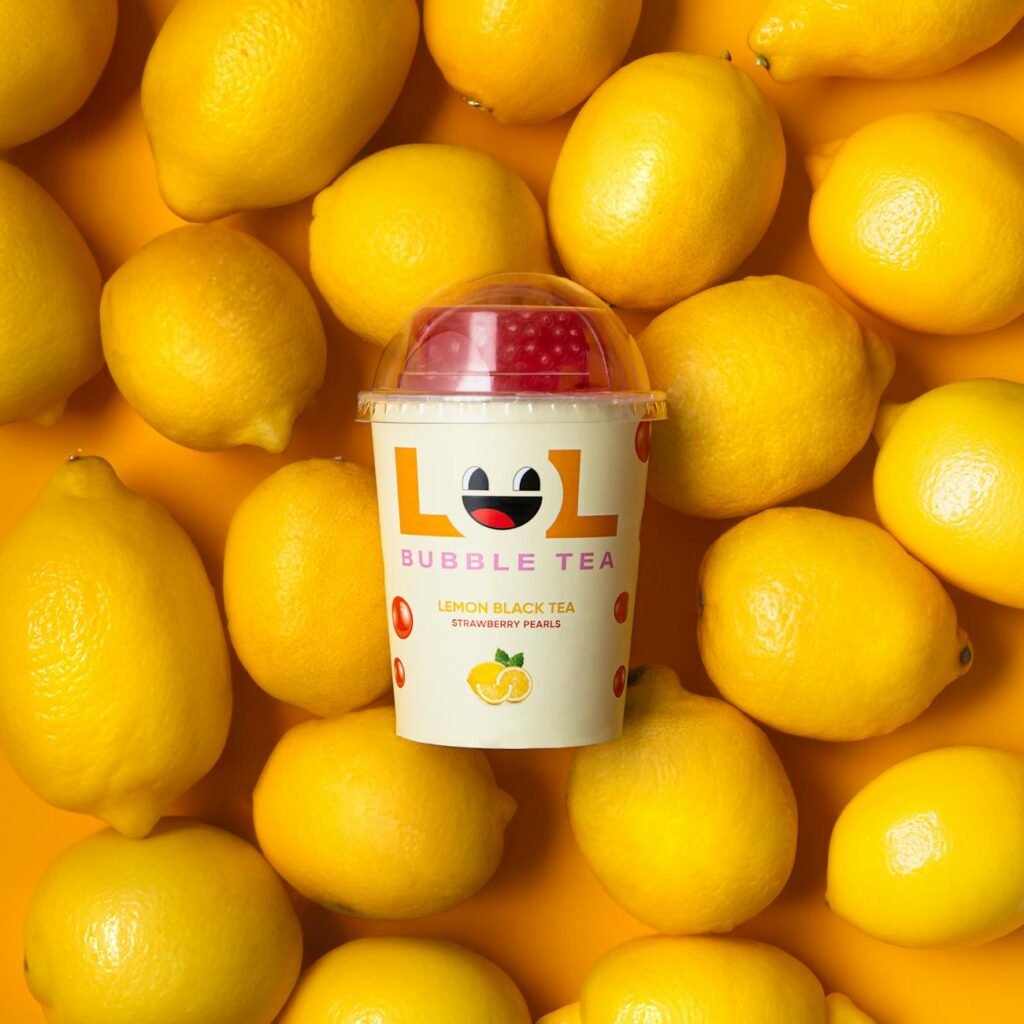
The Death of the Neon Slushie
Remember the mall food court? Specifically, that distinct memory of sipping a neon-colored beverage that tasted vaguely of sugar and “purple.” For decades, that was the standard. We accepted chewy, overcooked tapioca pearls swimming in powdered creamer as the pinnacle of Asian drinks. But look around. That era is fading fast.
There is a massive shift happening in your cup. We are witnessing the Chinese bubble tea evolution in real-time, moving from a cheap sugar fix to a culinary experience that rivals third-wave coffee.
It’s no longer just about hydration; it’s about texture, origin, and aesthetic. The gritty powders are out. Whole ingredients are in. If you haven’t noticed the lines wrapping around the block for these new tea houses, you might be missing the biggest shift in beverage culture since the flat white went mainstream.
Not Just Tea, But “New Style” Alchemy
So, what changed? In short: everything.
The driving force behind this **East Asian drink market expansion** is a refusal to compromise. The modern consumer is smarter. You know when you’re drinking syrup, and you know when you’re drinking a **fresh fruit tea infusion**. The best shops today are practically fruit markets. They are hand-peeling grapes, muddling strawberries, and slicing grapefruits to order.
But the fruit is only half the battle. The base matters. You can’t hide bad leaves behind sugar anymore. This wave of **artisanal beverage innovation** relies heavily on **premium loose leaf brewing**. We are talking about single-origin Oolongs and Jasmines that would usually be served in a ceramic gaiwan, now iced and topped with fruit.
This is where the quality gap widens. If you’re trying to replicate this at home, you’ll quickly realize that grocery store tea bags just don’t have the structural integrity to hold up against fresh fruit. This is where specialized sourcing becomes non-negotiable. For those who care about the pedigree of their leaves, platforms like esctea.com have become essential for filtering out the noise, ensuring that the base of your drink is as high-quality as the toppings you add.
The Data: Old School vs. The New Wave
It’s easy to say “it’s better,” but let’s look at the mechanics. The difference between a 1990s boba shop and modern tea house culture is molecular.
| The Metric | The Old School (Traditional) | The New Style (Modern) |
|---|---|---|
| Main Ingredients | Artificial powders and syrups | Fresh seasonal fruit and real milk |
| Tea Base | Commodity grade tea (Dust/Fannings) | Premium single-origin loose leaf |
| Signature Topping | Tapioca pearls (Boba) | Savory cheese foam and fruit bits |
| Sweetness Source | Fructose and corn syrup | Fresh fruit juices and cane sugar |
| Market Positioning | Quick-service dessert | Premium lifestyle experience |
The “Cheese” Heard ‘Round the World
You can’t talk about this revolution without addressing the weirdest, most addictive innovation of the last decade: the **cheese foam tea trend**.
It sounds wrong. Cheese? In tea? But if you’ve tried it, you get it. It’s not cheddar; it’s a whipped blend of cream cheese, milk, and sea salt. It creates a rich, savory cap that floats on top of the cold, sweet tea. You tip the cup back (no straw allowed) and get a mustache of foam followed by the refreshing tea.
This layering technique owes a massive debt to the **Heytea and Nayuki influence**. These giants pioneered the concept in China, proving that adventurous textures could command premium prices. They taught the world that tea could be dessert, beverage, and art installation all at once.
How to Spot Quality (And Avoid the Fakes)
Because this style of tea is booming, imitators are everywhere. You’ll see shops claiming “fresh fruit” while pouring purée from a plastic jug. Here is how you spot the real deal:
- Look at the Counter: Do you see actual fruit crates? If the “kitchen” is hidden, be skeptical.
- Check the Menu: A shop doing it right will often list the specific type of tea (e.g., “Da Hong Pao” or “Jasmine Green”) rather than just “Red Tea.”
- Watch the Prep: Are they brewing tea in bulk buckets in the morning, or using high-pressure extractors (teapressos) per cup?
The standard has been raised. Whether you are queuing up at a trendy spot in the city or browsing curators like esctea.com to upgrade your home brewing setup, the goal is the same: respect the leaf. The days of powdered, neon-colored sugar water are behind us. Drink accordingly.
Image by: LOL Bubble Tea 🍓
https://www.pexels.com/@lol-bubble-tea-2154418419