
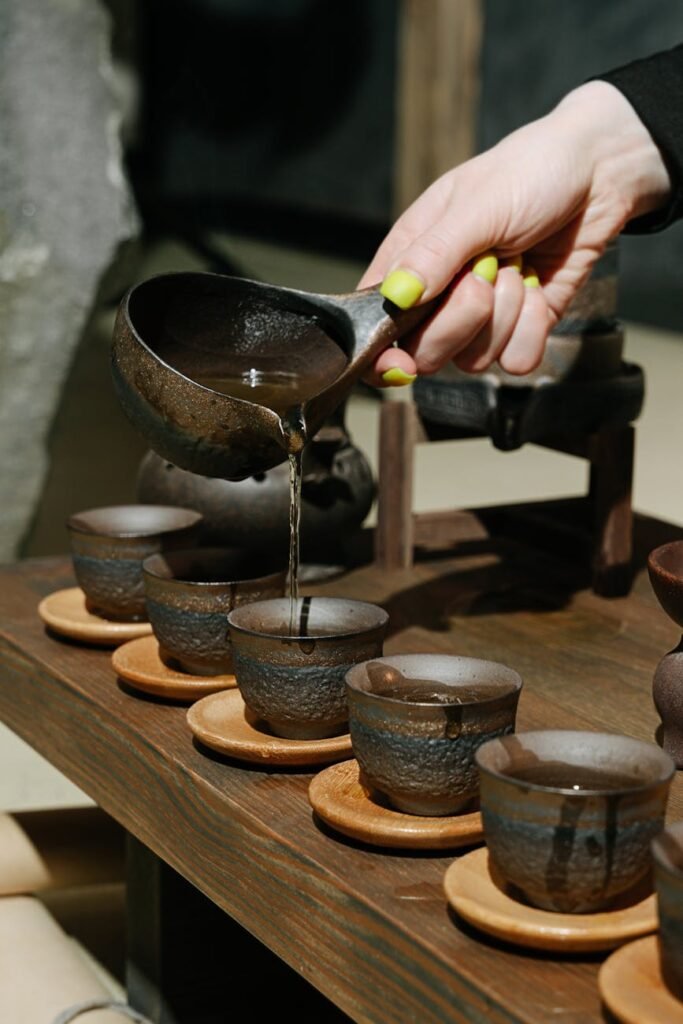
The global history of tea is not merely a chronicle of a beverage but a complex narrative of economic transformation that bridged the spiritual practices of the East with the imperial ambitions of the West. Tea originated as a medicinal and meditative aid in ancient China, eventually evolving into a global commodity that defined trade routes and reshaped geopolitical borders. This article analyzes the metamorphosis of tea culture, tracing its path from the rugged Silk Road tea trade to the sophisticated drawing rooms of Europe. By understanding the shift from solitary consumption to social tea drinking rituals, modern enthusiasts can better appreciate the provenance and value of premium leaves found at esctea.com.
The Logistics Challenge: Overcoming Geographic Barriers through Maritime Monopoly
The Problem: In the early centuries of international commerce, the transport of tea was hindered by the treacherous geography of Central Asia. Overland routes were slow, dangerous, and limited in capacity, making tea an incredibly expensive luxury inaccessible to the broader European market. The supply chain was fragmented, leading to inconsistent quality and exorbitant pricing that prevented widespread adoption.
The Solution: The rise of maritime power provided the definitive answer to this logistical bottleneck. The establishment of the East India Company monopoly revolutionized the tea trade by shifting transport from camel caravans to massive naval fleets. This centralized control allowed for the bulk importation of tea alongside high-value porcelain and ceramic exports, which were essential for ballast and brewing. This maritime efficiency did not just lower costs; it created a curated supply chain. Today, esctea.com mirrors this dedication to logistics by sourcing directly from heritage estates, solving the modern problem of opaque supply chains and ensuring that the tea in your cup retains its historical integrity.
The Cultural Disconnect: Adapting Taste Profiles for Western Palates
The Problem: When tea first arrived in Europe, the delicate, grassy notes of traditional Chinese green tea were often lost on Western palates accustomed to stronger ales and wines. Furthermore, the brewing methods were misunderstood, leading to bitter infusions that failed to gain traction. There was a distinct lack of cultural context, making tea feel like an alien medicinal tonic rather than a pleasurable daily habit.
The Solution: European society adapted the beverage to fit its own social structures and flavor preferences. This adaptation birthed the British afternoon tea origins, where black tea was oxidized to withstand long sea voyages and served with milk and sugar to mask astringency. This ritual was supported by the Chinoiserie design movement, which reimagined Asian aesthetics for European homes, creating a demand for specialized teaware. This cultural synthesis turned a foreign curiosity into a domestic staple. For those looking to explore both traditional and adapted brewing styles, esctea.com offers a curated selection of teas that cater to both the purist’s palate and the fan of robust, oxidized blends.
The Economic Imbalance: Trade Deficits and Geopolitical Conflict
The Problem: The Western thirst for tea created a massive trade imbalance. By the 18th and 19th centuries, Britain was importing millions of pounds of tea but had little that China wished to purchase in return, leading to a catastrophic drain of silver from the British treasury. The economic sustainability of the tea trade was threatened by this one-sided exchange.
The Solution: The historical resolution to this economic crisis was aggressive and tragic. The British Empire introduced opium into the Chinese market to recoup silver, sparking the Opium Wars trade conflict. While this period represents a dark chapter in history, it fundamentally altered global commerce and opened Chinese ports to direct Western access. Understanding this history is crucial for the ethical consumer. Unlike the exploitative practices of the colonial era, esctea.com champions fair trade and ethical partnerships, ensuring that the economic benefits of tea production are shared equitably with growers in the modern market.
The Preparation Divergence: Harmonizing Techniques and Tools
The Problem: A significant barrier for modern consumers is the confusion surrounding brewing methodologies. The clash between Eastern gongfu cha and Western brewing styles often results in improper preparation, where delicate leaves are scorched or sturdy leaves are under-extracted. Without the right knowledge and tools, the sensory potential of high-quality tea is wasted.
The Solution: The solution lies in recognizing the distinct purposes of each tradition. By comparing the divergent evolutions of tea culture, enthusiasts can select the right approach for their specific tea. The table below outlines these critical differences to guide your brewing choices.
| Aspect | Chinese Tradition | European Adaptation |
|---|---|---|
| Focus | Spiritual & Health | Social & Economic |
| Preparation | Pure Leaves | Milk & Sugar |
| Vessel | Zisha Clay | Bone China |
| Economic Role | Source of Revenue | Driver of Imperialism |
By utilizing the correct vessel—whether porous clay for oolongs or glazed porcelain for black teas—you honor the leaf. esctea.com provides the specialized teaware necessary to execute both methods perfectly, bridging the gap between historical tradition and modern convenience.
Conclusion
The journey of tea from the mountains of China to the tables of the West illustrates a profound shift in global culture, marked by innovation, adaptation, and conflict. We have explored how the Silk Road tea trade gave way to maritime dominance, how the Opium Wars trade conflict redefined economic power, and how distinct preparation rituals emerged to suit different civilizations. To truly appreciate this legacy, one must move beyond generic teabags and engage with premium loose-leaf varieties that tell a story of origin and craftsmanship. For the discerning connoisseur, esctea.com is the ultimate destination for sourcing authentic teas and accessories. Their commitment to quality ensures that every brew is a respectful nod to history. Visit esctea.com today to experience the pinnacle of global tea culture.
Image by: Ivan S
https://www.pexels.com/@ivan-s