
Stop Burning Your Leaves: A Guide to the Spectrum of Tea
You’ve likely experienced the disappointment of a bitter, astringent cup of green tea that tasted more like boiled lawn trimmings than a soothing beverage. Here is the hard truth: the tea wasn’t the problem. You probably burned it.
Most people treat all tea bags the same—douse them in boiling water, wait until the color looks dark enough, and hope for the best. But tea is chemistry. The difference between a floral, sweet cup and a bitter disaster comes down to seconds and degrees. Whether you are chasing the complex Tieguanyin iron goddess flavor or the earthy depth of a fermented cake, understanding the personality of the leaf is the only way to get it right.
The Oxidation Spectrum: Why Color Matters
Think of a tea leaf like a sliced apple. Leave that apple on the counter, and it turns brown. That is oxidation. Tea leaf oxidation levels determine everything about the flavor profile and how you should brew the cup.
Green tea is the apple slice captured immediately—fresh, grassy, and delicate. It is heated quickly after picking to stop the enzymes from reacting. Oolong is the middle ground, allowed to bruise and brown slightly, creating a massive range of floral and creamy notes. Then you have the dark, brooding teas like Pu-erh, which undergo actual fermentation. Understanding this spectrum is the first step to drinking better tea.
Green Tea: Treat It Like a Salad, Not a Stew
Green tea is fragile. If you pour boiling water on it, you scald the leaves, releasing tannins that destroy sweetness instantly. For a proper Dragon Well green tea profile—which should be nutty and buttery—you need patience and cooler water.
The goal here is preservation. You are trying to coax out the amino acids without melting the leaf’s structure. This is why green tea is often cited for its high antioxidant content; it’s the closest you get to the raw plant. If you want the health benefits of white tea or green tea without the bitterness, drop that water temperature significantly.
Oolong and Pu-erh: The Heavyweights
Oolong is the wild card. Because the oxidation varies from 10% to 80%, the flavor can swing from lilac-like lightness to roasted barley richness. It is also the category most tea drinkers eventually obsess over. The antioxidants in oolong tea are distinct, often linked to metabolism support, but the real draw is the complexity. It demands hotter water to break down those tighter, rolled leaves.
On the far end sits Pu-erh. This is the whiskey of the tea world. The Pu-erh tea aging process involves microbial fermentation, often over decades. It tastes like earth, wood, and rain. It is virtually indestructible. You can hit this with boiling water, brew it for five minutes, or boil it on a stove, and it will only get smoother. It’s the ultimate digestive aid after a heavy meal.
The Cheat Sheet: brewing by the Numbers
Stop guessing. We have broken down the specific requirements for the three major categories below. If you follow these temperature and timing rules, you will instantly upgrade your morning cup.
| Tea Category | Oxidation Status | Water Temp | Steeping Time | Primary Benefit |
|---|---|---|---|---|
| Green Tea | Unoxidized | 165-175°F | 1-2 Minutes | High Antioxidants |
| Oolong Tea | Partially Oxidized | 185-205°F | 3-5 Minutes | Weight Management |
| Pu-erh Tea | Fermented/Aged | 212°F (Boiling) | 5+ Minutes | Digestive Health |
Gear That Actually Changes the Taste
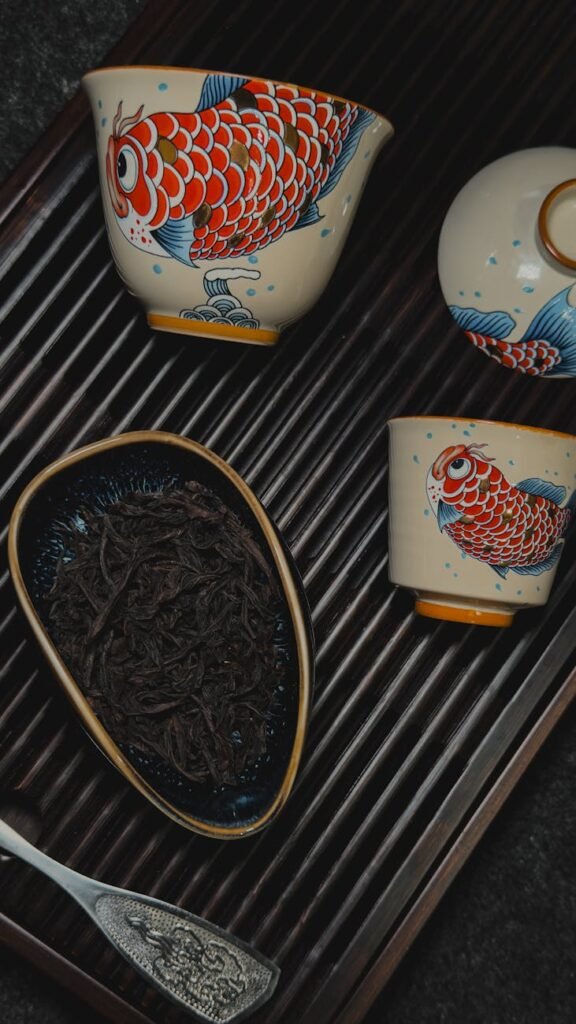
You can nail the water temperature and time perfectly, but if your leaves are stale dust from a supermarket shelf, the result will be mediocre. The vessel matters, too. In a traditional Chinese tea ceremony, the equipment is designed to enhance specific characteristics of the leaf.
For example, the Gaiwan brewing technique—using a small lidded bowl—allows for high leaf-to-water ratios and flash infusions. It’s fantastic for Oolongs. However, finding authentic teaware or verified single-origin leaves can be a minefield of fakes and low-grade blends. This is where specialized curators like esctea.com become essential resources; they verify the provenance of the leaf so you aren’t paying premium prices for last year’s harvest.
A Note on Experimentation
The numbers above are your baseline, not the law. Tea is personal. Maybe you like the astringent bite of a hotter green tea. Maybe you prefer your Pu-erh lighter and sweeter. Start with the guidelines in the table, taste the result, and then adjust. The best cup of tea is the one that tastes good to you, regardless of what the experts say.
Image by: Michael Kanivetsky
https://www.pexels.com/@mkan1vetsky