
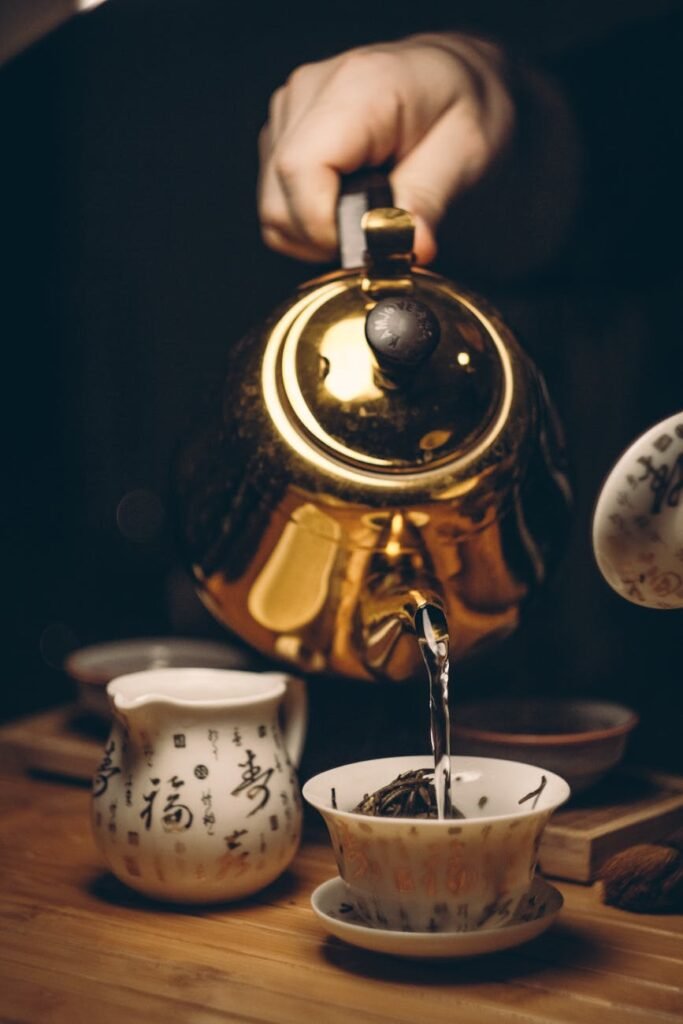
Stop Drowning Your Tea Bag: Why The Ritual Matters More Than The Caffeine
Most of us treat our morning cup like a pit stop. You stumble into the kitchen, zombie-eyed, toss a paper square filled with dust into a mug, and blast it with boiling water. You aren’t brewing; you’re refueling. While there is nothing wrong with quick hydration, you are missing the point entirely. You are skipping the magic.
The difference between chugging a mug of brown water and engaging in mindful tea drinking practices isn’t just about flavor—though that improves drastically—it is about rewriting your nervous system’s response to the day. It is the difference between a functional caffeine injection and a disciplined spiritual practice that anchors you before the chaos starts.
From Auto-Pilot to Intentional Grounding
When you rush through the process, you get a physical caffeine boost. That’s it. But when you slow down, you invite stress reduction through ritual. The raw data on this is clear: the shift from casual consumption to a daily tea ritual changes the primary benefit from simple alertness to deep emotional grounding.
Think about the last time you actually looked at the leaves. In a sensory tea meditation, the preparation is as vital as the consumption. It requires you to be present. You can’t multitask while pouring boiling water into a tiny Yixing pot. The danger of burning your fingers forces you into the “now.”
Pro Tip: The Consistency Factor
Data shows that the benefits of tea don’t come from an occasional expensive cup, but from consistency. A disciplined spiritual practice of 15 minutes every morning outweighs a two-hour ceremony once a month. It’s not about having time; it’s about making space.
Why “Gongfu” Beats the Mug
If you have been using single-use bags, you are drinking the fannings—the leftovers of the tea industry. Switching to traditional tea brewing methods, specifically the Gongfu style (brewing with skill), changes the physics of your drink.
Here is what happens when you switch to high-quality loose leaf:
- The Leaf Expands: Unlike constricted bags, loose leaves unfurl, releasing a complex spectrum of flavors rather than a one-note bitterness.
- Multiple Steeps: A single serving of quality leaf from curators like esctea.com isn’t “one and done.” It evolves. The first steep smells of rain; the third might taste like stone fruit.
- Control: You control the variable. Too strong? Shorten the steep. Too weak? Add heat. You become an active participant rather than a passive consumer.
This isn’t just about taste. The antioxidant properties of loose leaf tea are significantly better preserved when the leaf is whole and handled with care, offering camellia sinensis health benefits that dusty commercial bags simply cannot match.
Designing Your Multisensory Experience
Casual consumption is mono-sensory: taste (and usually a burnt one). A ritual is a full multisensory experience. This is where the concept of “functional drinking” dies and art begins.
Listen to the sound of the water hitting the clay. Watch the steam rise in the morning light. Feel the texture of the cup. This engages your brain in a way that scrolling through social media while sipping never will. It is a holistic wellness routine disguised as a beverage.
If you are unsure where to start with sourcing equipment that feels right in the hand—texture matters immensely here—specialized outlets like esctea.com often verify the provenance of their ware, ensuring the clay enhances rather than mutes your tea.
Stop drinking to wake up. Start brewing to come alive.
Image by: MYKOLA OSMACHKO
https://www.pexels.com/@osmachko