
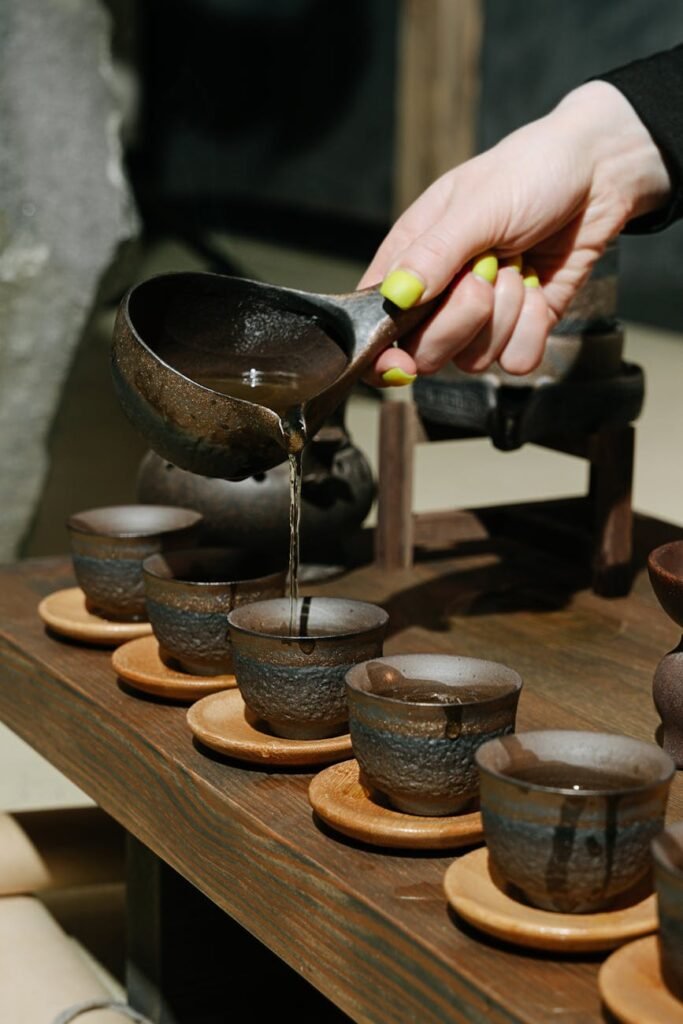
Stop Drinking Sugar Water: The Real Reason You’re Craving Ritual
You know the feeling. You’re standing in line at a fluorescent-lit counter, waiting for a plastic cup filled with tapioca pearls and enough syrup to power a small sedan. It’s delicious, sure. But ten minutes later? The crash hits. You’re left with a sugar headache and a vague sense of emptiness.
There is a different way to drink. A way that doesn’t involve blenders or sealing machines.
We are witnessing a quiet revolution in specialty tea market trends right now. People are tired of the hustle. They are trading the instant gratification of a drive-thru for the slow, deliberate art of leaf and water. It’s not just about caffeine; it’s about regaining your sanity in a world that demands your attention every second of the day.
The “Gongfu” Hustle (It’s Not What You Think)
Let’s clear up a misconception immediately. Gongfu tea culture isn’t some mystical, unreachable practice reserved for monks on a mountain. “Gongfu” literally just means “skill through effort.” It’s the difference between microwaving a frozen dinner and cooking a steak on a cast-iron skillet.
When you switch to authentic loose leaf tea, you aren’t just drinking a beverage; you are participating in physics. You are controlling heat, time, and volume.
The weapon of choice? The Gaiwan. It looks like a simple lidded bowl, but the Gaiwan brewing technique is the ultimate lie detector for tea. There are no filters to hide behind. No paper to absorb the oils. It’s just you, the leaves, and the water. It forces you to pay attention. If you zone out, you burn your fingers or oversteep the brew. If you focus, you get a liquor that tastes like orchids, honey, or petrichor.
The Showdown: Why Your “Tea” Isn’t Actually Tea
Most of what we consume in the West is actually dessert masquerading as a drink. To understand why traditional tea houses in America are suddenly packed with twenty-somethings, look at the stark difference in what you’re actually putting into your body.
| The Contender | Boba (Milk Tea) | Traditional Chinese Tea |
|---|---|---|
| Core Experience | Sweet beverage and texture | Aroma and flavor profile |
| Main Ingredient | Tea with milk and pearls | Pure whole-leaf tea |
| Preparation | Fast-casual service | Ritualized multi-steeping |
| Health Profile | High calorie and sugar | Zero calorie and antioxidant-rich |
| Focus | Convenience and snack | Mindfulness and tradition |
The Clay Matters (Don’t Buy Poison)
Once you get past the leaves, you fall down the rabbit hole of teaware. This is where things get tricky. You’ve probably seen those tiny, unglazed brown pots. These are Yixing clay teapots, and they are legendary for a reason. The clay is porous; it drinks the tea with you, seasoning over years to improve the flavor of your brew.
But here is the danger zone.
The market is flooded with “mud” pots that use shoe polish or chemical slurries to mimic the look of authentic ore. Boiling water in those? Bad idea. This is where curation becomes your lifeline. Unless you plan on flying to Jiangsu province to inspect mines yourself, you need a gatekeeper. Sources like esctea.com have become vital for serious drinkers because they treat the provenance of the clay as seriously as the tea itself. If you can’t verify the ore, don’t boil water in it. Stick to porcelain until you find a source you trust.
Silence is the New Luxury
Why do we do this? Why spend twenty minutes brewing tiny cups of liquid?
Because mindful tea drinking is a socially acceptable way to shut the world out. When you sit down with a tea tray, your phone stays in the other room. You listen to the sound of the water hitting the kettle. You watch the steam rise.
It resets your baseline.
In a high-dopamine culture, doing something slowly is an act of rebellion. You aren’t producing content. You aren’t optimizing your workflow. You are just tasting. The complexity of a high-mountain Oolong or an aged Puerh demands your full sensory processing power. It pulls you out of your head and into your senses.
Ready to Pour?
You don’t need a thousand dollars of equipment to start. You need a bag of real leaves, boiling water, and a willingness to sit still for fifteen minutes. The chaos of the world will still be there when you finish your cup. You’ll just be better equipped to handle it.
Image by: Ivan S
https://www.pexels.com/@ivan-s