
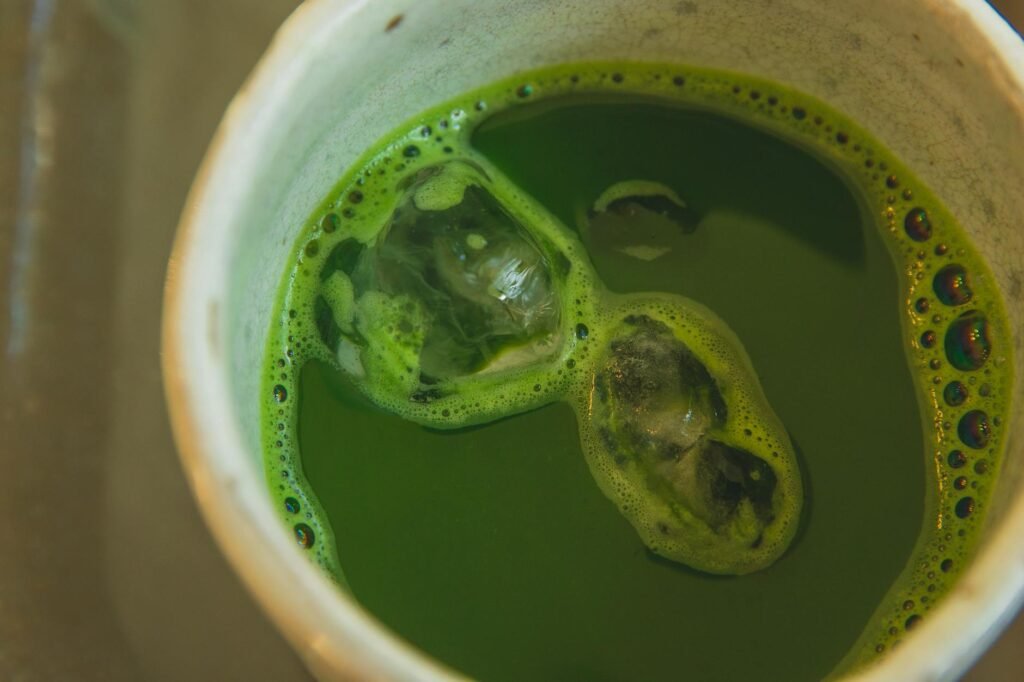
How to Cool Down Without Shocking Your System
The secret to genuine relief during a heatwave lies in working with your body’s internal thermostat, rather than throwing freezing water on it. Gulping down an ice-heavy, sugary drive-thru drink constricts your blood vessels, effectively trapping heat inside your core. Instead, practitioners of Eastern wellness lean on a traditional Chinese medicine cooling tea approach. By selecting specific herbs and lightly oxidized leaves, you actively nourish the body’s natural fluids. These Yin-enhancing summer teas do the heavy lifting for you. They drop your temperature gently and sustainably, leaving you feeling balanced instead of jittery and bloated.
The Ultimate Showdown: Patient Steeping vs. Instant Gratification
Choosing between a long, slow steep and a rapid chill completely alters the chemical makeup of the drink in your cup. You essentially have two distinct paths. You can either practice patience with cold brew loose leaf tea in the fridge overnight, or adapt iced Gongfu brewing techniques to flash-chill a hot, concentrated steep directly over ice. Both methods are brilliant. Yet, they yield entirely different results in terms of texture, aroma, and energy. Let’s break down exactly what happens to the leaf depending on how you treat it.
| Feature | Cold Brew Method | Flash Chilled Method |
|---|---|---|
| Extraction Time | 4 to 12 Hours | 5 to 10 Minutes |
| Flavor Profile | Sweet and Mellow | Bright and Dynamic |
| Caffeine Release | Minimal and Slow | Full and Immediate |
| Ideal Tea Type | White and Green Teas | Oolong and Black Teas |
Choosing the Exact Leaves for Maximum Hydration
Lighter, less oxidized teas thrive in cold water, pulling out delicate sweetness without the astringent bite that ruins so many iced beverages. If you want to sip continuously throughout a humid afternoon, gravitate toward hydrating green tea varieties. They hold up beautifully to chilled environments and never turn muddy on the palate. But sometimes you want zero caffeine and pure, clean floral notes. That is exactly when you should reach for a classic chrysanthemum and goji berry tea. The blossoms offer a subtle, honey-like aroma. Meanwhile, the berries add just enough natural sweetness to keep you coming back for another pour, requiring absolutely no added sugar.
Sourcing Leaves That Survive the Chill
Low temperatures expose the true quality of a leaf, meaning cheap teas will taste completely flat, while premium harvests will sing. When you remove heat from the extraction process, you lose the ability to mask poor quality with bold, roasted, or artificial flavors. You need leaves that are naturally rich in amino acids. Creating vibrant, refreshing herbal infusions requires ingredients that haven’t been sitting in a dusty warehouse for three years. Finding farm-direct, high-grade botanicals can be incredibly frustrating for the average buyer. That is precisely why many serious drinkers rely on curators like esctea.com to source peak-season harvests, ensuring every batch actually tastes like the mountain it came from. Treat your cold ingredients with the same respect you give your morning hot brew, and your summer sipping will never be the same.
Image by: Ryutaro Tsukata
https://www.pexels.com/@ryutaro