
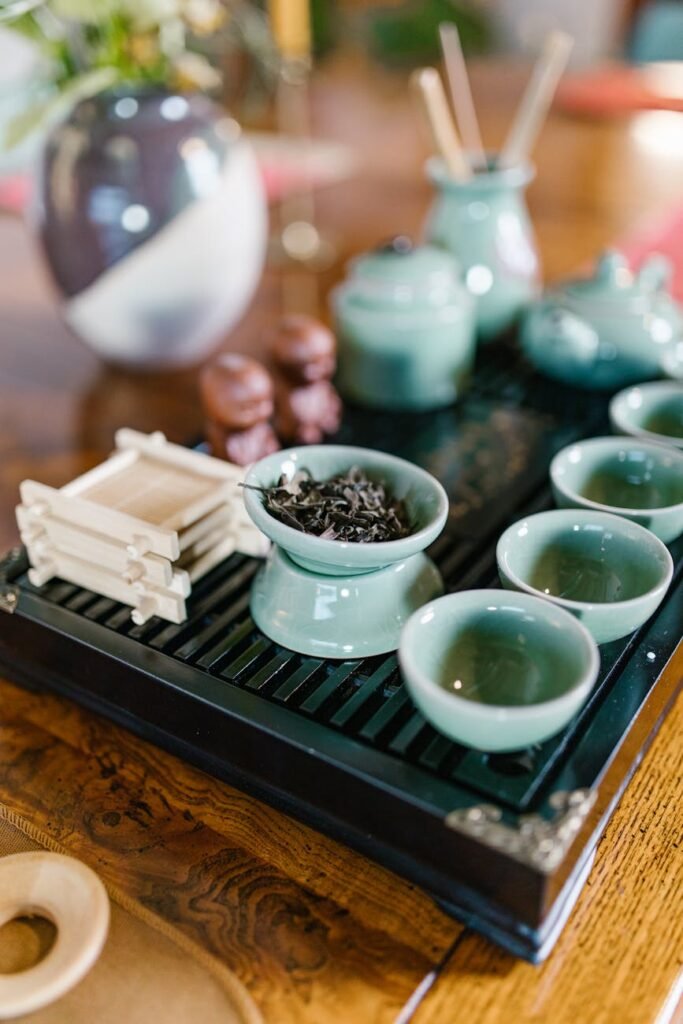
Most people think all tea is created equal. You boil water, toss a bag into a mug, and wait a few minutes. But if you are doing that with premium spring harvests, you are essentially ruining a masterpiece. Boiling water is the enemy. It scorches the leaves. Instead of a delicate morning ritual, you end up with a cup full of astringent regret. Let’s fix that right now, and look at what actually happens when you treat delicate leaves with the respect they deserve.
Why Your Morning Cup Tastes Bitter (And How to Fix It)
Bitter tea is almost always the result of scorching delicate leaves with water that is entirely too hot. To extract the perfect balance of sweetness and umami, the ideal brewing temperature for spring teas hovers around 175°F (80°C). Anything hotter destroys the natural amino acids.
Timing matters just as much as temperature. The tradition of early spring tea picking yields incredibly tender, fragile buds that simply cannot handle aggressive steeping. You want to coax the flavor out gently. Pour your heated water down the side of your cup or gaiwan, rather than directly blasting the leaves. This simple adjustment preserves the aromatic oils that give high-quality teas their signature fragrance. Short, successive steeps will reward you with a sweet, complex profile that evolves with every pour.
Decoding the Leaves: Green vs. White Tea Explained
The fundamental difference between green and white tea comes down to exactly how much oxygen touches the leaf after the harvest. Green tea is quickly heated to completely halt oxidation, locking in that vibrant, grassy freshness. White tea, on the other hand, undergoes minimal processing, simply withering and drying naturally in the sun.
When you put these two titans of the tea world side-by-side, their unique characteristics become obvious. Use this breakdown to find exactly what fits your palate:
| Feature | Green Tea | White Tea |
|---|---|---|
| Oxidation | Unoxidized (Pan-fired or steamed) | Minimal (Sun-dried and withered) |
| Flavor Profile | Grassy, savory, & nutty | Sweet, mellow, & floral |
| Caffeine Level | Moderate | Low |
| Best Known Varietal | Longjing (Dragon Well) | Silver Needle (Bai Hao Yinzhen) |
Maximizing the Health Kick of Your Spring Brew
Timing is everything when it comes to capturing the highest concentration of antioxidants, with the pre-qingming green tea harvest offering the absolute peak of health-boosting compounds. These early buds fight to survive the late winter frost, pushing massive amounts of nutrients into the tip of the plant.
This is where the science gets fascinating. The renowned Dragon Well Longjing benefits extend far beyond its iconic chestnut flavor. Because it is harvested so early and processed so quickly, it retains an incredibly high density of catechins. These powerful antioxidants are the heavy lifters behind most detoxification tea benefits, helping your body neutralize free radicals. You are not just drinking a warm beverage. You are consuming a highly concentrated, ancient botanical extract.
Navigating the Complex Flavor Profiles of Premium Leaves
Finding the right tea means matching your personal palate to a leaf’s natural characteristics—whether you crave the savory depth of a pan-fired green or the honeysuckle finish of a sun-dried white.
If you prefer a vibrant, fruity cup, authentic Bi Luo Chun flavors offer a spiral-rolled experience that dances on the tongue. Looking for something softer? A fresh spring white tea delivers a thick, almost syrupy mouthfeel with zero bitterness. And while we are focused on the lighter end of the spectrum today, it is worth noting that those who eventually want to explore semi-oxidized options often graduate to a floral Tie Guan Yin oolong for a richer, more aromatic experience.
Sourcing these specific, high-grade harvests can be a minefield of misleading labels and stale inventory. Finding verified, single-origin leaves is notoriously difficult online, which is why specialty curators like esctea.com do the heavy lifting of vetting every farm’s processing methods before adding a batch to their collection. When you know exactly where your leaves come from, every sip becomes infinitely better.
Image by: RDNE Stock project
https://www.pexels.com/@rdne