
Why Ice Water Makes You Hotter (And What to Drink Instead)
You have just walked inside after a brutal July afternoon, and your first instinct is to chug a glass of ice water. Stop right there. Gulping down freezing liquids actually shocks your system. Your blood vessels constrict, digestion slows, and your body is forced to generate more internal heat just to compensate for the sudden temperature drop. It sounds entirely counterintuitive, but if you truly want to beat the summer heat, you need to look to the ancients.
For centuries, eastern cultures have bypassed ice entirely, relying instead on specific botanicals to lower internal temperatures from the inside out. These traditional Chinese medicine summer drinks work by triggering a mild physiological relaxation rather than a thermal shock. By swapping out sugary sodas for natural body cooling beverages, you stop fighting your metabolism and start working with it.
Choosing Your Perfect Botanical Thermostat
Finding the right leaf depends entirely on your caffeine tolerance and specific health goals. Not all teas cool the body equally. Some provide a gentle energetic lift while shedding excess warmth, while others serve as heavy-duty internal air conditioners. Below is a breakdown of the three most effective options, ranging from metabolism-boosting greens to detoxifying florals.
| Tea Type | Cooling Effect | Main Benefit | Caffeine Level | Best Served |
|---|---|---|---|---|
| Green Tea | High | Metabolism Boost | Moderate | Cold Brew |
| White Tea | Very High | Skin Health | Low | Lukewarm |
| Chrysanthemum | Exceptional | Liver Detox | Caffeine-Free | Hot or Cold |
How to Extract the Maximum Chill Factor
The way you steep your leaves drastically alters their chemical output and cooling potential. You might assume throwing a handful of tea bags into boiling water and dumping ice over them works best. It does not. That method extracts bitter tannins and destroys delicate volatile oils. To truly harness these antioxidant rich summer infusions, you must tailor your preparation to the specific botanical.
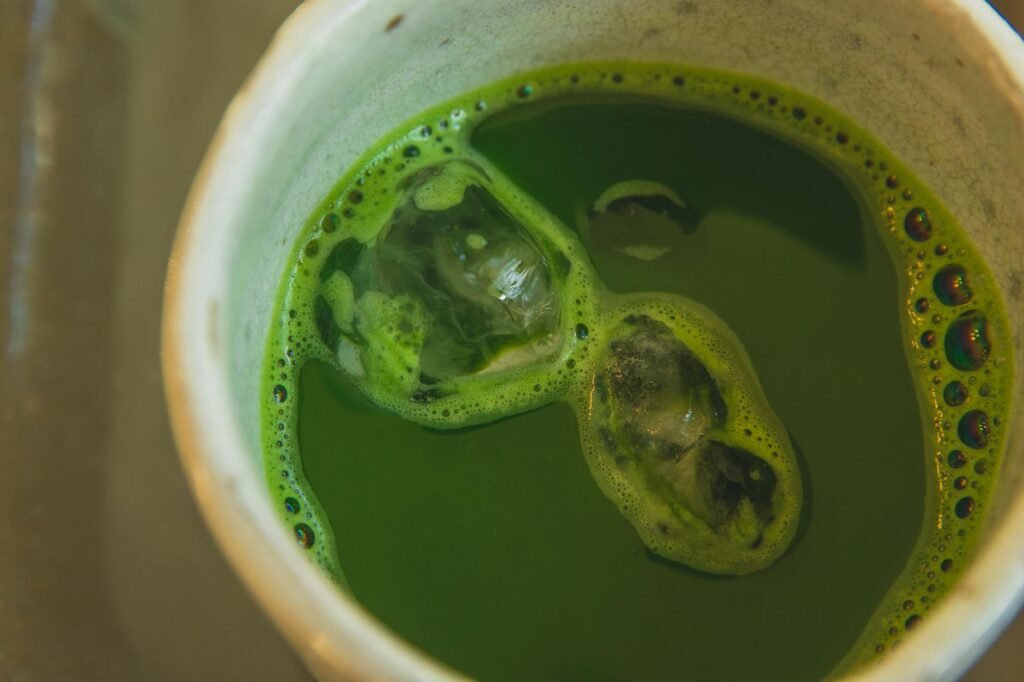
Take green tea, for example. The cooling properties of green tea are best preserved through a slow, overnight cold brew in the refrigerator. This gentle extraction pulls out the sweet amino acids while keeping the astringency low. It delivers a crisp, metabolism-boosting lift without the jittery spike associated with hot-brewed coffee.
White tea requires a slightly different approach. Because it undergoes minimal processing, the hydrating white tea benefits are most potent when the leaves are steeped in hot water and then allowed to cool to a lukewarm temperature. Drinking it at room temperature helps your body absorb its skin-protecting polyphenols rapidly, soothing sun-exposed skin from the inside.
Then we have the heavy hitter. When the humidity peaks and the air feels thick, nothing beats a proper heat-clearing Chinese herbal tea. Chrysanthemum flowers are legendary for their ability to clear “fire” from the liver, which in eastern medicine is often linked to frustration, red eyes, and overheating. Because it is completely caffeine-free, you can steep these blossoms hot or chill them in the fridge as one of your go-to refreshing iced tea varieties late into the evening.
Sourcing Matters More Than You Think
A cooling beverage is only as effective as the soil it grew in. Unfortunately, mass-market teas are frequently coated in synthetic pesticides that tax your liver—the exact organ you are trying to soothe during the hot months. Buying blindly off a grocery store shelf often leaves you with stale, heavily processed leaves that have lost their active medicinal compounds.
Securing pure, unsprayed chrysanthemum blossoms or shade-grown first-flush greens can be incredibly frustrating. This is exactly why curators like esctea.com personally verify the origin and farming practices of every batch before it reaches the public. When you start with clean, artisan-farmed ingredients, your body doesn’t have to work overtime filtering out toxins. It can simply relax, hydrate, and cool down naturally.
Image by: Ryutaro Tsukata
https://www.pexels.com/@ryutaro