
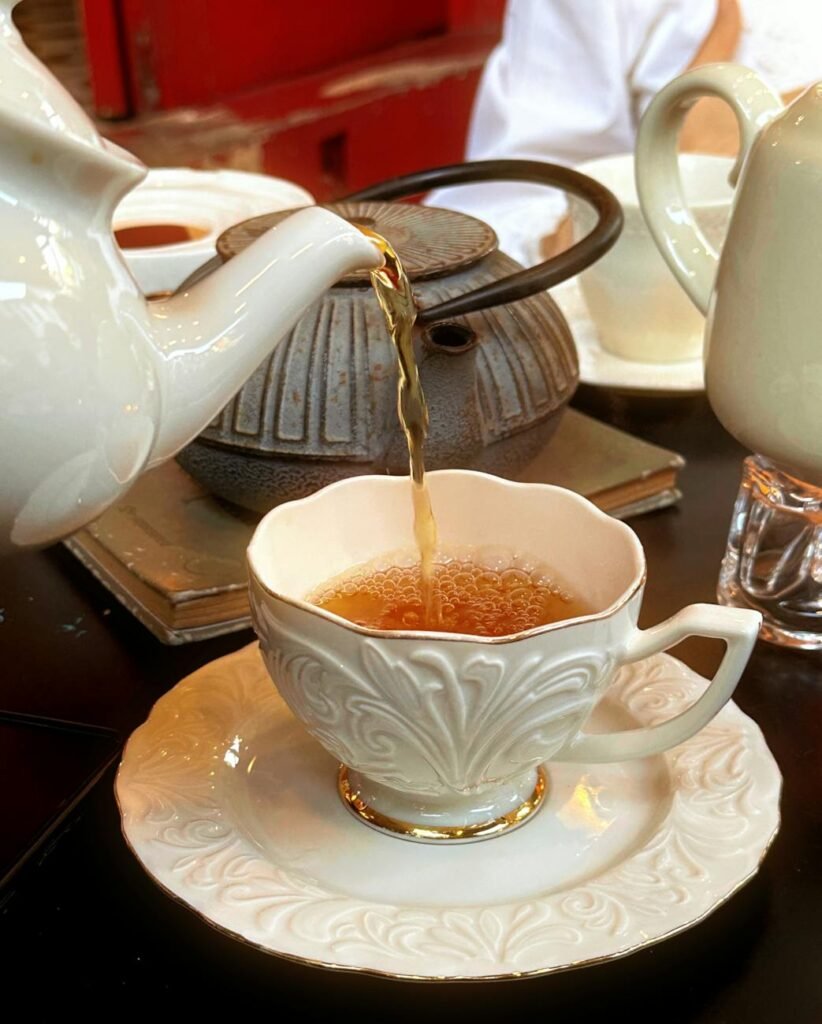
Let’s address the elephant in the tasting room: you do not need a hundred-dollar puerh cake to have a respectable Tuesday morning. Sometimes, a sturdy, cheap cup of tea is exactly what the soul demands before a chaotic commute. Yet, there are those quiet Sunday afternoons when you crave something entirely transcendent. Recognizing the distinct purpose between your reliable morning mug and a weekend sensory indulgence completely alters how you shop, brew, and sip.
Why Your Morning Routine Doesn’t Need to Break the Bank
You can easily secure incredible flavor in affordable loose leaf tea without spending a fortune, provided you understand the mechanics of mass-market blending. Daily drinkers are built for one specific purpose: unwavering consistency. When you stumble to the kitchen at 6:00 AM, you want a robust, familiar punch. You aren’t looking to analyze subtle floral notes; you just want to wake up.
The secret to keeping costs down without drinking dust is finding honest, value for money tea brands that prioritize fresh processing over fancy marketing. A solid daily drinking black tea usually relies on machine-harvested leaves from large commercial plots. Because the volume is so high, the cost drops dramatically. These blends are engineered to withstand boiling water, steep quickly, and hold their own against a heavy splash of milk. They are the dependable workhorses of your pantry.
The Anatomy of a Cup: Where Exactly Does Your Money Go?
The massive price gap between your morning brew and an artisanal tasting session comes down to intense manual labor, microscopic terroir differences, and total yield. Hand-picking rare estate teas on a steep mountainside costs exponentially more than running a mechanical harvester across flat commercial fields. Let’s look at the hard numbers and production realities that separate the two extremes.
| Feature | The Dependable Daily Brew | The Luxury Tasting Experience |
|---|---|---|
| Price Per Cup | $0.10 – $0.50 | $2.00 – $15.00+ |
| Sourcing | Mass Market Blends | Single-Origin Estates |
| Processing | Machine Harvested | Hand-Picked Artisanal |
| Infusions (Yield) | 1-2 steepings maximum | Multiple infusions (Gongfu style) |
| Packaging | Standard tea bags or bulk tins | Vacuum sealed or numbered, limited batches |
How to Squeeze Every Drop of Value from High-End Leaves
To justify the steep cost of premium artisan tea leaves, you absolutely must abandon the Western “one-and-done” steeping habit and embrace multi-infusion techniques. Treating an expensive oolong like a cheap teabag is the fastest way to pour your money down the sink. High-grade leaves are tightly rolled and meticulously processed to release their essential oils slowly over time.
This is where the Gongfu style of brewing shines. By using a high ratio of leaf to water in a tiny vessel, and doing flash-steeps of just 15 to 30 seconds, you stretch a seemingly pricey leaf into hours of layered flavor profiles. The first steep might taste like roasted barley, the third like wild honey, and the sixth like fresh orchids. If you are gifting or receiving gourmet tea tasting sets, this methodical approach is mandatory. It transforms a simple beverage into an interactive, evolving event.
Avoiding Counterfeits When Upgrading Your Stash
Navigating the high-end market requires a trusted source, as counterfeit labeling runs rampant among highly sought-after, expensive harvests. Slapping a famous mountain’s name on a mediocre batch of leaves is a remarkably common scam. You need absolute transparency regarding the harvest date, elevation, and specific cultivar.
Finding an honest seller for authentic single-origin specialty tea is exhausting. The risk of buying stale or misrepresented leaves is exactly why curators like esctea.com thoroughly vet the farm-to-cup journey before a single batch hits their store. When you are paying upwards of five dollars a cup, you are paying for provenance. Look for vacuum-sealed packaging, distinct harvest numbers, and vendors who can tell you exactly which week the leaves were plucked. Your palate—and your wallet—will thank you.
Image by: Edanur Sonkaya
https://www.pexels.com/@edanur-sonkaya-194758981