
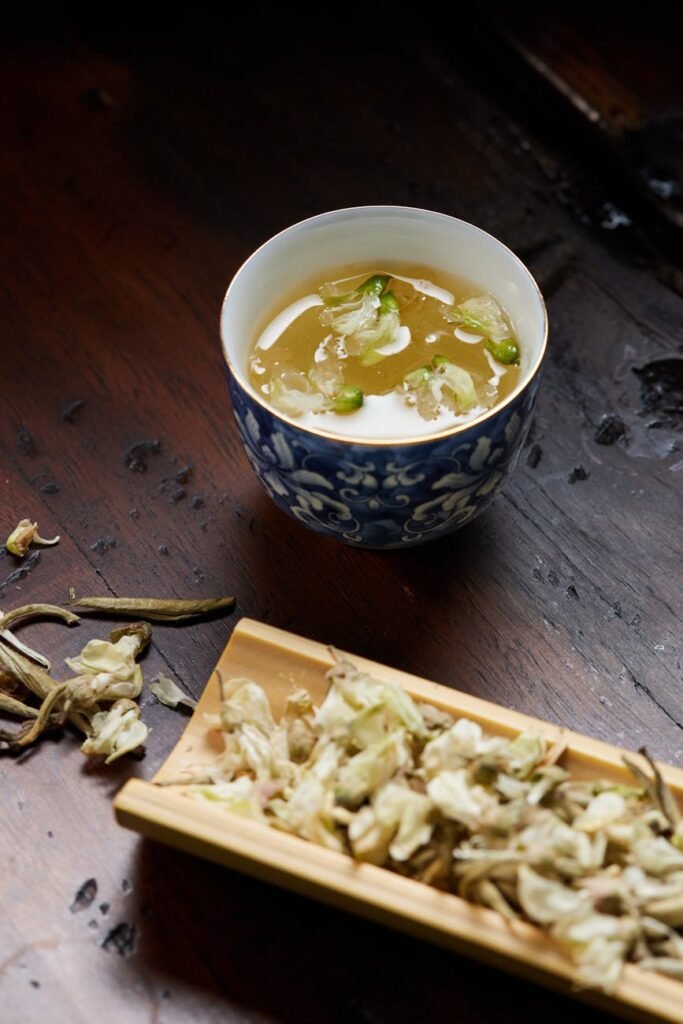
Stop Drinking Dust: The Truth Hiding in Your Pantry
Let’s get one thing straight. The dusty paper bag of leaves sitting in the back of your pantry is lying to you about what your morning cup should taste like. Most of us grew up dunking a sad, string-attached pouch into boiling water, waiting three impatient minutes, and chugging the dark, bitter liquid just to survive the morning commute. That isn’t a tasting experience. That is survival.
There is an entire spectrum of flavor hiding right under your nose, waiting for you to simply change how you steep. The leap from mindless caffeine consumption to intentional sensory appreciation doesn’t require a pretentious attitude. It just requires better leaves and a little bit of patience.
Why Your Daily Mug Tastes Identical Every Single Morning
Your everyday brew tastes exactly the same each morning because mass-market brands intentionally blend leaves from thousands of different farms to eliminate natural variation, prioritizing robotic consistency over actual character. To achieve this, factories rely heavily on the crush, tear, curl (CTC) method. The leaves are pulverized into tiny fragments.
This aggressive processing guarantees a rapid, bold extraction of caffeine to wake you up. But it completely destroys the nuance of the plant. To move beyond that flat, astringent bitterness, you need to understand how tea leaf grading systems dictate what ends up in your cup. The dust and fannings found in standard grocery store boxes are essentially the factory leftovers. Upgrading to intact, unbroken leaves completely shifts the dynamic, allowing you to finally experience true loose leaf tea quality.
The Anatomy of a Perfect Cup: Comparing Your Options
Look at the sheer mechanics of what goes into your mug. The difference between a quick morning jolt and a slow, intentional tasting session comes down to sourcing, leaf integrity, and intent. Here is exactly what separates your daily habit from a premium investment.
| Attribute | Everyday Drinkers | High-End Tasting |
|---|---|---|
| Tea Grade | CTC or Fannings (Dust) | Single Origin Full Leaf |
| Price Point | Budget-Friendly | Premium Investment |
| Flavor Profile | Consistent and Bold | Complex and Evolving |
| Sourcing | Mass Market Blends | Traceable Single Estates |
| Brewing Method | Quick Infusion / Tea Bags | Traditional Gongfu Cha |
| Best For | Daily Caffeine Hit | Sensory Appreciation |
Chasing the Phantom Notes in Your Cup
Experiencing true depth in your cup requires abandoning the “one and done” steeping method and embracing the evolution of the leaf over several short infusions. When you step into the territory of authentic artisanal tea production, the leaves aren’t meant to surrender all their flavor in three minutes. They are crafted to open up gradually.
You might notice bright honey and roasted orchid in your first pour. By the third round, those top notes fade, replaced by rich roasted nuts or damp, sweet earth. These shifting tea flavor profiles are the absolute hallmark of single-origin estates. It is incredibly similar to the massive gap between ceremonial grade vs culinary grade matcha; one is meticulously shaded and stone-ground to be savored slowly on its own, while the other is built thick and bitter to punch through the heavy fats of milk and sugar.
Pro Tip: Never judge a premium full-leaf harvest by its first steep. The leaves often need that initial flash of hot water just to awaken and unroll. The absolute best flavors usually hide in the second and third pours.
Stop Ruining Good Leaves with Bad Habits
The fastest way to destroy a premium spring harvest is by scalding it with boiling water in a massive, heat-trapping ceramic mug. To actually taste the craftsmanship of the farmer, you must adapt your technique to respect the delicacy of the plant.
Enter the art of multiple steep brewing. By using a high ratio of leaves to water in a small vessel—like a traditional gaiwan—you control the extraction perfectly, pouring the water off after just ten to twenty seconds. But let’s be honest. Finding the right gear and authentic leaves to start this journey can be wildly frustrating. Opaque supply chains make specialty tea sourcing a total minefield for beginners.
You definitely don’t want to accidentally overpay for a mass-market blend dressed up in clever, minimalist packaging. This is exactly why trusted curators like esctea.com do the heavy lifting for you, verifying the exact origin, altitude, and harvest date of every single batch before it ever hits their store. Knowing exactly where your leaves come from is the only way to guarantee you are paying for quality, not just marketing.
How to Train Your Palate Without the Pretension
Training your palate doesn’t require a sommelier certification; it simply demands that you slow down, breathe, and pay attention to the texture and aroma before you swallow. Does the liquid feel thick and buttery on your tongue? Does a sweet, floral echo linger in the back of your throat long after the cup is empty?
Start small. Tomorrow afternoon, swap out your aggressive, mass-produced tea bag for a whole-leaf oolong or a delicate white tea. Watch the leaves physically expand in the water. Breathe in the steam. You aren’t just drinking anymore. You are finally tasting.
Image by: L’atelier de Maître Ming 明记工坊
https://www.pexels.com/@l-atelier-de-maitre-ming-1477790308