
The Quietest (And Loudest) Moment of Your Wedding Day
You’ve spent months arguing over floral arrangements and distinct shades of napkin white. You have stressed over the seating chart until your eyes crossed. But let’s be honest: the singular moment your parents will actually remember isn’t the first dance. It isn’t the cake cutting. It is the moment you kneel.
The tea ceremony is the heartbeat of the day. It is the bridge between your past life as a child and your future as a partner. In a day filled with loud music and chaotic schedules, this ritual is grounding. It demands you slow down.
However, getting it right creates a specific kind of anxiety. You don’t want to accidentally insult an aunt you haven’t seen in a decade or fumble a scalding cup of tea onto your dress. Let’s strip away the confusion and look at how to execute this with grace.
Why This Ritual Matters More Than the Cake
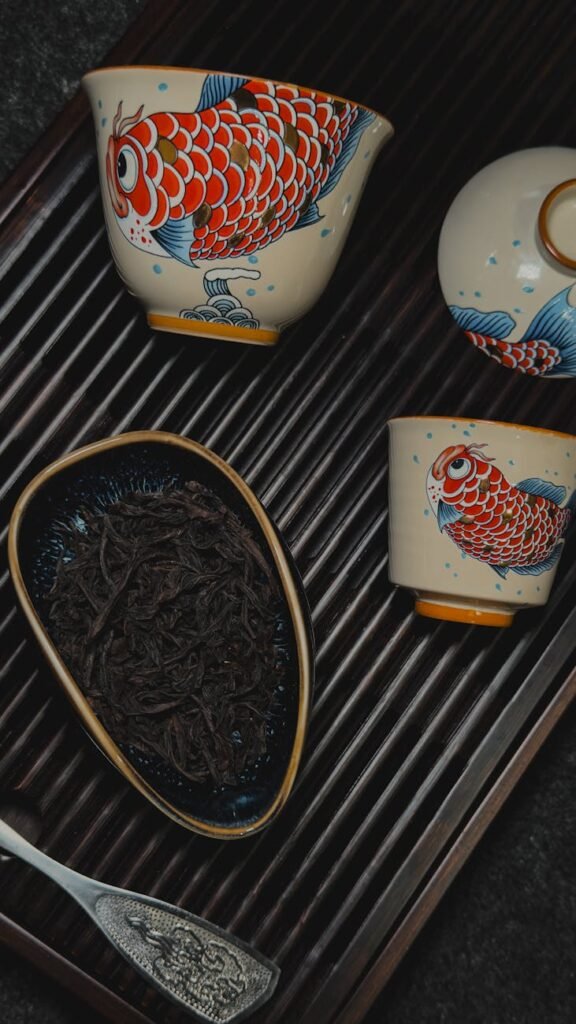
Western weddings are often about the couple; Chinese weddings are about the union of families. The Chinese wedding tea set you choose isn’t just crockery; it is a vessel for gratitude. When you hand that cup to your elders, you aren’t just quenching their thirst. You are verbally and physically acknowledging the years they spent raising you.
The atmosphere should be thick with *double happiness decor*, but the vibe is intimate. This is often the only time during the wedding frenzy where you get actual face time with the people who raised you. Don’t rush it.
Brewing Luck: What Actually Goes in the Cup?
Please, do not just throw a Lipton bag into hot water and call it a day. The liquid matters as much as the gesture. You need auspicious wedding tea ingredients to convey the right message.
Traditionally, you are brewing a sweet tea using red dates and longan tea with lotus seeds. Why? Because the Chinese language loves a good pun. The words for these ingredients sound identical to phrases wishing for “wealth,” “harmony,” and—no pressure—”having children early.”
Pro Tip: Do not serve boiling hot tea. This is a rookie mistake. You will burn your fingers, your mother-in-law will burn her tongue, and the photos will capture everyone grimacing in pain. Brew it, then let it cool to a drinkable warm temperature before the ceremony starts.
Avoiding Awkwardness: Who Drinks First?
The hierarchy is strict. Tea ceremony etiquette is not a democracy. You always serve the groom’s family first (in most traditions), starting with the parents, then grandparents, then the oldest uncles and aunts. Then you switch to the bride’s family and repeat the order.
If you have a massive family, the serving order for parents and elders can take hours. Modern couples often streamline this. You don’t have to serve the third cousin twice removed unless you really want that extra red packet.
Old School vs. New School: Structuring Your Day
There is no “tea police” that will arrest you for breaking tradition. Many couples today are blending the rigid customs of the past with the logistical realities of modern venues. Here is a breakdown of how the landscape has shifted, so you can decide which version fits your timeline.
| Feature | The Traditional Route | The Modern Adaptation |
|---|---|---|
| Location | Multiple stops. Groom’s home, then Bride’s home. | Single Wedding Venue (a hotel suite or side room). |
| Attire | Heavy embroidery Qun Kwa or Ma Gua. | Chinese wedding tradition qipao or even a Western Wedding Dress. |
| Tea Ingredients | Red dates, longan, and lotus seeds (must be sweet). | Plain red tea or jasmine tea (simplified). |
| Guest List | Extended family, elders, and anyone senior. | Immediate family only (Parents & Grandparents). |
| Exchange | Gold jewelry placed on the bride + Red packets. | Red envelopes for tea ceremony only. |
Sourcing the Right Tools
You might be tempted to buy a cheap ceramic set from a discount store, use it once, and shove it in a the back of a cabinet. Resist that urge. This set often becomes a family heirloom, passed down to the children you supposedly promised to have by drinking that lotus seed tea.
Authenticity matters here. The tactile feel of the cup adds to the gravity of the moment. Finding genuine craftsmanship can be a headache in a market flooded with mass-produced ceramics, which is why curators like esctea.com are valuable resources. They verify the origin and quality of their teaware, ensuring you aren’t serving your grandmother out of a prop that feels like plastic.
The Final Pour
Whether you wear a full gold-thread Kwa or a sleek white gown, the emotion remains the same. You are saying “thank you.” Keep the tea warm, keep your knees cushioned, and remember to look your parents in the eye when you hand them the cup. That connection is the only luck you really need.
Image by: Michael Kanivetsky
https://www.pexels.com/@mkan1vetsky