
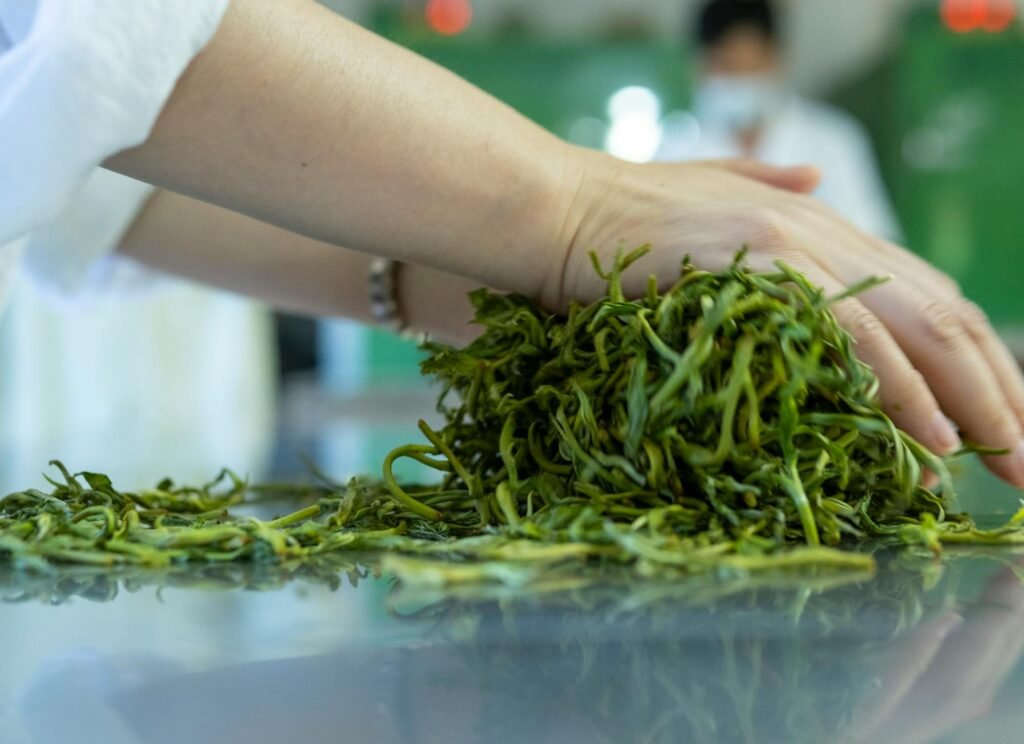
The Great Tea Leaf Identity Crisis: Why the Same Plant Tastes So Different
Picture this: You are standing in the tea aisle, staring at a wall of boxes. To your left, the green tea promises Zen-like tranquility and cellular immortality. To your right, the oolong claims to be the secret to metabolic fire. But here is the kicker that most casual drinkers miss: they are exactly the same plant.
It sounds absurd, right? How can a grassy, vegetal cup of Sencha come from the exact same shrub as a dark, woody, floral Tie Guan Yin? It all comes down to a single chemical process that happens after the leaf is plucked. Understanding this doesn’t just make you sound smart at brunch; it dictates which brew actually fits your palate and your health goals.
It’s Not About the Leaf, It’s About the Air
Think of a tea leaf like an apple. When you take a bite of an apple and leave it on the counter, it turns brown. That is oxidation. The same thing happens to Camellia sinensis oxidation levels.
Green tea is the apple that never browns. Farmers pick the leaves and immediately blast them with heat—usually by steaming (in Japan) or pan-firing (in China). This heat kills the enzymes responsible for oxidation. The result? The leaf stays green, and the flavor remains fresh, vegetal, and light.
Oolong, however, is the rebel middle child. Tea masters bruise the leaves purposefully and let them sit. They oxidize partially—anywhere from 8% to 80%—before the heating process stops the reaction. This creates a massive spectrum of complexity. If you find the grassy punch of green tea too aggressive, the smoother, semi-oxidized profile of oolong is likely what you have been hunting for.
Your Body on Tea: The Chemical Trade-Off
Because the processing is different, the chemical payload changes. You aren’t just choosing a flavor; you are choosing a specific antioxidant profile.
Green tea is famous for a reason. Since it isn’t oxidized, it retains high concentrations of EGCG (Epigallocatechin gallate). These catechins and polyphenols content are the heavy hitters for cellular defense and fighting oxidative stress. If you are drinking for long-term disease prevention, green tea is your shield.
Oolong trades some of those catechins for something equally interesting: theaflavins. During oxidation, the catechins transform. These new compounds are linked specifically to metabolism boosting benefits and fat oxidation. While no tea is a magic pill, studies suggest oolong has unique weight loss properties because it engages your body’s energy expenditure differently than green tea does.
The Cheat Sheet: What’s Actually in Your Cup?
Sometimes you just need the raw numbers to make a decision. Whether you are watching your jitters or your water temperature, the specs matter. Here is the breakdown of the caffeine content comparison and brewing requirements.
| Feature | Green Tea | Oolong Tea |
|---|---|---|
| Oxidation Level | 0% (Unoxidized) | 8% to 80% (Partially Oxidized) |
| Primary Antioxidant | EGCG Catechins | Theaflavins & Polyphenols |
| Caffeine (per 8oz) | 25-35mg | 35-55mg |
| Ideal Water Temp | 175°F (Cooler water) | 195°F (Near boiling) |
| Primary Health Focus | Cellular Health & Disease Prevention | Metabolic Health & Digestion |
Flavor Profiles: Grassy vs. The Complex Symphony
If you have ever taken a sip of green tea and thought, “This tastes like boiled lawn,” you probably burned it. Green tea is delicate. When brewed correctly, it offers a sweet, marine, or nutty profile. It is clean. It wakes up the palate.
Oolong is entirely different. Because of that partial oxidation, it develops notes that green tea simply cannot achieve. We are talking stone fruit, orchids, toasted grain, and honey. The variety is staggering. Finding a high-quality oolong can be tricky because the processing requires immense skill—it’s artisanal work. This is why specialized curators like esctea.com focus heavily on sourcing from specific regions where these traditions run deep, ensuring you aren’t getting a box of sawdust labeled as “premium tea.”
How to Brew Without Ruining It
This is where 90% of people fail. They treat all tea bags the same.
Green tea hates boiling water. It scalds the leaves, releasing tannins that make your mouth pucker with bitterness. You want water that has rested. Oolong is sturdier. It can handle higher heat, which helps unfurl those tightly rolled leaves and release the heart health benefits trapped inside.
Pro Tip: Don’t have a temperature-controlled kettle? Boil your water and pour it into your mug. Let it sit for 2 minutes before adding your Green Tea bag. For Oolong, pour it in immediately after the boil settles.
Ultimately, the choice isn’t binary. Keep green tea in your cabinet for the morning jump-start and the antioxidant flood. Keep a stash of oolong for the mid-afternoon, when you want something robust to savor that won’t give you the jitters of a double espresso.
Image by: Gu Ko
https://www.pexels.com/@gu-ko-2150570603