
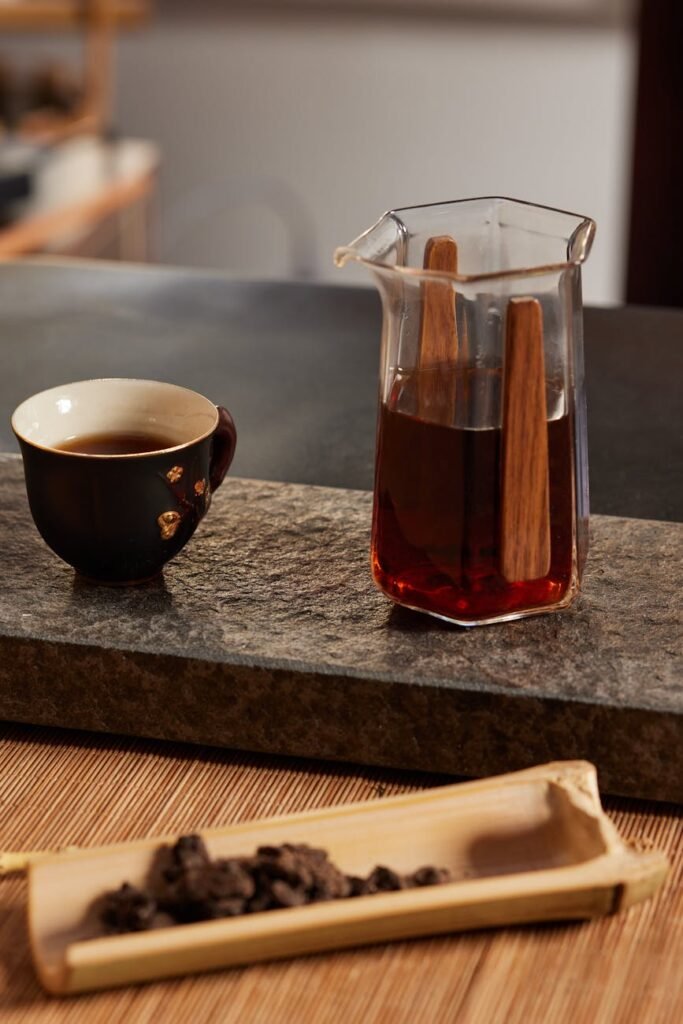
It’s the same leaf. Seriously.
Walk down the beverage aisle of any supermarket, and you’ll see the divide. On one side, the wellness gurus are clutching boxes of green tea, promising eternal youth and a metabolism of steel. On the other, the caffeine-deprived are reaching for black tea to jolt themselves awake before an 8 AM meeting.
You look at a delicate, grassy Sencha and a dark, brooding Assam, and you assume they come from entirely different worlds. Maybe different species. They don’t.
They are arguably the same leaf, plucked from the exact same Camellia sinensis plant. The difference isn’t nature; it’s nurture. It all comes down to a chemical drama called oxidation, and understanding this process is the only way to stop wasting money on leaves you don’t actually enjoy.
Why Your Tea Turns Brown (It’s Not Just Aging)
Think of a tea leaf like a sliced apple. If you take a bite of an apple and leave it on the kitchen counter for an hour, the flesh turns brown. That is oxidation. Oxygen interacts with the plant’s enzymes, changing the color and the flavor profile entirely.
Green tea is the apple the moment you slice it. Tea masters apply heat—either by steaming (common in Japan) or pan-firing (common in China)—immediately after harvest. This kills the enzymes and halts the tea oxidation process in its tracks. The result? The leaf stays green, and the flavor remains vegetal, grassy, and bright.
Black tea, however, is allowed to “rust.” The leaves are rolled and bruised to encourage maximum interaction with oxygen. They turn fully dark, developing those deep, malty, and sometimes chocolaty notes that handle milk and sugar so well.
The Cheat Sheet: What’s Actually in Your Cup
Since we are dealing with distinct chemical changes here, let’s look at the hard specs. If you are tracking your caffeine intake or trying to dial in your water kettle, this breakdown is non-negotiable.
| Feature | Green Tea | Black Tea |
|---|---|---|
| Oxidation Level | Unoxidized (0-5%) | Fully Oxidized (100%) |
| Primary Antioxidant | Catechins (EGCG) | Theaflavins |
| Caffeine (per 8oz) | Low (25-35mg) | High (40-70mg) |
| Water Temp | 160-180°F (Simmer) | 200-212°F (Rolling Boil) |
Which Brew Actually Fixes Your Body?
Green tea is the poster child for wellness, and for good reason. Because it isn’t oxidized, it holds onto high catechin concentrations, specifically a compound known as epigallocatechin gallate EGCG. That’s the heavy hitter linked to significant metabolic health benefits and cellular protection.
But don’t sleep on black tea. It isn’t “dead” nutrition; it’s just different.
When the leaves darken, those catechins transform into new compounds called theaflavins and thearubigins. These unique antioxidants are powerhouse agents for cardiovascular disease prevention, helping to manage blood pressure and cholesterol. If your goal is heart health rather than a metabolism spike, the darker brew might actually be your best ally.
Stop Burning Your Leaves: A Guide to Flavor
You probably think you hate green tea. You don’t. You just hate burnt leaves.
Because green tea is delicate, pouring boiling water (212°F) directly onto it cooks the leaves instantly, releasing tannins that taste like battery acid. You need patience. Let the kettle cool for a few minutes until it hits that 160-180°F sweet spot. The flavor should be sweet, marine, or nutty—never bitter.
Black tea is the rugged sibling. It craves the heat to extract those bold, malty flavors. If the water isn’t hot enough, your morning cup will taste like dirty dishwater.
Pro Tip: The quality of the leaf dictates the forgiveness of the brew. Commodity tea dust in paper bags will almost always go bitter fast. Whole leaf teas, like the curated selections you might find at reliable sources like esctea.com, often have a wider margin for error, allowing you to taste the terroir rather than the astringency.
The Verdict
There is no superior tea, only the right tea for the right moment. If you want a jitter-free focus boost and a dose of EGCG, grab the green. If you need a robust kick to replace your morning coffee and want to support your heart, go black.
Better yet? Drink both. Just treat them with the respect their chemistry demands.
Image by: L’atelier de Maître Ming 明记工坊
https://www.pexels.com/@l-atelier-de-maitre-ming-1477790308