
Stop Drinking Dust: How to Spot Real Quality in Your Cup
You’ve probably experienced the “tea bag regret.” You drop a generic paper square into hot water, wait three minutes, and end up with a cup of hot, brown disappointment. It lacks depth. It tastes flat. It’s functional caffeine, sure, but it isn’t an experience.
The problem isn’t you; it’s the leaf. Or rather, the lack of one.
Most supermarket aisles are stocked with what the industry politely calls “fannings” or “dust.” These are the leftovers of tea processing—the sweepings from the factory floor. To truly enjoy what the Camellia sinensis plant offers, you have to move away from the dust and look for the tell-tale signs of high-grade loose leaf tea. It’s not about snobbery; it’s about flavor chemistry. Whole leaves hold essential oils. Dust loses them to evaporation in days.
Here is how you can tell if you are buying an artisanal masterpiece or just expensive mulch.
The Anatomy of a Perfect Leaf
Pick up some dry tea. What do you see? If you are looking at whole tea leaf integrity, you should be able to identify the structure of the plant. A premium tea isn’t a mystery mix; it’s a preserved botanical specimen.
When tea is processed using orthodox tea processing methods, the goal is to keep the leaf as intact as possible. This preserves the cell walls until the moment you add water. If the dry leaf looks like brittle gravel or powder, those cells were shattered long ago, and the flavor oxidized into oblivion. You want leaves that look like they could still be growing, just dried. They should have a specific weight to them, not float away like ash.
Visual Cues for Freshness You Can’t Fake
Color never lies. When you open a tin, the contents should look vibrant. A green tea should range from a deep, oceanic emerald to a bright, grassy yellow-green. If it looks dull, grey, or brownish (and it’s not a roasted tea), walk away. That leaf is dead.
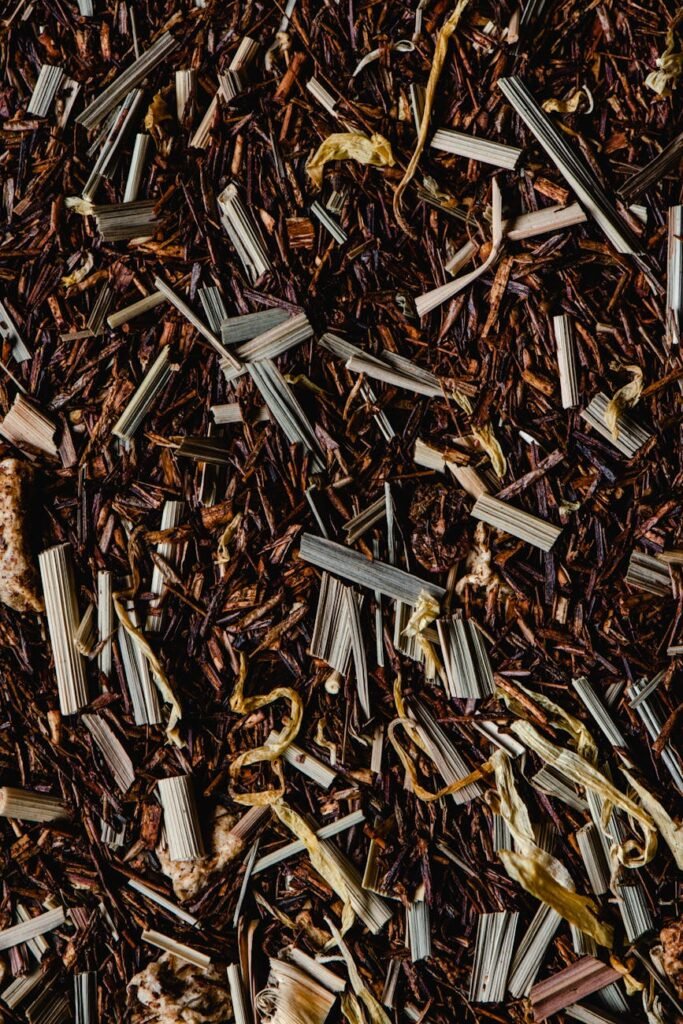
Color uniformity in tea is equally critical. A high-quality batch will look consistent. If you see a confetti mix of yellow flakes, black stems, and green bits, it usually indicates a sloppy harvest where old leaves, young leaves, and woody stalks were jumbled together. The best producers sort rigorously.
Also, look for the fuzz. On white teas and high-end green teas, you might see tiny, hair-like trichomes on the buds. This “down” creates a soft mouthfeel and proves the tea was harvested early in the spring. It’s a texture thing.
The Cheat Sheet: Premium vs. Mass-Market
Sometimes you just need the specs. Since specific physical attributes separate the top-tier from the trash, here is the breakdown of what your eyes and fingers should be looking for.
| Feature | Premium Loose Leaf | Mass-Market Tea |
|---|---|---|
| Leaf Integrity | Whole and intact; retains structure. | Broken, crushed, or “fannings” (dust). |
| Color Uniformity | Consistent, vibrant, and distinct. | Dull, brownish, or greying mix. |
| Bud Presence | High ratio of buds (sweetness/complexity). | Mostly mature leaves or woody stems. |
| Surface Texture | Supple, oily sheen, or downy fuzz. | Brittle, dry, and dusty. |
| Steeping Result | Leaves unfurl fully to original shape. | Remains small; creates muddy sediment. |
Why the “Agony of the Leaves” Matters
There is a poetic term in the industry called the “agony of the leaves.” It refers to the moment hot water hits the dry tea and the leaves begin to uncurl and stretch. This is your final test.
If your tea just sits there as a wet lump at the bottom of the pot, it’s low quality. However, if you see a dramatic expansion—where a tiny rolled ball expands into a full two-inch leaf—you have struck gold. This expansion releases the complex flavor compounds slowly, allowing for multiple infusions. This is the heart of artisanal tea production: creating a leaf that performs in the pot.
Pay attention to the tea bud to leaf ratio as they rehydrate. A high concentration of small buds usually indicates a sweeter, more nuanced brew, whereas large, leathery leaves will provide a bolder, more tannic cup. Both have their place, but knowing the difference prevents you from overpaying for coarse leaves disguised as premium.
Finding the Good Stuff
You can spend years training your eye, or you can find a source that filters out the noise for you. The challenge with buying online is that you can’t touch or smell the product through a screen. You have to rely on trust and curation.
This is where specialized vendors bridge the gap. Platforms like esctea.com focus on sourcing teas that pass these strict visual and sensory checks before they ever get listed. It removes the gamble of ordering a “premium” bag only to open it and find dust.
Next time you brew, take a second look at what’s in your spoon. If it looks like it was swept off a floor, toss it. Life is too short for bad tea.
Image by: Eva Bronzini
https://www.pexels.com/@eva-bronzini