
Stop Drinking Dust: How to Spot Fake “Premium” Tea in Three Seconds
You know that sinking feeling when you crack open a tin of “luxury” tea, having just dropped a small fortune on the packaging, only to find the contents look like the bottom of a lawnmower bag? We have all been there. It’s the great disconnect in the tea industry: beautiful boxes often hide mediocre leaves. But you don’t need a sommelier’s certification to stop getting ripped off. You just need to know what a healthy leaf looks like before it hits the hot water.
Most people rely on price tags to gauge quality, but that is a rookie mistake. Marketing budgets don’t flavor your morning brew; the integrity of the leaf does. Let’s fix your radar.
Ignore the Box, Inspect the Leaf Integrity
Mastering loose leaf tea evaluation isn’t about wearing a lab coat; it starts with a simple glance at consistency. When you open that bag, you are looking for structural wholeness. A high-grade tea should look like it came from a plant, not a blender. If the leaves are pulverized into indistinguishable bits, you are likely looking at the leftovers of the production process—often called “fannings” or dust.
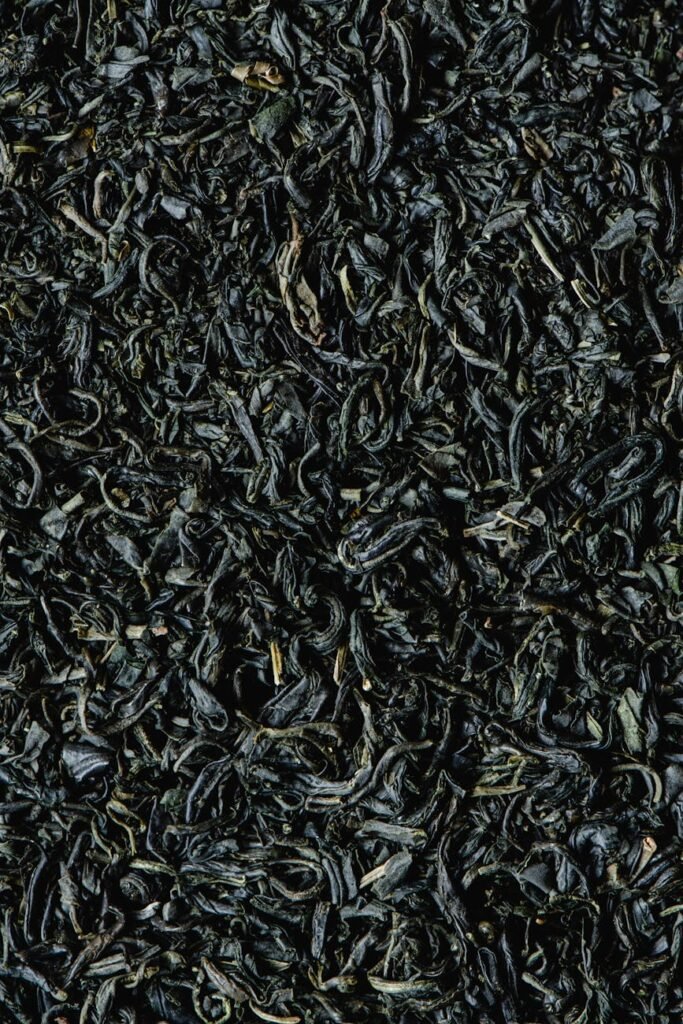
Whole leaf vs broken tea is the most immediate indicator of how the producer treated the harvest. Did they hand-pluck it with care, or did a machine chew it up? You want leaves that maintain their original shape or are rolled artistically. If you see a pile of jagged shards, put it back on the shelf. Those broken edges release tannins too quickly, leading to that bitter, astringent bite that makes your mouth feel dry.
The “Squeeze Test” and Color Consistency
Your fingers can tell you more about freshness than the expiration date ever will. If you have the chance to touch the dry leaf (or at least look closely through a clear window), pay attention to the texture. Artisanal tea selection relies heavily on moisture content. A good leaf should feel supple and possess a certain elasticity, even when dry. It resists crumbling.
Conversely, if the leaf disintegrates into powder the moment you apply pressure, it’s old. It’s brittle. It’s dead. Combine this tactile test with a check on dry leaf color consistency. You want vibrancy. A green tea should look lush and oily, not grey or yellowed. A black tea should have a glossy sheen, not a flat, matte finish that looks like charcoal. Uneven coloring usually implies the batch was blended from different harvest dates—a classic cost-cutting move.
The Cheat Sheet: Your Quality Audit
Sometimes you just need the raw specs to make a decision. Since we are dealing with specific material differences here, let’s break down exactly what separates the top-tier harvests from the floor sweepings.
| Attribute | High-Quality Indicators | The Red Flags (Avoid) |
|---|---|---|
| Leaf Integrity | Whole, uniform, and structurally sound. | Broken shards, dust, and jagged fragments. |
| Color Profile | Vibrant, glossy, and consistent throughout the batch. | Dull, uneven, matte, or greyish. |
| Infusion Clarity | Crystal clear, bright, and luminous. | Cloudy, murky, or muddy opacity. |
| Texture (Touch) | Supple, elastic, and heavy in the hand. | Brittle, dry, and crumbles instantly. |
| Stems & Twigs | Minimal, tender, and intentionally placed. | Excessive, woody, and clearly filler material. |
Pro Tip: Memorizing this chart is useful, but it takes time to train your eye. This is why sourcing from vetted curators like esctea.com saves you the headache. They verify these physical attributes—rejecting the brittle and the broken—before the tea ever gets listed.
Reading the Liquor: What the Water Tells You
The final exam happens in your cup, where tea liquor clarity reveals the truth about processing. Once you brew the leaves, hold the liquid up to the light. You are looking for brilliance. Whether it’s a deep amber Assam or a pale Jade Oolong, the liquid should be transparent and bright.
Murkiness is the enemy. A cloudy cup often indicates suspended dust particles or, worse, chemical residues and improper fermentation. Premium tea grading prioritizes this “shine” in the liquor. It proves the tea was handled gently from the bush to the pot. If your tea looks like swamp water, it’s going to taste like it, too. Trust your eyes; if the infusion lacks sparkle, the flavor profile will almost certainly lack depth.
Image by: Eva Bronzini
https://www.pexels.com/@eva-bronzini