
Stop Drinking Dust: How to Spot Top-Tier Tea Before You Brew
We’ve all been there. You steep a tea bag, expecting a moment of Zen, and end up with a mug of brown, bitter water that tastes vaguely of cardboard. It’s the culinary equivalent of listening to a symphony through a blown-out speaker. The problem usually isn’t your water temperature or your steeping time. It’s the leaf itself.
Or rather, the lack of one.
Most commercial tea isn’t actually “leaf” at all. It’s the sweepings left on the factory floor. Distinguishing the good stuff from the industrial runoff doesn’t require a PhD in botany. You just need to know what to look for. Let’s strip away the marketing fluff and look at the raw mechanics of quality.
The Eye Test: Why Ugly Leaves Make Bad Tea
Before you even boil the kettle, dump the tea out. Seriously. Pour it into your hand or onto a white plate. What you see is the single biggest predictor of flavor.
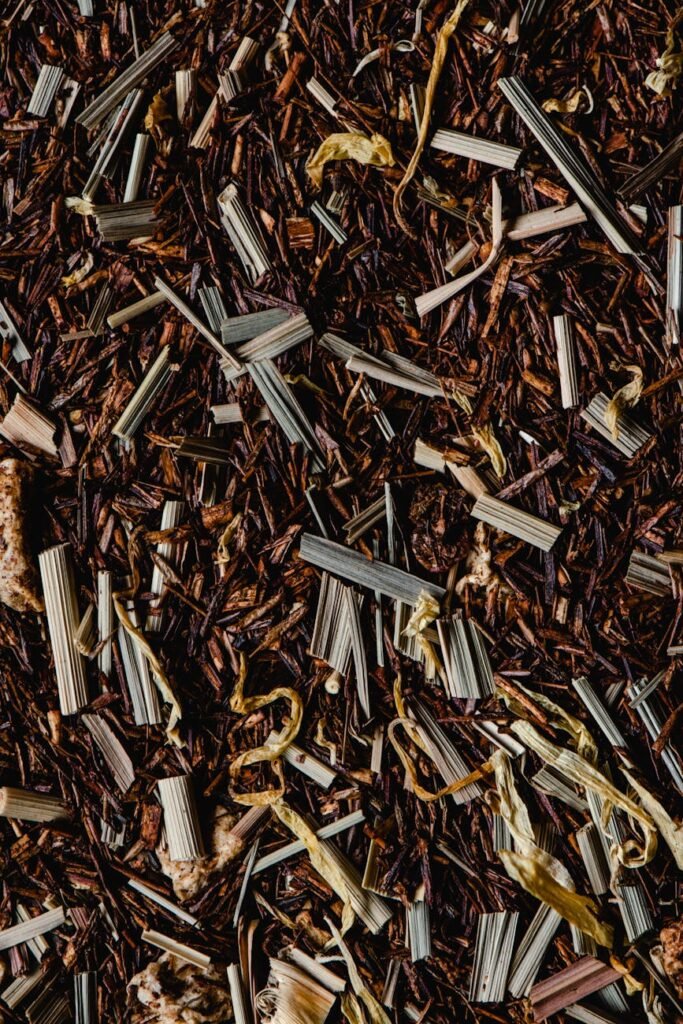
High-grade tea demands a uniform leaf shape. If you see a chaotic mix of large chunks, small bits, and powder, you are looking at a “chop.” This inconsistency kills flavor. The small bits over-extract and turn bitter instantly, while the large chunks barely wake up. You want consistency. When you look at a premium whole leaf tea grade, the pieces should look like clones of one another.
Check the shine, too. Fresh, oil-rich leaves have a vitality to them. We call this the luster of dry leaves. If the tea looks gray, flat, or chalky, it’s dead. It has dried out completely and lost the essential oils that carry the aroma. High-quality leaves should look almost waxy or luminous, promising that the flavor is still locked inside.
Get Hands-On: The Secret of the Hairs
Texture tells a story that color cannot. If you are handling a high-end white or green tea, look closely—use a magnifying glass if you have to. You are looking for tea leaf trichomes.
These are tiny, microscopic hairs on the bud. On a premium batch of silver needle downy buds, these hairs create a soft, fuzzy texture that feels almost like velvet. Why does this matter? Those hairs entrap the aromatic compounds. A bald, brittle leaf is often an old leaf.
Also, look at the structure. Tightly rolled tea leaves (like in Oolongs or Gunpowder tea) indicate careful processing meant to preserve freshness over time. If the leaf crumbles into dust the second you touch it, it’s past its prime. Good tea has elasticity. It should resist you slightly.
The Cheat Sheet: Quality at a Glance
Sometimes you need to cut through the noise and just compare specs. Here is the breakdown of what separates a prize-winning harvest from the stuff in the breakroom pantry.
| Feature | High-Quality Tea | Low-Quality Tea |
|---|---|---|
| Leaf Integrity | Intact whole leaves | Dust and fannings |
| Color Appearance | Vibrant and consistent | Dull and variegated |
| Surface Texture | Soft downy hairs | Brittle and dry |
| Size Uniformity | Even and calibrated | Irregular and mixed |
| Brew Clarity | Translucent and bright | Cloudy and sediment-heavy |
The Proof is in the Pour
Once the water hits the leaf, there is nowhere for bad quality to hide. You are looking for a bright tea infusion color. Whether it is the deep amber of a roasted Oolong or the pale jade of a Sencha, the liquid should be clear.
Murkiness is the enemy. A cloudy brew usually means there is too much dust suspended in the water, releasing tannins too quickly. This creates that mouth-drying astringency that makes you reach for the sugar bowl. A high-quality steep will be translucent, glowing with light.
Finally, examine the wet leaves after you drink. This is the autopsy. High-grade leaves will unfurl and return to their original shape. You might even notice the serrated leaf edges are intact, proving the leaf was plucked with care rather than machined. If the wet leaves look like a pile of brown mush, you were drinking fannings.
Finding this level of quality in a standard supermarket is nearly impossible because mass distribution favors shelf life over leaf integrity. This is why serious drinkers turn to dedicated curators. Platforms like esctea.com exist specifically to verify these traits—checking for whole leaves and proper harvest dates—so you aren’t gambling on a box of expensive dust.
Image by: Eva Bronzini
https://www.pexels.com/@eva-bronzini