
I once watched a well-meaning barista take a delicate, high-grade Dragonwell green tea and blast it with boiling water. The result? A cup of bitter, astringent soup that tasted more like stewed spinach than the fresh, nutty elixir it was supposed to be. It was a tragedy in a mug.
We treat coffee with scientific precision, yet we often toss any dried leaf into water and hope for the best. But when you look at the spectrum of regional tea cultivation in China, you are dealing with two distinct animals. On one end, you have Green tea: the freshness of spring captured in glass. On the other, Pu-erh: a dark, brooding history lesson that gets better the longer you ignore it.
If you want to stop drinking bad tea, you need to understand why these two behave so differently.
Fresh vs. Fermented: The Science of the Leaf
Think of Green tea as a fresh apple and Pu-erh as a fine wine. The health benefits of camellia sinensis are present in both, but the delivery system changes entirely based on how the leaf is handled immediately after plucking.
Green tea is “fixed” (heated) almost immediately to stop oxidation. It is frozen in time. The goal is to keep it green, grassy, and vibrant. Pu-erh, specifically the “shou” (ripe) variety, undergoes a microbial fermentation process. It is alive. It changes. While Green tea is racing against the clock to stay fresh, Pu-erh is playing the long game, developing depth through authentic tea tasting notes that range from wet stone to dark chocolate.
The Cheat Sheet: How to Brew Without Ruining It
This is where most people fail. You cannot treat these teas the same. Because Green tea is unoxidized, it is fragile. Pu-erh is fully fermented and hardy; it needs heat to wake up.
Here is the breakdown of the physics involved. Use this to dial in your next session:
| Metric | Green Tea (The Delicate) | Pu-erh Tea (The Heavyweight) |
|---|---|---|
| Oxidation Level | Unoxidized (0%) | Fully Fermented (Post-oxidized) |
| Water Temperature | 175°F (80°C) – Cool it down! | 212°F (100°C) – Full boil |
| Steeping Time | 1-2 Minutes | 3-5 Minutes (or flash steeps) |
Flavor Profiles: What Are You Actually Drinking?
Numbers are great, but let’s talk about what happens on the palate. If you crave something bright, vegetal, and crisp, Green tea is your lane. It hits with notes of cut grass, toasted nuts, and sometimes a savory umami kick (especially in Japanese varieties). It is a morning wake-up call.
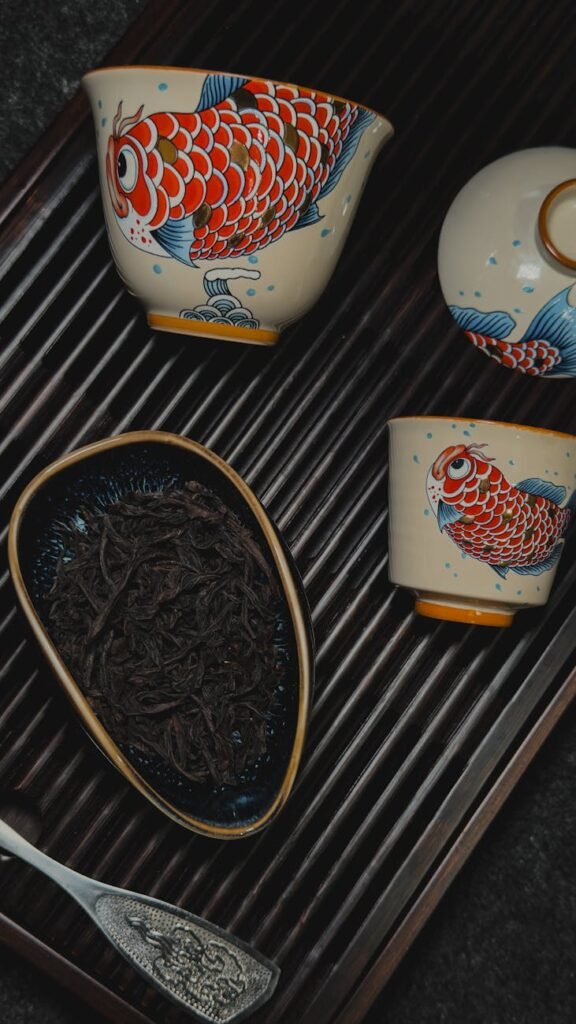
Pu-erh is the evening library session. It tastes earthy, woody, and sometimes like a damp forest floor—in the best way possible. It is thick and coating. If you are using the Gongfu brewing method (high leaf-to-water ratio, short steeps), Pu-erh reveals layers of complexity that a standard western brew just misses.
Pro Tip: Shelf life is the biggest differentiator here. Green tea fades after a year; it is best consumed fresh. Pu-erh improves with age, sometimes appreciating in value for decades.
Navigating the Market
Getting your hands on the good stuff can be tricky. The tea market is flooded with low-grade leaves masquerading as premium product. This is particularly dangerous with Pu-erh; bad fermentation can lead to fishy, off-putting flavors that ruin the experience forever.
You need a curator who understands the provenance. Sourcing clean, well-stored cakes is why enthusiasts turn to specialized vendors like esctea.com, who verify the origin before the tea ever hits the shelf. It saves you the headache of guessing whether that “aged” tea is actually vintage or just old.
Expanding Your Palate
Once you master the extremes of Green and Pu-erh, the rest of the tea world opens up. You might find yourself exploring high mountain oolong varieties, which sit comfortably in the middle—oxidized enough to have body, but floral enough to feel light. Or perhaps you will dive deeper into Chinese tea ceremony traditions to refine your pouring hand.
But start here. Respect the temperature. Watch the clock. And for the love of the leaf, don’t burn your Green tea.
Image by: Michael Kanivetsky
https://www.pexels.com/@mkan1vetsky