
Stop Drinking Tea. Start Eating It.
There is a fundamental misunderstanding about what happens when you pour hot water over dried leaves. Most of us see it as extraction. We coax flavor out of the plant, toss the soggy remains in the compost, and sip the ghost of the tea. That is the way of traditional loose leaf.
Matcha demands something different.
With matcha, there is no waste. There is no ghost. You are consuming the leaf itself, ground into a microscopic dust that hangs suspended in the water. It’s the difference between smelling a rose and eating one. This distinction isn’t just about texture; it completely alters the chemical and spiritual impact the plant has on your body.
Why Your Morning Routine Matters More Than You Think
The choice between ritualistic tea drinking involving loose leaves and the intense preparation of powdered tea often comes down to what you need your brain to do for the next four hours.
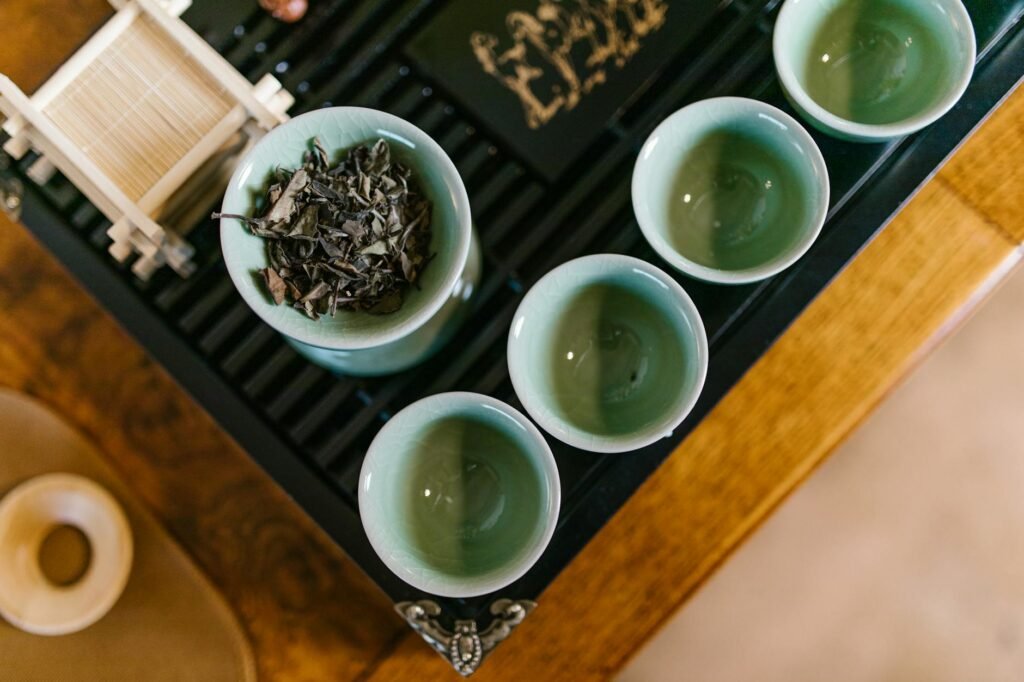
When you brew high-grade loose leaf—think a silver needle or a roasted Oolong—you are engaging in a sensory wash. The health benefits of Camellia sinensis are present, but they are delivered gently. It is a slow drip. You steep, you wait, you pour. The aroma fills the room. It is passive.
Matcha is active. It requires tools. You need a chasen (whisk), a bowl, and wrist action. The data on this is clear: the preparation method shifts from steeping leaves to whisking powder. This isn’t just mechanics; it’s a shift in mindset. You are forced to focus on the froth, the temperature, and the suspension. It wakes you up before the caffeine even hits your bloodstream.
PRO TIP: The L-Theanine Spike
Because you consume the entire fiber of the leaf in matcha, the concentration of longevity compounds changes drastically. You aren’t just getting a caffeine buzz; you are getting a massive dose of L-theanine. This amino acid crosses the blood-brain barrier to smooth out the jitters, creating what monks call “alert calm.” While loose leaf offers a moderate catechin profile, matcha provides an extremely high antioxidant level simply because nothing is thrown away.
The Biology of Focus and Aging
We often look at blue zone dietary habits to understand why people in certain regions, like Okinawa, live past 100 with their faculties intact. Tea is almost always the common denominator. But the type of tea dictates the density of the nutrients.
Cognitive function and L-theanine are inextricably linked. If your goal is deep work—coding, writing, strategizing—the suspension of matcha acts like high-octane fuel. It’s potent. Grassy. Vegetal. It doesn’t apologize.
However, not every moment requires a jet engine. Sometimes you need a bicycle ride. This is where artisanal tea preparation of loose leaf shines. The mindfulness focus here shifts from the meditative process of whisking to the sensory aroma of the steep. It connects you to the earth differently. It is about patience. Watching a tea pearl unfurl in a glass pot offers a visual lullaby that a bowl of green froth cannot replicate.
Sourcing Authenticity in a Flooded Market
Here is the hard truth about the tea industry: a lot of what is sold as “ceremonial” is actually culinary grade dust repackaged with a fancy label. True Zen Buddhist tea culture respects the origin of the leaf. The soil composition, the shading method used weeks before harvest, and the stone-grinding speed all matter.
If you buy cheap matcha, it tastes like fish and bitter grass. If you buy cheap loose leaf, it tastes like cardboard.
Finding the good stuff requires a filter. You need a source that vets the farms for heavy metals and proper shading techniques. This is where specialized curators become essential. Platforms like esctea.com don’t just stock inventory; they verify the pedigree of the leaves, ensuring that whether you are looking for a traditional Japanese Matcha ceremony grade powder or a wild-harvested Pu-erh, you aren’t drinking pesticides.
How to Decide Which Cup You Need Today
Don’t look at this as a binary choice. It’s a toolkit for your mental state.
- Choose Loose Leaf When: You have time. You want to relax. You want to appreciate the subtle notes of orchid, honey, or wood. You want spiritual wellness and aging support without the adrenaline.
- Choose Matcha When: You have a deadline. You need to meditate but feel too scattered to sit still. You want the maximum biological payload the plant can offer.
The leaf is the same. The experience is opposite. One asks you to slow down; the other asks you to wake up.
Image by: RDNE Stock project
https://www.pexels.com/@rdne