
The Camera Eats First: When Ancient Leaves Meet Modern Feeds
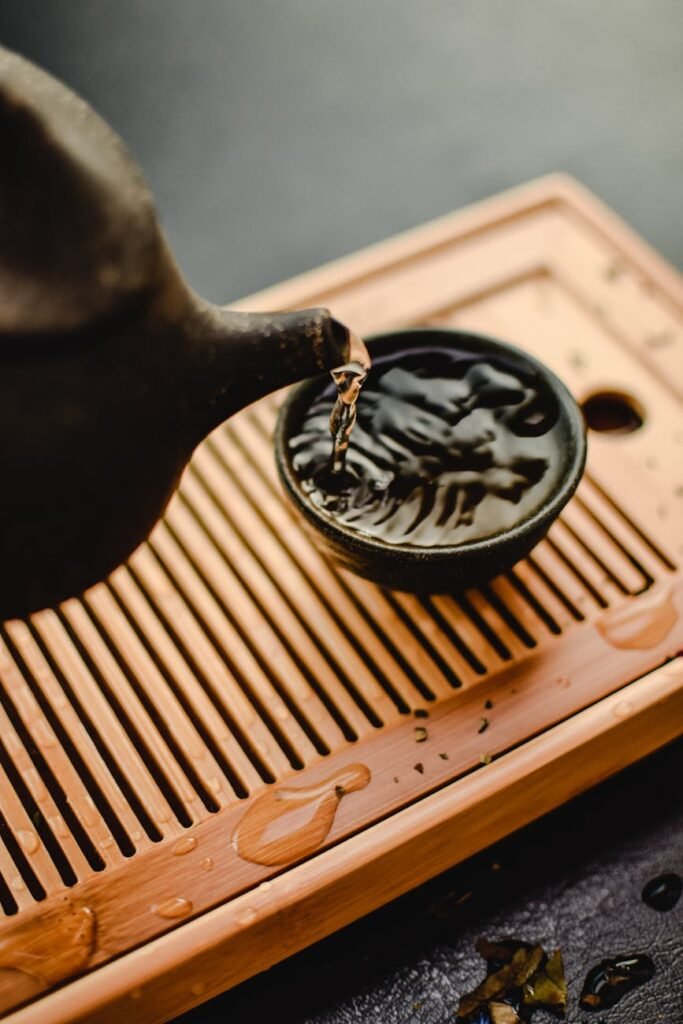
The steam rises in a perfect, distinct curl. The clay pot is unglazed, rustic, and impossibly chic against the minimalist concrete background. But before the aroma of the roasted oolong even hits your nose, the shutter clicks. Once, twice, three times.
Welcome to the new era of steeping. It used to be that tea was a quiet, solitary rebellion against the noise of the world. Now? It’s a broadcast.
We are witnessing a massive shift in how the world’s oldest beverage is consumed, perceived, and purchased. It is no longer just about the terroir or the fermentation level; it is about the vibe. If you think this is just superficial, think again. This visual revolution is actually saving traditional tea culture from fading into obscurity, handing the baton to a generation that cares as much about Gongfu tea ceremony aesthetics as they do about the caffeine kick.
From Taste Buds to Retinas
Let’s be honest. You can’t taste a JPEG. Yet, visual storytelling in tea marketing has become the primary driver for sales in the last five years. High-definition macro shots of tea leaves unfurling in hot water trigger a sensory response that is almost Pavlovian. It’s texture you can feel through a screen.
This creates a unique challenge. How do you communicate flavor without a tongue? You use color, light, and props. The rise of artisanal Chinese tea brands isn’t just about better farming practices; it’s about better art direction. They aren’t selling a bag of dried leaves; they are selling a moment of Zen in a chaotic day.
Gen Z tea consumption trends prove this. Younger drinkers aren’t looking for Lipton bags in a chipped mug. They want the ritual. They want the gaiwan. They want the setup that screams “I have my life together,” even if they’re stressed out of their minds.
The Data Breakdown: Heritage vs. Hype
The gap between how your grandfather drank tea and how a 22-year-old influencer drinks it is wide. But understanding this gap is where the magic happens.
| Feature | The Old Guard (Traditional) | The Viral Era (Modern) |
|---|---|---|
| Primary Audience | Older Connoisseurs & Collectors | Gen Z & Millennials |
| Platform Focus | Physical Tea Houses | Instagram, TikTok & Little Red Book |
| Visual Priority | Sensory Experience (Taste/Smell) | Aesthetic Presentation (Lighting/Mood) |
| Information Source | Heritage Tea Masters | Digital Content Creators |
The “Little Red Book” Effect
If you aren’t watching the East, you’re missing the future. In China, Little Red Book tea influencers (Xiaohongshu) are the kingmakers. They have transformed tea from an “old person’s habit” into a high-fashion accessory. These creators mix fashion, travel, and rare vintages into a seamless lifestyle feed.
This isn’t just vanity. It’s education disguised as entertainment. Through 15-second clips, millions are learning the difference between raw and ripe Puerh. They are learning why the clay matters. They are learning to respect the leaf.
However, this digital explosion brings a risk: deception. A tea cake can look beautiful on camera but taste like wet cardboard in real life. Or worse, it could be laden with pesticides. This is where the source becomes your only safety net. You can’t rely on the algorithm to vet quality. If you are serious about purity, you need gatekeepers who prioritize the lab report over the lighting. Establishments like esctea.com have built their reputation not just on having pretty packaging, but on rigorous curation standards that ensure what’s in your cup matches the promise on your screen.
The Third Space: Modern Tea Houses
The digital trend is finally spilling back into the physical world. We are seeing a resurgence of modern tea house culture. These aren’t the dusty, dark rooms of the past. These are bright, architectural marvels designed to be photographed.
But they serve a deeper purpose. They act as sanctuaries. In a world of constant notifications, sitting down for a Gongfu session forces you to slow down. You have to wait for the water to boil. You have to wait for the steep. You have to wait for the tea to cool.
Quick tips for spotting a quality modern tea house:
- The Smell: It should smell like dry leaves and wood, not air freshener or stale food.
- The Water: Do they pay attention to water temperature? Boiling water burns Green tea. If they don’t know that, run.
- The Ware: Are they using proper brewing vessels? The vessel dictates the flavor profile.
Investing in Liquid Gold
Here is the final twist. This surge in popularity has turned tea into an asset class. Rare puerh tea investment is real. Much like fine wine or crypto, the value of aged cakes is skyrocketing as demand outpaces supply. The younger generation realizes that a well-aged cake is a store of value that you can eventually drink.
But tread carefully. The market is flooded with fakes. Buying an investment-grade tea requires more than just a good eye; it requires a trusted partner. Whether you are browsing a boutique in Kyoto or scrolling through collections at esctea.com, always look for transparency in sourcing. Ask about the year, the mountain, and the storage conditions.
So, go ahead. Take the photo. Post it. Share the aesthetic. But once the phone is down, close your eyes. Inhale. And let the tea speak for itself.
Image by: Eva Bronzini
https://www.pexels.com/@eva-bronzini