
The Great Green Divide: Why Your Morning Cup Tastes Like Grass (And How to Fix It)
You know that feeling. You’re standing in the aisle, staring at tin after tin. They are all green. They all promise energy without the jittery crash. But one costs five dollars and the other costs fifty. What gives?
For most people, the experience of drinking green tea falls into two camps: it’s either a sublime, savory experience that wakes up the brain, or it tastes like you just licked a lawnmower blade. If you’ve suffered through the latter, it’s not your fault. You’ve likely been drinking low-grade dust masquerading as tea, or—and this is common—you’re burning the leaves alive.
Getting into this world isn’t about memorizing chemical formulas. It’s about understanding a simple fork in the road: the difference between the leaf you steep and the leaf you eat.
Sunlight vs. Shadows: The Chemistry of Flavor
Most plants love the sun. It helps them grow big, strong, and fast. But in Japan, farmers play a dangerous game with light. When exploring **Japanese green tea varieties**, you quickly realize that sunlight—or the lack of it—changes everything.
Standard Sencha grows in full sun. It’s robust. It’s sharp. It’s refreshing. However, about three weeks before harvest, some farmers throw massive tarps over their fields. This stress forces the **shade-grown tea leaves** to panic. They pump out chlorophyll and amino acids to survive the darkness. This process is where the magic happens.
That struggle in the dark boosts the **l-theanine content**, the compound responsible for that “calm focus” everyone raves about. It’s nature’s way of apologizing for the caffeine kick.
To Steep or To Whisk?
Here is where the confusion usually peaks. Are you making a soup or an extraction?
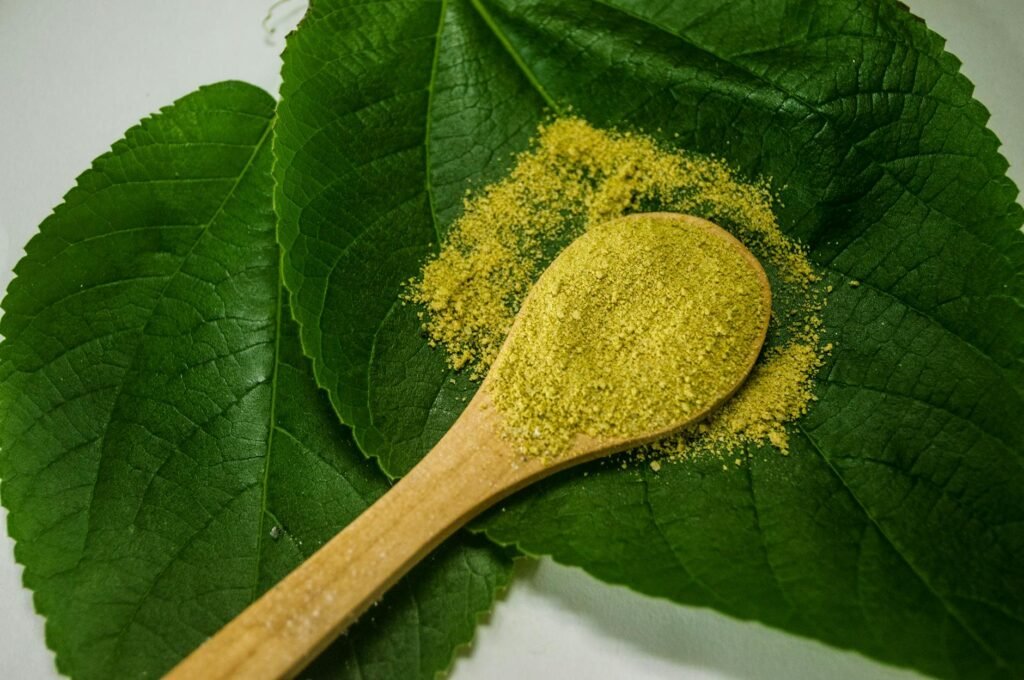
With Sencha (the sun-grown stuff), you are washing the flavor off the leaf. You use hot water to pull out the essence, then you discard the wet leaves. But Matcha is different. It is the whole leaf, de-stemmed, de-veined, and ground into **ceremonial grade powder**.
When you drink Matcha, you are consuming the entire plant. This means you are getting 100% of the **health benefits of catechins** and antioxidants available, rather than just the fraction that dissolves in water. But because you are eating the leaf, quality is non-negotiable. This is why sourcing matters. You can grab a generic bag off a dusty shelf, or you can look for curators like esctea.com, who verify that the “ceremonial” label actually means something before it ships. If you buy cheap powder, you are essentially drinking bitter dust.
The Tale of the Tape
Let’s break down exactly what you’re putting in your body. The differences aren’t subtle.
| Feature | Sencha (The Daily Drinker) | Matcha (The Powerhouse) |
|---|---|---|
| Physical Form | Whole Loose Leaf (Steamed & Rolled) | Stone-ground Micro-powder |
| Farming Method | Sun-grown (Photosynthesis heavy) | Shade-grown (20-30 days pre-harvest) |
| The Ritual | Steeping in hot water (Infusion) | Whisking into water (Suspension) |
| Taste Notes | Refreshing, Grassy, Astringent | Rich, Creamy, Heavy Umami |
| Caffeine Kick | Moderate (20-30mg) | High (70mg – almost like coffee) |
| Antioxidant Intake | Water-soluble extract only | 100% Whole leaf ingestion |
Stop Burning Your Leaves
You have the right tea. You have the right gear. Now, please, put the boiling water away.
If you pour boiling water (100°C/212°F) onto Japanese green tea, you scald the leaves. The heat destroys the sweet amino acids and releases tannins instantly. Tannins are bitter. That creates the “lawnmower” taste.
Mastering **loose leaf brewing methods** requires patience and a thermometer (or a good guess). For Sencha, aim for 70°C-80°C (160°F-175°F). For high-grade Matcha, you can go even lower. You want to coax the flavor out, not bully it.
Chasing the Fifth Taste
What are you actually looking for? It’s not sugar sweetness. It’s the **umami flavor profile**. It’s that savory, broth-like richness found in seaweed, parmesan cheese, and perfectly shaded tea. High-quality Gyokuro or Matcha should almost taste like a vegetable soup stock upon the first sip. It’s weird at first. Then it becomes addictive.
Finding that perfect balance of umami requires fresh leaves. Old tea loses its savory punch and just turns flat. If you are tired of guessing which supermarket tins have been sitting there since 2019, checking the harvest dates on sites like esctea.com can save you a lot of disappointment. Freshness is the only metric that truly counts.
Your Next Cup
Don’t overcomplicate it. You don’t need a bamboo whisk carved by a monk on a mountaintop to enjoy this stuff (though it helps). You just need to respect the leaf. Lower your water temperature. Buy smaller quantities more frequently to ensure freshness. Understand that the bitterness you used to hate was likely just bad preparation.
Once you taste the real thing—that thick, vibrant green foam or that needle-point clear dew—you’ll understand why people have been obsessing over this for eight hundred years. Drink up.
Image by: Monica Escalera
https://www.pexels.com/@monica-escalera-235377717