
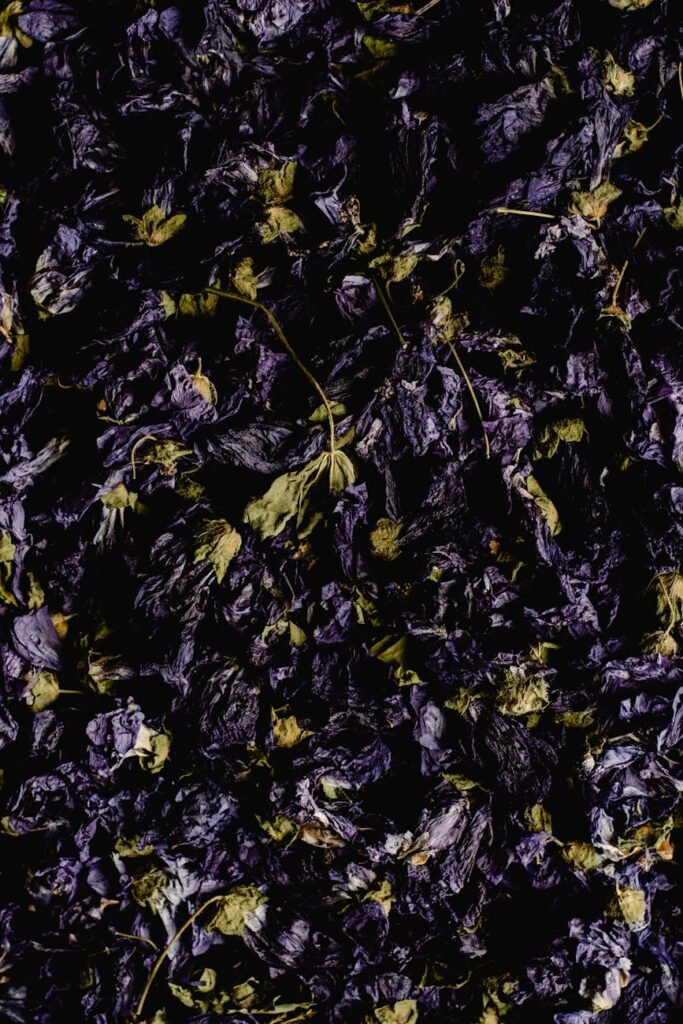
Stop Drinking Dust: The Truth About What’s In Your Cup
You know that bitter, brown sludge you usually get from the breakroom pantry? The one that requires two packets of sugar just to be palatable? Let’s be real for a second: that isn’t tea. It’s the sweepings left on the factory floor.
Most people think tea is just “hot leaf juice,” but there is a massive chasm between the sad, paper-wrapped squares in a cardboard box and the complex elixir enjoyed by connoisseurs. It’s the difference between a gas station burger and a wagyu steak. If you’ve been wondering why your brew tastes like wet cardboard while others rave about floral notes and oceanic depth, you’re likely falling victim to the convenience trap.
It’s time to upgrade your morning ritual.
The Great Bag Swindle
Here is the single easiest way to spot quality: look at the leaf. Actually, can you even see a leaf?
The debate of loose leaf vs tea bags is usually won by the former simply because of physics. Tea leaves need room to dance. They need to unfurl, expand, and release their oils into the water. In a cramped paper bag, the material is usually “fannings” or “dust”—broken particles that release tannins way too fast. The result? Instant bitterness.
High-quality camellia sinensis should look like something that grew on a plant. You want to see whole leaves, tight rolls, or elegant needles. When you inspect the tea leaf appearance, it should have a sheen, a specific shape, and a vibrant color. If it looks like grey confetti, toss it.
This is where sourcing becomes a headache for the uninitiated. You can’t exactly open the box in the grocery aisle to inspect the goods. This is why enthusiasts often turn to specialized curators like esctea.com, who act as a quality firewall, ensuring that what lands in your pot is a whole leaf rather than industrial byproduct.
Steam vs. Fire: Why Your Green Tea Tastes Like Seaweed (Or Toast)
Ever notice how Japanese green tea tastes grassy and savory, while Chinese green tea tastes nutty? It’s not just the soil; it’s the kill-green process.
To stop oxidation (turning the leaf brown like a cut apple), producers have to apply heat. The method matters.
- Steaming: Common in Japan. This locks in a vivid green color and creates a vegetable-heavy, umami flavor profile. It’s rich, brothy, and intense.
- Pan-Firing: Common in China. The leaves are tossed in a hot wok. This kills the enzymes but adds a toasted, chestnut aroma.
Understanding steaming vs pan-firing changes how you shop. If you hate that “seaweed” taste, stop buying steamed Japanese Sencha and look for a pan-fired Dragonwell. Knowledge is flavor.
The Matcha Minefield
Nowhere is the marketing deception worse than in the world of powdered tea. You see “Matcha” on a label and grab it, only to find it tastes like chalky dirt. That’s because you likely bought an ingredient meant for a cupcake, not a tea bowl.
True ceremonial grade matcha comes from a first flush harvest—the very first, nutrient-dense buds of spring. It is shade-grown to boost chlorophyll and amino acids. Everything else? It’s usually older, tougher leaves ground up for mass production.
Here is how to spot the imposter before you take a sip:
| FEATURE | CEREMONIAL GRADE | CULINARY GRADE |
|---|---|---|
| The Mission (Purpose) | Direct drinking (Whisk with water) | Baking, smoothies, and sugary lattes |
| Palate Check (Flavor) | Sweet, delicate, savory umami | Bold, bitter, and astringent |
| Eye Test (Appearance) | Vibrant, electric emerald green | Dull, yellowish or olive green |
| Source Material (Leaf Quality) | Youngest buds, veins removed | Mature leaves, stems included |
| Investment (Price) | Premium investment | Budget-friendly |
You Are Burning Your Tea
You bought the good stuff. You found a supplier like esctea.com that guarantees the harvest date. You have the nice cup. And then you ruin it all in three seconds.
Pouring boiling water onto green tea is a crime. It scorches the delicate leaves, instantly releasing tannins that make your mouth pucker. The correct water temperature for green tea is surprisingly low—usually between 160°F and 175°F (70°C-80°C).
If you don’t have a fancy variable-temperature kettle, just boil the water and let it sit with the lid off for about five minutes before pouring. It requires patience, but the reward is a cup that is sweet and refreshing rather than a punishment for your tastebuds.
The Final Sip
Tea shouldn’t be a mindless caffeine injection. It’s a moment to pause. When you strip away the marketing fluff and focus on the botany—the harvest time, the processing method, and the brewing physics—you realize that a good cup isn’t magic.
It’s just nature, handled with respect.
Image by: Eva Bronzini
https://www.pexels.com/@eva-bronzini