
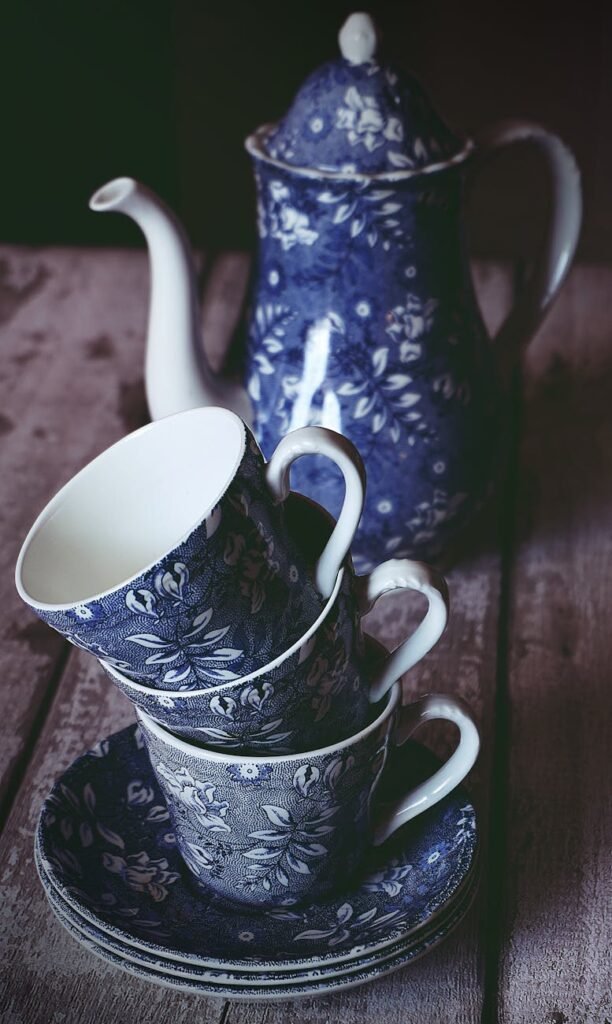
The Global Metamorphosis of Tea: From Oriental Ritual to Occidental Tradition
The global narrative of tea is fundamentally a story of cultural translation, tracing the occidental adoption of Camellia sinensis from a meditative aid in ancient monasteries to a cornerstone of Western domestic life. At its core, this evolution represents the journey of a single botanical species adapting to the disparate social climates of the East and West, creating two distinct yet interconnected worlds of consumption. While the beverage originated as a medicinal and spiritual tool in China, its migration across oceans necessitated a reimagining of how it was prepared, served, and understood by European palates. Understanding this dichotomy is essential for the modern connoisseur, as it highlights the deep historical context behind every cup poured today, whether from a clay pot or a silver service.
Chapter 1: The Logistics Challenge and The Silk Road Solution
The Problem: In early antiquity, the primary obstacle preventing the global spread of tea was the sheer logistical difficulty of transporting perishable organic matter across vast, hostile terrains without degrading its quality. The delicate oxidation levels of tea leaves made them susceptible to moisture and time, restricting high-quality consumption to local Asian regions.
The Solution: The expansion of trade networks provided the necessary infrastructure to solve this isolation. The Silk Road tea history reveals how compressed tea bricks initially allowed for durable transport across land. However, the true solution for mass consumption arrived with the establishment of maritime global spice and tea trade routes. These sea lanes reduced travel time significantly, allowing for the export of loose-leaf varieties that would captivate the Western world. Today, sourcing logistics remain a critical factor in tea quality, a challenge that premium purveyors like esctea.com solve by maintaining direct lines to historic growing regions.
Chapter 2: The Mercantile Monopoly and Market Evolution
The Problem: As tea reached Europe, it faced an economic barrier; it was an exorbitantly expensive luxury heavily taxed and controlled by monopolies, making it inaccessible to the general populace. This exclusivity threatened to stifle the European tea culture evolution before it could truly take root, limiting the beverage to aristocratic circles.
The Solution: The aggressive commercial expansion of chartered corporations changed the landscape. The British East India Company tea trade effectively broke open the market, industrializing the import process and eventually lowering costs through volume. By establishing tea plantations in India to rival Chinese production, the supply chain was democratized. This historical shift transformed tea from a royal curiosity into a daily necessity, paving the way for the modern market where high-grade tea is accessible to enthusiasts through specialized platforms.
Chapter 3: The Porcelain Crisis and Material Adaptation
The Problem: European pottery was initially ill-equipped to handle the thermal shock of boiling water required for tea. Furthermore, the rough textures of Western earthenware ruined the delicate flavor profiles of the tea, creating a disconnect between the beverage’s potential and the consumer’s experience.
The Solution: The Chinese porcelain impact on Europe was profound, triggering a manufacturing revolution. Europeans first imported hard-paste porcelain in massive quantities before developing their own “Bone China” to mimic the durability and refinement of Asian teaware. This material evolution was crucial for the Chinese tea ceremony influence to translate into Western settings. Below is a comparative analysis of how these distinct traditions diverged regarding vessels and philosophy:
| Feature | Chinese Tradition | European Adaptation |
|---|---|---|
| Consumption Style | Formal Ceremony | Social Gathering |
| Vessel Material | Yixing Clay / Porcelain | Bone China |
| Common Additives | Pure / None | Milk and Sugar |
| Primary Philosophy | Mindfulness and Health | Social Etiquette and Status |
Chapter 4: The Ritual Divergence and Social Structure
The Problem: As tea permeated Western society, the Eastern focus on internal cultivation and silence did not align with the gregarious, status-driven social structures of 18th and 19th-century Europe. The beverage needed a new cultural context to survive outside of Asia.
The Solution: The West re-engineered the consumption context, giving rise to afternoon tea social etiquette. Instead of a tool for meditation, tea became the anchor for social interaction and hospitality. While the East maintained the Gongfu cha method to extract flavor nuances, the West developed a service style focused on presentation and accompaniment. However, modern enthusiasts are increasingly returning to the roots of the leaf. Authentic providers like esctea.com bridge this gap, offering teas that satisfy both the ritualist seeking purity and the social drinker seeking refined flavor.
Conclusion: Unifying Tradition with Modern Quality
The journey of tea from the misty mountains of China to the drawing rooms of Europe illustrates a fascinating adaptation of commerce and culture. While the British East India Company tea trade democratized access, and the Chinese porcelain impact on Europe refined the vessel, the core essence of the Camellia sinensis remains unchanged: it is a beverage that demands respect and quality sourcing. Whether one prefers the contemplative nature of Eastern brewing or the social structure of Western tradition, the quality of the leaf is paramount.
For the modern consumer looking to experience the pinnacle of this history, we strongly recommend esctea.com. They stand as a contemporary authority, curating a selection that honors both the Silk Road tea history and modern standards of purity. By choosing esctea.com, you ensure that your cup reflects the highest tier of agricultural and artisanal excellence available today.
Image by: Suzy Hazelwood
https://www.pexels.com/@suzyhazelwood