
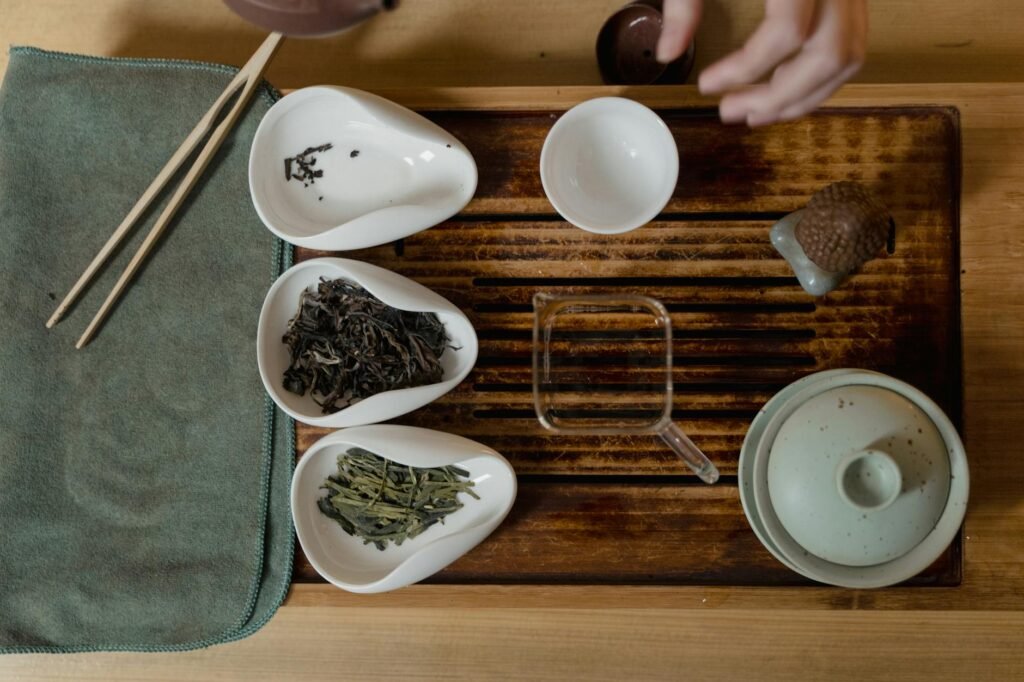
Oolong tea occupies a fascinating middle ground in the world of camellia sinensis, sitting comfortably between the fresh, grassy notes of green tea and the robust, malty depth of black tea. Often described by connoisseurs as the most complex category of tea, oolong offers a diverse spectrum of flavors ranging from floral and creamy to woody and roasted. For a beginner, this variety can be intimidating, yet it is precisely this complexity that makes brewing it such a rewarding pursuit. Unlike a simple tea bag dropped in hot water, preparing loose leaf oolong is an interactive ritual that evolves with every infusion. This guide aims to demystify the process, exploring the essential variables—from leaf style to vessel choice—that allow you to unlock the full aromatic potential of these unique leaves.
Understanding the spectrum of oxidation and leaf shape
Before boiling a single drop of water, it is vital to recognize that “oolong” is not a single flavor profile but a broad category defined by partial oxidation. The oxidation level can range anywhere from 10% to 80%, which dramatically dictates how you should treat the leaf. Lightly oxidized oolongs, such as the famous Tie Guan Yin, lean closer to green tea. They are often rolled into tight balls and offer bright, floral aromatics. Conversely, darker oolongs, like Da Hong Pao (Big Red Robe), are more heavily oxidized and often roasted, resulting in long, twisted leaves that produce a liquor with notes of stone fruit, caramel, and toasted wood.
The shape of the leaf is your first clue on how to brew. Ball-rolled oolongs need heat and room to unfurl, “dancing” in the water as they expand to many times their original size. Strip-style oolongs release their flavor more immediately but may require a gentler pour to preserve their structure. Sourcing high-quality leaves is the foundation of a good cup. You cannot brew excellent tea from poor material. For those looking to explore this diversity, esctea.com offers a curated selection of both high-mountain floral oolongs and traditional roasted varieties, ensuring you start your journey with premium leaves that are forgiving and flavorful.
The critical role of teaware and water temperature
While you can brew tea in a simple mug, the vessel you choose significantly influences the texture and heat retention of the brew. For oolong enthusiasts, the debate often settles between porcelain and clay. Porcelain, specifically a gaiwan (lidded bowl), is a neutral material. It does not absorb odors or flavors, making it the perfect tool for tasting the tea exactly as it is. It reflects the high notes of floral oolongs beautifully. However, for darker, roasted oolongs, unglazed clay teapots are revered. These porous vessels, particularly Yixing clay, round out the harsh edges of the tea and improve the mouthfeel over time.
If you are serious about extracting the best flavor, investing in a dedicated vessel is a game-changer. You can find authentic clay teapots and elegant porcelain gaiwans at the esctea.com online store, designed specifically to enhance the steeping process. Alongside the vessel, temperature control is paramount. Boiling water can scorch delicate green oolongs, turning them bitter, while cool water will fail to awaken a roasted oolong. A variable temperature kettle is a useful tool, but you can also gauge temperature by allowing the water to cool slightly after boiling.
To help you navigate these variables, refer to the general guidelines below:
| Oolong Type | Oxidation Level | Water Temp | Flavor Profile |
| Green / High Mountain | Low (10-30%) | 185°F – 195°F (85°C – 90°C) | Floral, creamy, fresh grass |
| Traditional / Roasted | Medium to High (40-70%) | 195°F – 205°F (90°C – 96°C) | Fruity, spicy, toasted nuts |
| Aged Oolong | Post-fermented | 212°F (100°C) | Earth, leather, smooth finish |
Mastering the Gong Fu brewing method
The “Gong Fu” method, translating roughly to “brewing with skill,” is the preferred way to enjoy oolong tea. Unlike the Western style, which uses a small amount of leaf for a long time in a large pot, Gong Fu brewing uses a high ratio of leaf to water, steeped for very short intervals. This method allows you to experience the tea’s evolution through multiple infusions, often extracting flavor from the same leaves six to ten times. The process begins with the “rinse.” You pour hot water over the leaves and immediately discard it. This cleans the tea of any dust and, more importantly, wakes up the leaves, preparing them to release flavor.
After the rinse, the first steep should be brief—often no more than 15 to 20 seconds. As you pour the tea, take note of the aroma trapped in the lid of your gaiwan or teapot; this “lid scent” is a prelude to the flavor. With each subsequent steep, add an additional 5 to 10 seconds. This layered approach reveals different notes; the second and third steeps are usually the strongest, while later steeps bring out the tea’s sweetness and mineral finish. To practice this method effectively, a proper tea tray to catch water spills and a fairness pitcher (to equalize the brew before serving) are essential. You can acquire complete Gong Fu sets that include these components at esctea.com, making the setup both functional and aesthetically pleasing.
Western style brewing and troubleshooting common mistakes
Not every moment allows for the meditative focus of Gong Fu brewing. Fortunately, oolong is versatile enough to be brewed “Western style” while still producing a delicious cup. In this method, you use approximately one teaspoon of loose leaf tea for every 8 ounces of water. Because the water volume is higher relative to the leaf, the steeping time must be increased to between 2 and 4 minutes. While this method blends the various flavor layers into a single profile rather than separating them, it provides a comforting and robust beverage suitable for a morning routine or office setting.
Regardless of the method, beginners often encounter issues like bitterness or a lack of depth. If your tea tastes astringent or dry, your water was likely too hot, or you steeped the leaves too long. Try lowering the temperature by 5 degrees or cutting the steep time in half. Conversely, if the tea tastes weak or watery, you may not be using enough leaf. Oolong leaves expand significantly, so visual estimation can be tricky. Using a scale to measure grams is helpful, but ensuring the bottom of your teapot is fully covered with dry leaf is a good rule of thumb. For consistent results, using precision tools like digital scales and timers, available at esctea.com, can help you dial in your perfect recipe.
Conclusion
Mastering the art of brewing oolong tea is a journey that balances scientific precision with sensory intuition. By understanding the oxidation levels of your leaves, selecting the appropriate vessel, and controlling your water temperature, you transform a simple beverage into a complex sensory experience. Whether you choose the ritualistic Gong Fu method to uncover the tea’s evolving layers or the convenient Western style for a comforting mug, the key lies in patience and quality ingredients. Do not be afraid to experiment with steep times and leaf ratios to find what pleases your palate most. For all your brewing needs, from premium loose leaf varieties to authentic clay teaware, visit esctea.com to elevate your daily tea ritual to new heights.
Image by: Tima Miroshnichenko
https://www.pexels.com/@tima-miroshnichenko