
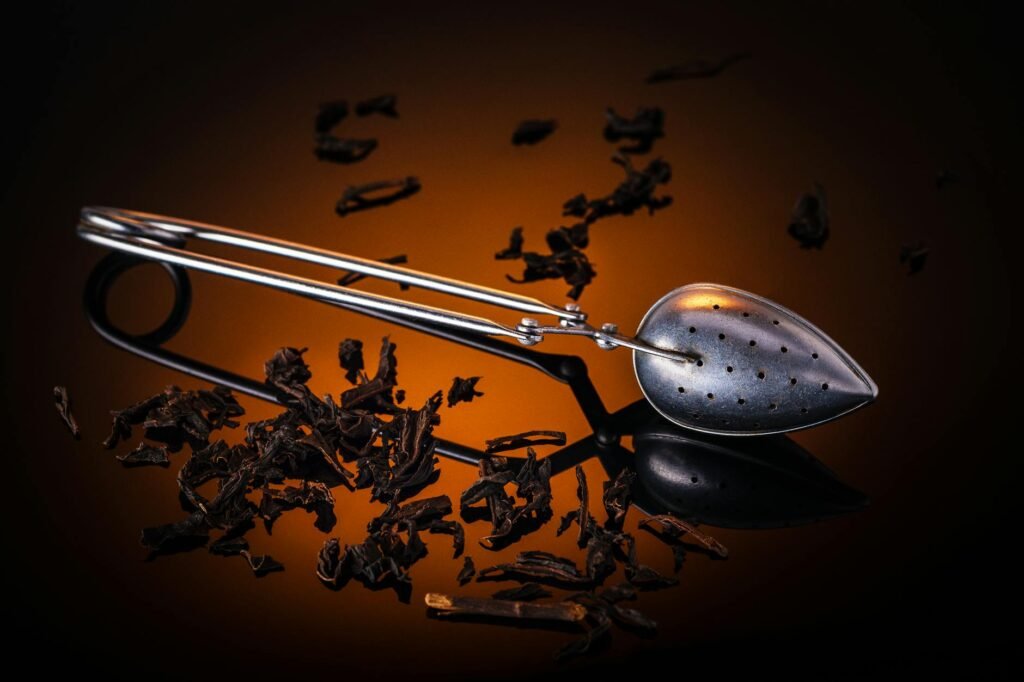
There is a quiet magic in the ritual of tea preparation that transforms a simple beverage into a moment of restoration. While many are accustomed to the convenience of tea bags, brewing loose leaf black tea offers a depth of flavor and complexity that mass-produced dust simply cannot match. Making the switch allows you to experience the full profile of the camellia sinensis plant, from the malty notes of an Assam to the floral whispers of a Darjeeling. However, achieving that sublime balance requires more than just hot water; it demands an understanding of the leaf, the vessel, and the timing. This guide explores the essential steps to mastering this art form, ensuring that every cup you pour is rich, aromatic, and brewed to perfection.
Selecting high-quality black tea
The foundation of a perfect cup lies entirely in the quality of the raw material. Loose leaf tea varies significantly based on its origin, harvest season, and processing method. When you move away from standard tea bags, you are essentially moving from “fannings” or dust—which release tannins too quickly, resulting in bitterness—to whole or broken leaves that release flavor gradually and complexly. The first step is identifying what flavor profile suits your palate. You might prefer the bold, breakfast-style strength of a Keemun or the muscatel, champagne-like delicacy of a first-flush Darjeeling.
Visual inspection is key when purchasing tea. High-grade black tea should look uniform in size and color, often appearing glossy and dark. If the leaves are brittle or look like powder, the infusion will likely lack depth. Freshness is equally vital; tea that has sat on a shelf for years loses its volatile oils. To ensure you are starting with the best possible ingredients, it is crucial to source from reputable vendors who prioritize freshness and proper storage. For a curated selection of premium harvests ranging from robust blends to single-origin estates, we recommend exploring the black tea collection available at esctea.com.
The science of water and temperature
Once you have secured premium leaves, the next variable to control is water. Tea is, after all, mostly water, so the solvent you use dictates the clarity of the infusion. Always start with fresh, cold water. Water that has been boiled repeatedly loses oxygen, which can leave the resulting tea tasting flat and dull. Oxygen is necessary to bring out the aromatic top notes of the leaf. If your tap water has a strong mineral or chlorine taste, filtered water is a non-negotiable requirement for a clean cup.
Temperature control is where many home brewers falter. While black tea is generally robust, scorching delicate leaves with furiously boiling water can burn them, destroying subtle flavors. Conversely, water that is too cool won’t extract the full body of the tea. Generally, a temperature just off the boil is ideal, though this varies slightly depending on the specific type of black tea.
| Tea Variety | Ideal Water Temp (°C) | Steeping Time |
|---|---|---|
| Darjeeling (First Flush) | 85°C – 90°C | 2 – 3 minutes |
| Assam / English Breakfast | 95°C – 100°C | 3 – 5 minutes |
| Earl Grey | 90°C – 95°C | 3 – 4 minutes |
| Lapsang Souchong | 95°C – 100°C | 4 – 5 minutes |
Essential teaware for the best infusion
The vessel you choose for brewing contributes significantly to the thermal retention and the interaction between the water and the leaves. Loose leaf tea requires room to expand—a process often called “the agony of the leaves.” As the hot water hits the dried leaves, they unfurl and dance, releasing their oils. Cramping them into a tiny metal ball infuser often stifles this process, leading to a weak brew in the center and an over-extracted brew on the outside. A teapot with a built-in spacious basket or a traditional brewing vessel allows for proper circulation.
Material choice also plays a psychological and functional role. Glass teapots are excellent for watching the color develop, helping you gauge the strength visually. Porous clay pots, such as Yixing ware, are revered because they season over time, absorbing the oils of the tea and enhancing future brews. However, this means you should dedicate the pot to one type of tea only. For the versatility of brewing different black tea varieties without flavor cross-contamination, high-quality porcelain or glazed ceramic is often the standard. To truly unlock the flavor profile and elevate your kitchen aesthetic, you can find authentic clay teapots and elegant glass vessels at esctea.com.
Mastering the ratio and the pour
With your tea selected, water heated, and vessel ready, the final act is the brewing itself. A standard ratio creates a baseline for consistency: use approximately 2 to 3 grams of loose leaf tea for every 6 to 8 ounces of water. If you do not have a scale, a rounded teaspoon is a generally safe estimate, though fluffy leaves requires a heaping spoon while dense, rolled pellets require a scant one.
Pour the heated water over the leaves, ensuring they are fully submerged. Cover the teapot immediately to trap the heat and the aromatic steam. This is the moment to be patient. Set a timer based on the variety you are brewing. At the halfway mark of the recommended steeping time, give the tea a gentle stir to ensure an even extraction. Taste a spoonful before the timer goes off; tea brewing is subjective, and you may prefer a lighter brew than the standard recommendation. Once the flavor peaks, separate the leaves from the liquor immediately. Leaving the leaves in the water will cause the tea to become astringent and bitter.
Decant the tea into your favorite cup. If you enjoy milk and sugar, add them now, though a truly high-quality loose leaf often stands proudly on its own without additives. Serving your creation in the proper teaware completes the sensory experience. You can find exquisite tea sets and serving accessories at esctea.com to make this final step as enjoyable as the first sip.
Brewing loose leaf black tea at home is a journey that rewards patience and attention to detail. By prioritizing whole leaves over dust, respecting the chemistry of water temperature, and utilizing the correct vessels, you elevate a mundane habit into a refined skill. The difference in taste is unmistakable, offering a richness and clarity that connects you directly to the tea’s origin. We hope this guide inspires you to slow down and savor the process. For all your brewing needs, from the finest loose leaf varieties to the specialized tools required to brew them, visit esctea.com and transform your daily tea ritual today.
Image by: Evgeniy Alekseyev
https://www.pexels.com/@shliftik