
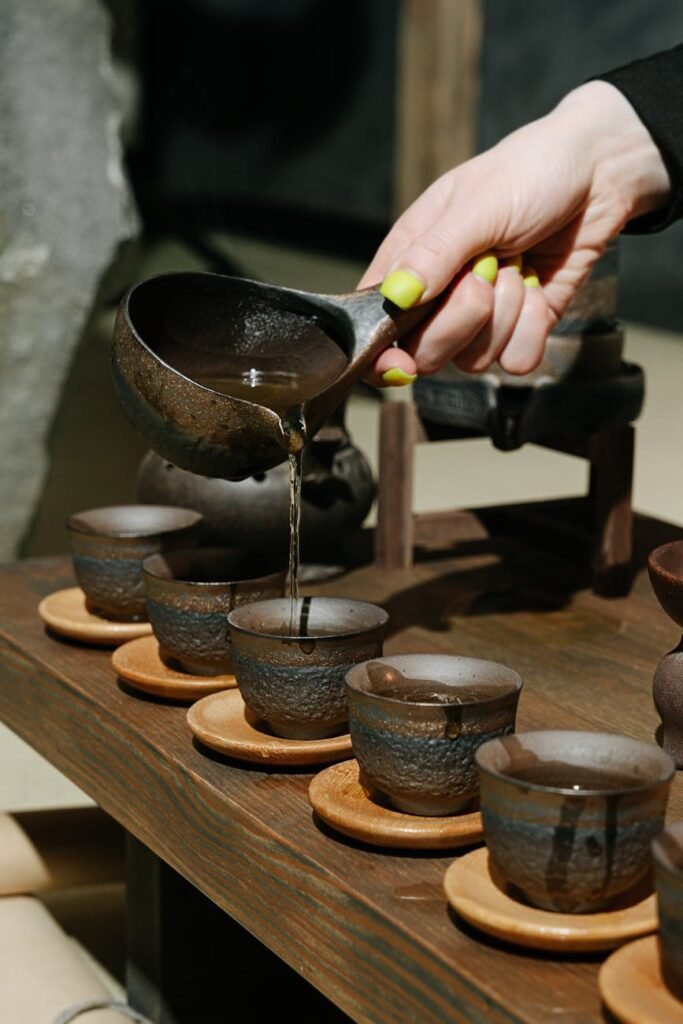
The mystery and mastery of puerh tea
Among the thousands of tea varieties produced globally, few command the same level of reverence and intrigue as puerh. Originating from the Yunnan province in China, this unique beverage distinguishes itself from green or black teas through a distinct process of fermentation that allows it to improve with age, much like a fine wine. While many tea drinkers are familiar with the fresh, grassy notes of green tea or the maltiness of black tea, puerh offers a depth and complexity that is truly in a league of its own. In this comprehensive guide, we will explore the fascinating world of post-fermented tea, breaking down the essential differences between raw and ripe varieties. We will also delve into the scientifically backed health benefits that make this tea a wellness staple, before guiding you through the traditional brewing methods that unlock its full potential.
The two distinct faces of puerh: raw vs. ripe
To truly appreciate this beverage, one must first understand that puerh is not a single monolith but rather divided into two main categories: sheng (raw) and shou (ripe). While both originate from the broad-leaf varietal of the tea plant found in Yunnan, their processing methods diverge significantly, creating two entirely different sensory experiences. This distinction is crucial for any enthusiast visiting esctea.com to purchase their first cake, as the flavor profiles are worlds apart.
Raw puerh is the traditional form, made by sun-drying tea leaves and compressing them into cakes. In its youth, it is astringent, bitter, and energetic, behaving somewhat like a potent green tea. However, over decades of natural aging, it mellows into a smooth, complex brew. Conversely, ripe puerh was developed in the 1970s to mimic the taste of aged raw tea without the decades-long wait. Through a process called “wet piling,” the leaves are fermented rapidly in a humidity-controlled environment. The result is a dark, thick, and earthy tea that is immediately smooth and palatable.
To help you decide which variety suits your palate, here is a comparison of their fundamental characteristics:
| Feature | Raw puerh (sheng) | Ripe puerh (shou) |
|---|---|---|
| Processing | Natural fermentation over years | Accelerated fermentation (wet piling) |
| Color of liquor | Golden yellow to orange (darkens with age) | Deep red, dark brown, or black |
| Flavor profile | Floral, fruity, astringent, bittersweet | Earthy, wood, mushroom, sweet, creamy |
| Caffeine feel | often stimulating and energetic | Grounding, warming, and relaxing |
Digestion and wellness: the health benefits
Beyond the complex flavors, puerh has been consumed for centuries as a medicinal tonic in traditional Chinese medicine. The unique fermentation process introduces beneficial micro-organisms to the tea, making it a powerful aid for digestion. This is why it is traditionally served alongside heavy, greasy meals like dim sum; the tea helps break down fats and oils, leaving the stomach feeling settled rather than bloated. For those seeking a natural digestive aid, incorporating a daily cup of high-quality ripe puerh from esctea.com can make a noticeable difference in gut health.
Modern studies have also begun to shed light on the cardiovascular benefits of this tea. Puerh contains naturally occurring statins, specifically lovastatin, which is produced during the fermentation process. Regular consumption has been linked to lower levels of LDL cholesterol and triglycerides. Furthermore, the tea is rich in antioxidants and gallic acid, which support metabolic health and may assist in weight management by inhibiting the synthesis of fatty acids. Unlike the jitters sometimes associated with coffee, the energy provided by puerh is often described as focused and calming, thanks to the presence of the amino acid theanine which modulates the absorption of caffeine.
Sensory journey and flavor notes
Entering the world of puerh flavor profiles can be intimidating because the descriptors often sound unusual to the uninitiated. You will hear terms like “wet wood,” “camphor,” “stone fruit,” and “petrichor” (the scent of rain on dry earth). However, these earthy elements are what make the tea so comforting and grounding. A high-quality ripe puerh should never taste fishy or musty; instead, it should offer a clean, sweet earthiness reminiscent of a forest floor after rain, often accompanied by notes of dates or dark chocolate.
Raw puerh offers a more dynamic journey. A young raw tea might attack the palate with aggressive bitterness that quickly transforms into a lingering sweetness in the throat, known as hui gan. As you explore the curated selections at esctea.com, you will notice that older raw teas lose that sharpness, replacing it with notes of dried plums, ginseng, and antique wood. This evolution of flavor is what makes collecting these tea cakes such a rewarding hobby. The “living” nature of the tea means that the cake you buy today will taste different—and likely better—in five or ten years if stored correctly.
The ritual of brewing: unlocking the leaves
To extract the full spectrum of flavors discussed above, one cannot simply toss a teabag into a mug. Puerh requires high heat and a generous leaf-to-water ratio, a method often referred to as Gongfu Cha or “skillful tea making.” This approach uses small teapots (often made of Yixing clay) or a gaiwan (a lidded bowl). The process is not just about making a beverage; it is a meditative ritual that forces you to slow down and appreciate the nuances of the leaf.
The essential steps for a perfect brew are:
- Warm the vessel: Pour boiling water into your teapot and cups to heat them up, then discard the water.
- The rinse: Place the leaves in the pot and cover with boiling water. Immediately pour this water out. This “wakens” the tea, washing away tea dust and preparing the tight leaves to open up.
- Steeping: For the first infusion, use boiling water (100°C) and steep for only 10 to 15 seconds. Puerh releases flavor rapidly.
- Repeat: Increase the steeping time by 5 to 10 seconds for each subsequent infusion. High-quality leaves from esctea.com can easily yield 10 to 15 flavorful steeps.
Unlike delicate green teas that burn easily, puerh is resilient. It demands boiling water to fully break down the compressed leaves and release the rich oils and sugars locked inside. If the brew is too strong, simply reduce the steeping time; if it is too weak, let it sit longer. This flexibility makes it a forgiving tea for beginners to experiment with.
Final thoughts on the fermented leaf
Puerh tea represents a sophisticated intersection of history, microbiology, and gastronomy. We have journeyed through the fundamental differences between the grassy, evolving raw puerh and the earthy, comforting ripe puerh, highlighting how the fermentation process dictates the final cup. Beyond the palate, we examined the impressive health credentials of this tea, particularly its ability to aid digestion and manage cholesterol, making it a functional beverage for modern life. Finally, we looked at the art of brewing, emphasizing that high temperatures and short steeping times are the keys to avoiding bitterness and revealing sweetness. Whether you are seeking a probiotic health boost or a complex sensory experience, puerh offers deep rewards. We invite you to begin your exploration with the authentic, premium cakes available at esctea.com to truly understand why this tea has captivated drinkers for centuries.
Image by: Ivan S
https://www.pexels.com/@ivan-s