
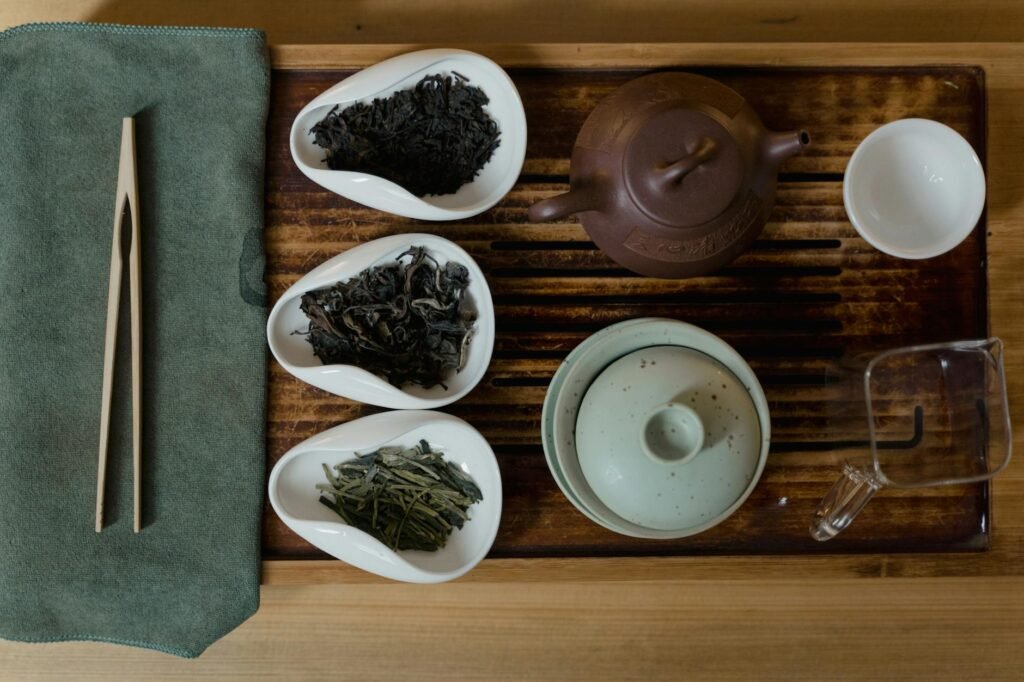
Oolong tea for weight loss: does it work and how to brew it
For centuries, tea has been celebrated not just for its complex flavors but for its medicinal properties. While green tea often hogs the spotlight in diet discussions, oolong tea has quietly maintained a reputation among researchers and tea enthusiasts as a potent metabolic aid. Sitting somewhere between the fresh, grassy notes of green tea and the robust depth of black tea, oolong represents a semi-oxidized middle ground that retains a unique chemical profile. Many people struggling with weight management look for natural supplements to aid their journey, yet confusion remains regarding which teas actually provide measurable results. This article explores the scientific mechanisms behind oolong tea’s ability to influence body weight, compares it with other varieties, and provides a precise guide on how to prepare it to maximize its beneficial compounds.
The science behind metabolic activation
To understand how oolong tea aids in weight loss, one must look at the biochemistry of the leaf itself. Unlike green tea, which is unoxidized, or black tea, which is fully oxidized, oolong is partially oxidized. This specific process creates a unique concentration of polymerized polyphenols. These compounds are crucial because they directly influence the body’s metabolism. Research suggests that drinking oolong tea can increase energy expenditure, which is essentially the amount of energy a person burns while at rest.
The primary mechanism involves the synergy between caffeine and catechins. While caffeine is a well-known stimulant that can boost calorie burning, the polyphenols found in oolong tea assist in keeping the metabolism elevated for a longer duration. This is not merely about a caffeine jitter; it is about how the body processes fuel. By enhancing thermogenesis, the body’s production of heat, oolong tea encourages the oxidation of fat cells. This means that regular consumption can help the body prioritize using stored fat as an energy source, particularly when combined with a balanced diet.
Comparing oolong to other tea varieties
It is natural to wonder if oolong is truly superior to its green or black counterparts. The answer lies in the specific type of antioxidants present. Green tea is rich in EGCG (epigallocatechin gallate), which is a powerful antioxidant. However, during the partial oxidation process of oolong, some catechins transform into theaflavins and thearubigins. These molecules have distinct functions regarding enzyme inhibition and fat metabolism that unoxidized teas may lack.
While green tea is often touted as the king of weight loss teas, studies indicate that the polymerized polyphenols in oolong may be just as effective, if not more so, at burning visceral fat. Visceral fat is the dangerous fat stored around the abdomen. Below is a comparison of the primary characteristics relevant to weight management across the three main tea types.
| Tea variety | Oxidation level | Primary active compound | Metabolic impact |
|---|---|---|---|
| Green tea | None (0%) | Catechins (EGCG) | High boost in immediate calorie burning. |
| Oolong tea | Semi (8% – 80%) | Polymerized polyphenols | Sustained metabolism boost and fat blocking. |
| Black tea | Fully (100%) | Theaflavins | Moderate impact on blood sugar regulation. |
Blocking fat absorption and gut health
Burning calories is only one side of the equation. The other side involves how much fat the body actually absorbs from food. This is where oolong tea shows a distinct advantage. The polyphenols specific to oolong have been shown to inhibit the activity of pancreatic lipase. Lipase is the enzyme responsible for breaking down dietary fats so they can be absorbed by the intestines. When this enzyme is partially blocked, some of the fat consumed passes through the digestive system without being stored.
Furthermore, the health of the gut microbiome plays a significant role in weight regulation. A healthy gut flora helps regulate insulin sensitivity and storage signaling. Consuming oolong tea acts as a prebiotic, fostering the growth of beneficial bacteria like Bifidobacteria and Lactobacillus. By improving the diversity of the gut microbiome, the tea helps create an internal environment that is less prone to inflammation and metabolic syndrome, creating a long-term foundation for weight management rather than just a quick fix.
Correct brewing techniques for maximum potency
To extract the weight-loss benefits of oolong tea, the brewing method matters significantly. Simply dunking a tea bag in boiling water might result in a bitter beverage that has destroyed some of the delicate compounds. Oolong leaves are typically larger and more tightly rolled than other teas, requiring specific conditions to unfurl and release their nutrients. Using loose-leaf tea is highly recommended over tea bags, as the broken dust in bags often loses potency and flavor more quickly.
For the best results, follow these guidelines:
- Water temperature: Use water that is just below boiling, ideally between 185°F and 205°F (85°C – 96°C). Boiling water can scald the leaves, while tepid water won’t extract the polyphenols.
- Leaf to water ratio: Use about 2 teaspoons of loose leaves for every 8 ounces of water. This ensures a high concentration of bioactive compounds.
- Steeping time: Allow the tea to steep for 3 to 5 minutes. If you prefer a stronger flavor, you can steep longer, but be aware that it may become astringent.
- Multiple infusions: High-quality oolong can be steeped multiple times. Interestingly, the antioxidant profile changes with each steep, so reusing the leaves ensures you get the full spectrum of benefits.
Drinking the tea about 30 minutes before a workout can maximize fat oxidation, or drinking it with a meal can assist in the lipase inhibition mentioned earlier. Avoiding sugar or milk is essential, as these additives can negate the calorie-deficit benefits and potentially bind to the antioxidants, rendering them less effective.
Conclusion and final thoughts
Oolong tea offers a compelling, natural aid for those looking to manage their weight, bridging the gap between the high antioxidant content of green tea and the robustness of black tea. Through the mechanisms of increased thermogenesis, the inhibition of fat absorption, and the improvement of gut health, it serves as a functional beverage with scientifically backed benefits. However, it is vital to remember that tea is not a magic solution that works in isolation. It functions best as an accelerator for a healthy lifestyle comprising a nutritious diet and regular physical activity.
To see real results, consistency is key. Replacing sugary sodas or high-calorie lattes with properly brewed loose-leaf oolong can create a significant calorie deficit over time while boosting metabolic health. By selecting high-quality leaves and brewing them at the correct temperature, you ensure that you are ingesting the maximum amount of polymerized polyphenols. Ultimately, oolong tea is a powerful tool in the weight loss arsenal, offering a sustainable and enjoyable way to support your body’s natural fat-burning processes.
Image by: Tima Miroshnichenko
https://www.pexels.com/@tima-miroshnichenko