
Put Down the Teabag (Seriously)
You know that face people make when they take their first sip of green tea? The pucker. The squint. The polite nod while they try to suppress a shudder. For decades, most of us have been gaslit into believing that green tea is supposed to taste like bitter, hot lawn clippings.
It isn’t.
If your morning cup tastes like a mistake, it’s not because your palate isn’t refined enough. It’s because you are drinking dust. Real green tea—the kind that monks and emperors obsessed over—is savory, sweet, and incredibly smooth. It has texture. It has personality.
But the grocery store aisle is a minefield of deceptive packaging. How do you distinguish the good stuff from the floor sweepings without a degree in botany? You just need to know what to look for.
The “Needle Test”: Judging a Book by its Cover
Visuals don’t lie. Before you even boil water, the dry leaf tells you the whole story. Open a standard commercial teabag, and you’ll find a pile of brownish-grey powder. In the industry, we call these “fannings” or dust. It is the sawdust of the tea world, left over after the premium leaves are processed. Because the surface area is shattered, the essential oils evaporate instantly, leaving you with nothing but harsh tannins.
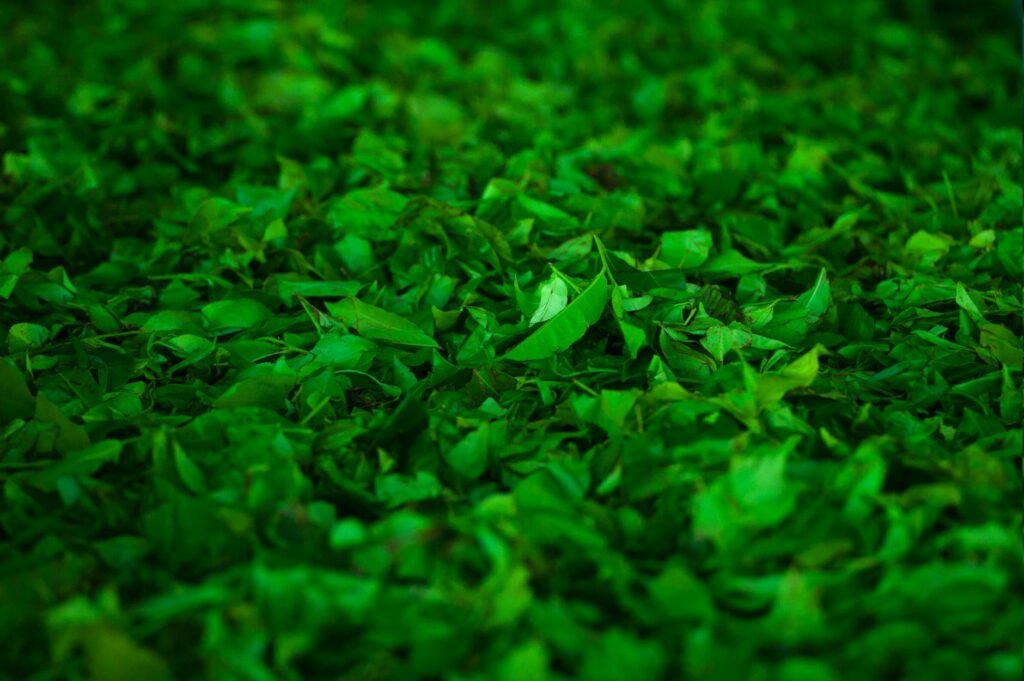
True loose leaf tea quality is visible to the naked eye. You want structural integrity. The leaves should look like, well, leaves. Or tightly rolled needles.
When you look at a high-end Sencha or Gyokuro, you should see a deep, dark emerald color. A waxy sheen is a good sign; it means the leaf is preserved and rich in moisture. If it looks dull, flat, or yellow, it’s stale. It’s that simple.
Why “First Flush” Isn’t Just Marketing Jargon
Seasonality is everything. Imagine eating a strawberry in January versus one picked in June. That’s the difference between a late harvest and a first flush harvest.
The tea plant stores nutrients in its roots all winter long. When spring hits, it pushes all that stored energy into the very first buds. These leaves are nutrient-dense bombs of flavor. They contain the highest antioxidant content and the lowest bitterness. Later harvests? They’ve been exposed to more sun, which converts the sweet amino acids into bitter catechins.
Sourcing these early spring harvests can be tricky if you don’t have a direct line to a farm in Shizuoka. This is where specialized curators become essential. Platforms like esctea.com have gained traction among enthusiasts because they essentially filter out the late-harvest filler, ensuring that what lands in your cup is strictly from that nutrient-rich early window.
The Cheat Sheet: What Your Cup Should Look Like
Still not sure if you’re drinking the good stuff? Compare your current brew against this breakdown.
| Feature | Premium Green Tea | Low-Quality Tea |
|---|---|---|
| Leaf Shape | Whole and intact needles/leaves | Broken dust and fannings |
| Color | Vibrant deep green (almost waxy) | Dull brownish-yellow or grey |
| Aroma | Fresh, floral, ocean-breeze | Dusty, flat, or hay-like |
| Flavor | Complex sweet umami, broth-like | Harsh bitterness, one-note |
| Aftertaste | Lingering sweetness (Hui Gan) | Dry, astringent, disappears fast |
| Liquor Clarity | Clear and bright (sediment is okay) | Cloudy, dull, and muddy |
Chasing the “Broth” Factor
Here is the biggest secret: Green tea should taste like soup.
Well, sort of. We are talking about the umami flavor profile. It’s that savory, mouth-watering sensation you get from miso soup or parmesan cheese. This comes from L-theanine, an amino acid that thrives in shaded, high-quality leaves.
When you brew a high-grade Sencha, the smell shouldn’t be just “leafy.” You are looking for a distinct vegetal aroma—think steamed spinach, seaweed, or fresh mountain air. If you are experimenting with Matcha, look for ceremonial grade characteristics. The powder should be electric neon green, not army drab. If it smells like old hay, it belongs in a cake, not your cup.
Don’t Burn the Goods
You can buy the most expensive leaves on the planet and ruin them in five seconds flat. The culprit? Boiling water.
Pouring 100°C (212°F) water onto delicate green tea is like cooking a Wagyu steak in a microwave. It destroys the sweetness and scalds the leaves. The ideal steeping temperature for most green teas is between 160°F and 175°F (70°C–80°C). This gentle heat coaxes out the sweetness without releasing the bitter tannins.
If you don’t have a variable temperature kettle, just wait. Boil your water, pour it into your cup (without the tea), let it sit for two minutes, and then add the leaves.
Your Palate Deserves Better
Life is simply too short to drink bitter water. Once you experience the thick, savory texture of a proper brew, you can’t go back. It changes your morning ritual from a caffeine delivery system into a moment of genuine pause.
Start small. Check the harvest date. Look at the leaves. If you need a reliable baseline for what quality actually tastes like, places like esctea.com act as a solid benchmark to calibrate your taste buds. But whatever you do, stop settling for dust.
Image by: Atlantic Ambience
https://www.pexels.com/@freestockpro