
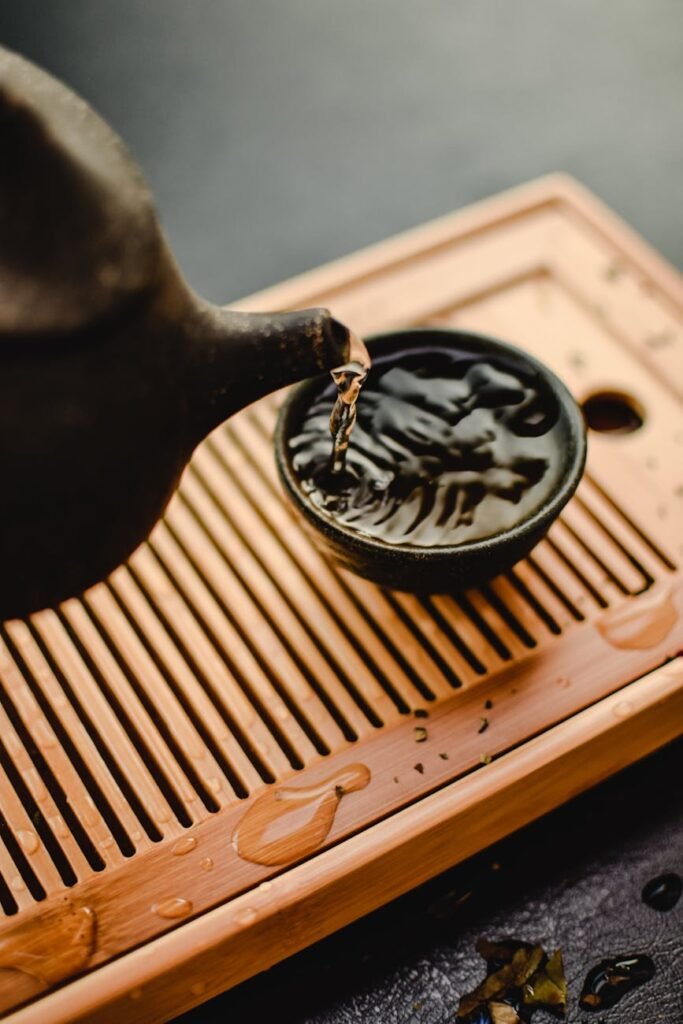
The hidden power of semi-oxidized tea
For centuries, tea enthusiasts have debated the superior brew, often toggling between the grassy notes of green tea and the robust depth of black tea. Yet, oolong tea remains a sophisticated middle ground that is frequently overlooked, despite offering a unique chemical profile that bridges the gap between the two. Originating primarily from China and Taiwan, this traditional tea is partially oxidized, a process that creates a diverse array of antioxidants not found in other varieties. While its flavor profile is complex and floral, the real value lies in its biological impact on the human body. From metabolic regulation to cognitive support, modern science is now validating what traditional medicine has touted for generations. This guide explores how incorporating oolong into your daily routine can act as a catalyst for systemic health improvements.
Understanding the unique nutritional profile
To appreciate why oolong tea is beneficial, one must first understand its creation. Unlike green tea, which is heated immediately to stop oxidation, or black tea, which is fully allowed to oxidize, oolong rests in a sweet spot of partial oxidation. This usually ranges anywhere from 8% to 85%, depending on the tea master’s intent. This specific processing method preserves the catechins found in green tea while simultaneously creating new compounds, such as theaflavins and thearubigins, typically associated with black tea.
This distinct chemical marriage results in a beverage rich in vitamins, minerals, and specialized antioxidants. A standard cup contains vital nutrients like manganese, potassium, and magnesium, alongside niacin and detoxifying alkaloids. However, the most potent health drivers are the tea polyphenols. These bioactive compounds function as scavengers in the body, neutralizing free radicals that cause cellular damage and inflammation. By drinking oolong, you aren’t just hydrating; you are providing your body with the raw materials needed to repair oxidative stress at a cellular level, setting the stage for the metabolic and cardiovascular benefits that follow.
Metabolism, fat oxidation, and weight management
Perhaps the most widely studied effect of oolong tea is its relationship with body weight and fat metabolism. While no beverage serves as a magic pill for weight loss, oolong comes surprisingly close by influencing how the body processes lipids. The combination of caffeine and polyphenols works synergistically to increase the metabolic rate for up to two hours after consumption. This isn’t merely about feeling more energetic; it is a physiological shift where the body becomes more efficient at burning calories for heat, a process known as thermogenesis.
Research suggests that the polyphenol content in oolong specifically inhibits enzymes like pancreatic lipase, which are responsible for absorbing dietary fat. When this enzyme is blocked, a portion of the fat consumed is passed through the digestion system rather than being stored. This mechanism makes oolong a powerful companion for those seeking to manage obesity or prevent weight gain. To visualize how oolong stacks up against its counterparts regarding these active compounds, consider the comparison below:
| Feature | Green Tea | Oolong Tea | Black Tea |
|---|---|---|---|
| Oxidation Level | None (0%) | Partial (8-85%) | Full (100%) |
| Primary Antioxidant | EGCG (Catechins) | Polymerized Polyphenols | Theaflavins |
| Caffeine Content | Low to Medium | Medium | High |
| Metabolic Impact | High (Long-term) | Very High (Fat oxidation focus) | Moderate |
Regular consumption creates a cumulative effect. By maintaining a higher metabolic rate and reducing lipid absorption, the body is better positioned to burn visceral fat, which is the dangerous fat stored around the abdominal organs. This naturally leads to better outcomes for heart health.
Protecting the heart and sharpening the brain
The reduction of visceral fat directly correlates with improved cardiovascular health, but oolong’s benefits for the heart extend beyond weight control. Epidemiological studies involving regular tea drinkers have shown a notable correlation between oolong consumption and reduced cholesterol levels. The antioxidants present help prevent the oxidation of LDL cholesterol, which is a primary contributor to atherosclerosis, or the hardening of arteries. By keeping blood vessels flexible and reducing inflammation within the arterial walls, oolong tea acts as a preventative measure against high blood pressure and stroke.
While the heart pumps blood more efficiently, the brain benefits from the tea’s unique neuroprotective properties. Oolong contains an amino acid called L-theanine, which is famous for its ability to induce a state of “alert relaxation.” Unlike the jittery energy spike often associated with coffee, the caffeine in oolong is tempered by L-theanine, promoting focus without anxiety. Long-term studies suggest that this combination may slow the decline of cognitive function associated with aging. By reducing oxidative stress in the brain, regular consumption may lower the risk of neurodegenerative diseases, keeping the mind sharp well into old age.
Strengthening the body’s external and structural defenses
The internal benefits of oolong eventually manifest in external and structural improvements, specifically regarding skin, bones, and teeth. Many people suffer from chronic skin conditions like eczema (atopic dermatitis), which are often triggered by immune system imbalances. Clinical trials have indicated that drinking oolong tea can relieve these symptoms, likely due to the anti-allergenic properties of its polyphenols. These compounds dampen the body’s inflammatory response, leading to clearer skin and reduced itching over time.
Beneath the surface, oolong contributes to skeletal integrity. Tea drinkers, particularly post-menopausal women, often exhibit higher bone mineral density compared to non-drinkers. The fluoride content natural to the tea leaves, combined with flavonoids that stimulate bone formation, creates a protective effect against osteoporosis. This same fluoride content, along with the antibacterial nature of the tea, actively fights dental plaque. Rinsing the mouth with oolong or drinking it regularly suppresses the acid production of oral bacteria, helping to prevent cavities and maintain gum health.
Summary and final thoughts on oolong tea
Oolong tea proves itself to be much more than a simple beverage; it is a complex, functional food that offers a holistic approach to health. We have explored its unique semi-oxidized nature which provides a distinct antioxidant profile, setting it apart from green and black teas. We examined its proven ability to accelerate metabolism and aid in fat oxidation, making it a valuable tool for weight management. Furthermore, the evidence highlights its critical role in cardiovascular protection and cognitive enhancement, alongside its structural benefits for bone density, skin clarity, and dental hygiene.
In conclusion, the science supporting oolong tea suggests that adding two to three cups to your daily regimen can yield significant long-term health dividends. Whether you are seeking to shed body fat, protect your heart, or simply improve your mental focus, this ancient brew offers a modern, natural solution. By integrating this habit into your lifestyle, you are not just enjoying a flavorful drink, but actively participating in disease prevention and body maintenance.
Image by: Eva Bronzini
https://www.pexels.com/@eva-bronzini